
Vitamin C, also known as ascorbic acid, is one of the most important water soluble daily essential nutrient required for overall health and immunity. It plays a vital role in protecting the body from infections, increase skin health, improving iron absorption and acting as a powerful antioxidant.
Unlike some animals, the human body cannot produce Vitamin C on its own, which means we must consume it daily through food or supplements. A deficiency of Vitamin C can lead to serious health problems, including weakened immunity and scurvy.
Table of Contents
What is Vitamin C?
| Feature | Details |
|---|---|
| Chemical Name | Ascorbic Acid |
| Type | Water soluble vitamin |
| Storage | Not stored in body |
| Daily Intake | Needed every day |
| Heat Sensitive | Yes |
Sources of Vitamin C
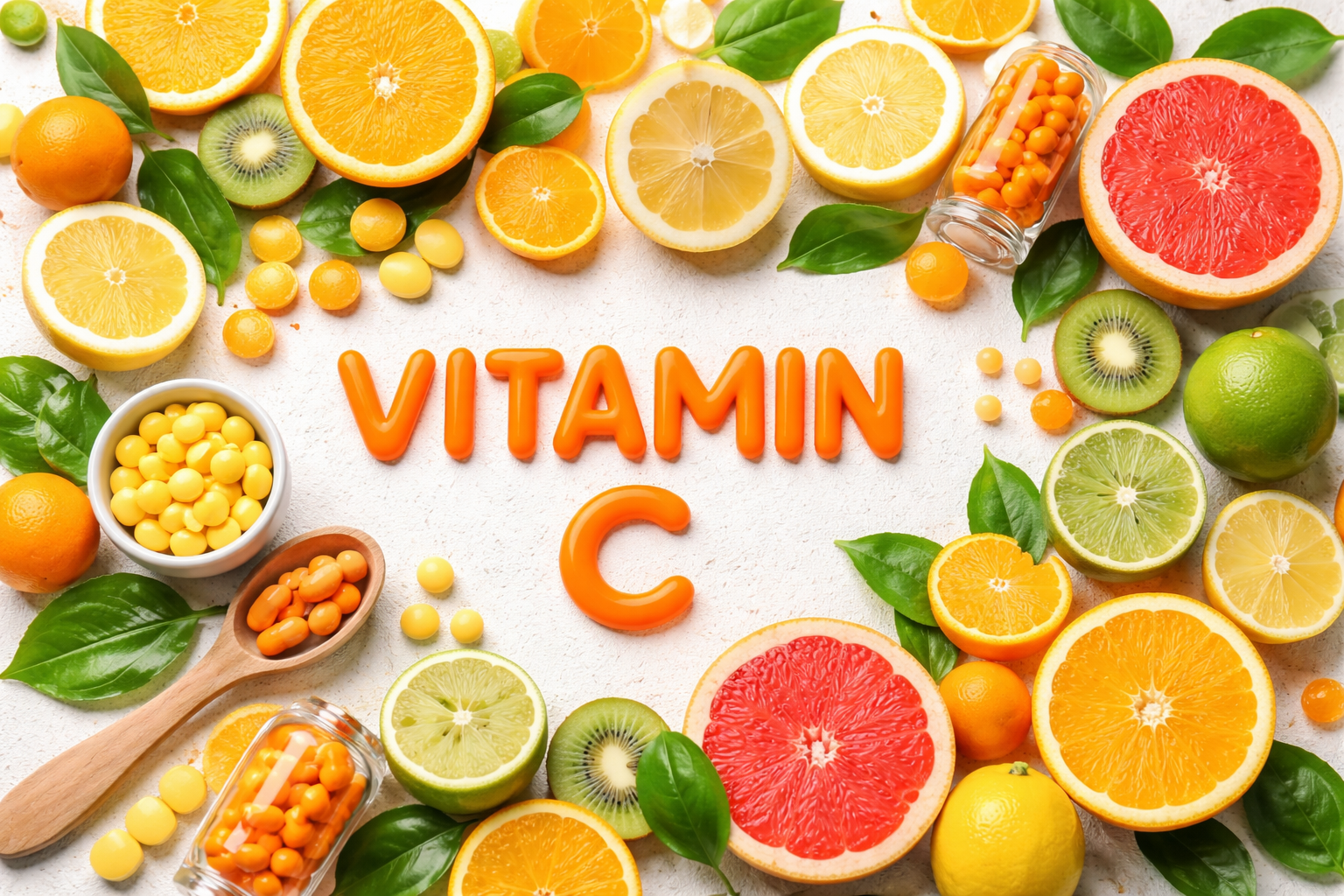
Vitamin C is naturally present in many fruits and vegetables, especially fresh and raw ones.
Best Natural Food Sources of Vitamin C
| Food Item | Vitamin C (mg per 100g) |
|---|---|
| Amla (Indian Gooseberry) | 252 mg |
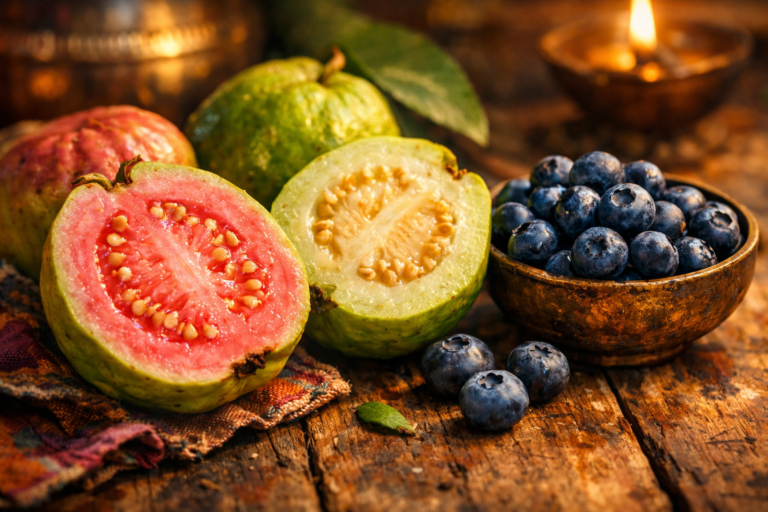
| Guava | 228 mg |
| Red Bell Pepper | 190 mg |
| Kiwi | 93 mg |
| Orange | 53 mg |
| Lemon | 53 mg |
| Papaya | 61 mg |
| Strawberry | 59 mg |
| Broccoli | 89 mg |
| Spinach | 28 mg |
Tips to Preserve Vitamin C in Food
- Eat fruits raw or lightly cooked
- Avoid over-boiling vegetables
- Cut fruits just before eating
- Prefer steaming over frying
Functions of Vitamin C in the Body
Vitamin C supports many critical functions that keep the body healthy and active.
Major Functions
- Helps in collagen formation
- Strengthens the immune system
- Acts as a powerful antioxidant
- Improves iron absorption
- Increases wound healing
- Protects cells from free radical damage
- Maintains healthy skin, hair and gums
Importance and Health Benefits of Vitamin C
Vitamin C is not just an immunity vitamin; it benefits almost every system of the body.
1. Increases Immunity
- Increases white blood cell production
- Reduces severity and duration of infections
- Helpful during cold, flu and seasonal illness
2. Improves Skin Health
- Promotes collagen production
- Reduces wrinkles and fine lines
- Protects skin from sun damage
- Enhances skin glow naturally
3. Increases Heart Health
- Helps reduce blood pressure
- Improves cholesterol levels
- Lowers risk of heart disease
4. Enhances Iron Absorption
- Especially important for vegetarians
- Prevents iron deficiency anemia
5. A Powerful Antioxidant
- Fights oxidative stress
- Slows aging process
- Reduces inflammation
6. Supports Brain Health
- Improves memory and cognitive function
- May reduce risk of neurodegenerative diseases
Daily Recommended Intake of Vitamin C
| Age Group | Daily Requirement |
|---|
| Children (1–8 years) | 15–25 mg |
| Children (9–13 years) | 45 mg |
| Teenagers | 65–75 mg |
| Adult Men | 90 mg |
| Adult Women | 75 mg |
| Pregnant Women | 85 mg |
| Lactating Women | 120 mg |
| Smokers | +35 mg extra |
Vitamin C Deficiency
Vitamin C deficiency occurs when daily intake is consistently low. It is still common in people with poor diet habits, smokers and those under chronic stress.
Common Symptoms of Vitamin C Deficiency
- Frequent infections
- Fatigue and weakness
- Bleeding gums
- Slow wound healing
- Joint pain
- Dry, rough skin
- Hair fall
Severe Deficiency Symptoms: Scurvy
Scurvy is a serious condition caused by prolonged Vitamin C deficiency.
- Swollen and bleeding gums
- Loose teeth
- Anemia
- Poor immunity
- Muscle pain
Vitamin C and Immunity
Vitamin C is widely known as an immunity boosting vitamin. It helps:
- Activate immune cells
- Reduce inflammation
- Protect respiratory health
- Speed up recovery from illness
During seasonal changes, stress, pollution or viral infections, Vitamin C requirements may increase.
Vitamin C Supplements: Are They Necessary?
Most people can meet their Vitamin C needs through a balanced diet. However, supplements may be helpful for:
- Smokers
- Elderly people
- People with poor appetite
- Chronic illness patients
- Athletes
Forms of Vitamin C Supplements
- Ascorbic acid tablets
- Chewable Vitamin C
- Effervescent tablets
- Vitamin C with Zinc
ℹ️ Dietician Tip: Food sources are always better than supplements unless prescribed.
Latest News & Research on Vitamin C
Recent studies highlight new roles of Vitamin C in modern health:
- Immunity Research: Studies show Vitamin C may reduce recovery time in viral infections.
- Skin Health: New dermatology research confirms Vitamin C serum improves pigmentation and collagen synthesis.
- Mental Health: Emerging studies suggest Vitamin C may help reduce stress and anxiety levels.
- Chronic Disease Prevention: Ongoing research links adequate Vitamin C intake with lower risk of lifestyle diseases.
Vitamin C continues to be one of the most researched nutrients globally due to its wide ranging health benefits.
Side Effects of Excess Vitamin C
Although Vitamin C is water soluble, excessive intake from supplements may cause:
- Stomach upset
- Diarrhea
- Nausea
- Kidney stones (rare)
🧷Safe Upper Limit: 2000 mg/day for adults
Best Time to Take Vitamin C
- Morning or afternoon
- With meals for better absorption
- Avoid taking very high doses at night
Dietician’s Practical Tips to Increase Vitamin C Intake
- Start your day with lemon water 🍋
- Add raw vegetables to salads
- Eat seasonal fruits daily
- Avoid long storage of fruits
- Prefer fresh juices over packaged ones
Conclusion
Vitamin C is a vital daily essential nutrient that increases immunity, skin health, heart health and overall health. Since the body cannot store it, regular intake through fruits and vegetables is essential. Including Vitamin C rich foods in your daily diet is one of the simplest and most effective ways to stay healthy naturally.
Vitamin C FAQ
Vitamin C, also known as ascorbic acid, is a water soluble vitamin that helps boost immunity, improve skin health, support wound healing and protect the body from infections. It also acts as a powerful antioxidant and helps the body absorb iron from plant based foods.
Vitamin C is mainly found in fruits and vegetables. Some of the best sources include oranges, lemons, amla (Indian gooseberry), guava, kiwi, strawberries, papaya, bell peppers, broccoli and tomatoes. Fresh and raw foods provide the highest Vitamin C content.
Vitamin C deficiency can cause symptoms such as frequent infections, fatigue, bleeding gums, slow wound healing, dry skin and joint pain. Severe deficiency may lead to scurvy, a condition marked by weakness and gum problems.