
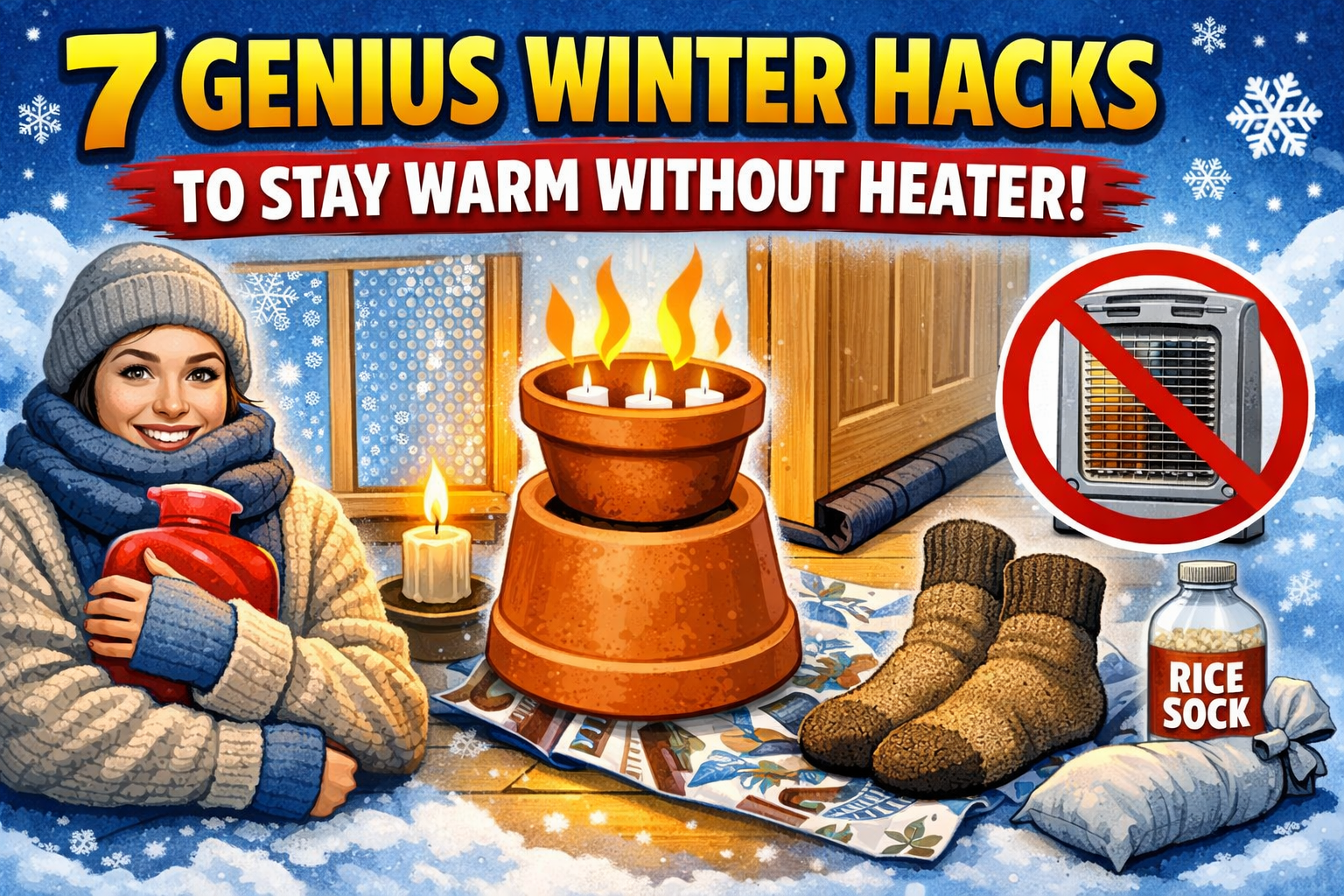

Winter is a beautiful season filled with cozy mornings, warm drinks and peaceful evenings. But it also brings one common challenge that almost everyone faces: staying warm without watching electricity bills skyrocket. Many people rely heavily on heaters but constant heater use can be expensive, unhealthy and environmentally harmful. The good news is that warmth doesn’t always need to come from a switch on the wall.
With a little creativity and understanding of how heat works, you can stay comfortably warm even during the coldest months. In this guide, you will discover seven genius winter hacks that help you stay warm naturally, efficiently and affordably. These methods are practical, science backed and easy enough for people of all ages to follow. Whether you live in a cold city or face mild winters these hacks can transform how you experience the season.

Table of Contents
❄️ What Does “Staying Warm Naturally” Really Mean?
Staying warm naturally means using your body heat, home insulation, lifestyle habits and smart positioning to retain warmth instead of generating artificial heat. Our bodies already produce heat continuously. The goal is to trap that heat and prevent it from escaping. Homes also naturally gain warmth from sunlight, daily activities and even appliances. When managed properly, this warmth can significantly reduce the need for heaters. Natural warmth methods are safer, more sustainable and often healthier. They reduce dry air issues, prevent sudden temperature shocks and promote better circulation. Understanding these principles helps you make smarter winter choices.
📊 Winter Warmth Overview Table
| Factor | How It Helps You Stay Warm | Cost Impact | Health Impact |
|---|---|---|---|
| Body Heat Retention | Keeps natural warmth inside | Very Low | Improves circulation |
| Home Insulation | Prevents heat loss | Low One Time | Reduces cold stress |
| Clothing Layers | Traps warm air | Affordable | Protects joints |
| Sunlight Usage | Adds free heat | Free | Boosts mood |
| Food & Drinks | Raises core temperature | Low | Improves immunity |
🧥 Genius Hack 1️⃣: Master the Art of Smart Layering
Layering clothes is not just about wearing more; it’s about wearing smart. Each layer has a purpose. The inner layer keeps moisture away from your skin, the middle layer traps heat and the outer layer blocks cold air. This trapped air acts as insulation, keeping you warm even in low temperatures. Natural fabrics like cotton, wool and fleece perform much better than thin synthetic materials. Wearing thermal innerwear, thick socks, and a warm scarf can significantly raise your comfort level indoors. Even at home, dressing warmly allows you to lower or completely avoid heater usage without feeling cold.
☀️ Genius Hack 2️⃣: Use Sunlight as a Free Heater
Sunlight is the most powerful and free source of heat available during winter days. Opening curtains and windows that face the sun during daylight hours allows warmth to enter your home naturally. Dark-coloured curtains and furniture absorb sunlight and release heat slowly, helping rooms stay warmer longer. As evening approaches, closing curtains prevents the trapped heat from escaping. This simple habit can raise indoor temperature by several degrees without any energy cost. Sunlight also improves mental health, making winter days feel brighter and more pleasant.
🛏️ Genius Hack 3️⃣: Upgrade Your Bedding for Maximum Warmth
Cold nights are often when heaters are used the most. But your bed can be transformed into a warm cocoon with the right materials. Thick blankets, fleece sheets and layered comforters trap body heat effectively. Using a hot water bottle or heating pad before sleep can warm the bed naturally without running a heater all night. Sleeping in breathable yet insulating fabrics keeps you warm without overheating. A warm bed allows your body to rest deeply, improving immunity and energy levels during winter.
🪟 Genius Hack 4️⃣: Seal Heat Leaks in Your Home
Small gaps around windows, doors and floors allow warm air to escape and cold air to enter. Sealing these gaps is one of the most effective ways to stay warm naturally. Simple solutions like door draft stoppers, thick curtains, rugs and weather strips can dramatically improve indoor warmth. Even placing rolled towels under doors prevents cold air flow. Carpets and rugs act as insulation for cold floors, keeping your feet warm and improving overall room temperature.
🍲 Genius Hack 5️⃣: Eat and Drink for Inner Warmth
What you eat directly affects how warm you feel. Warm foods and beverages increase your core body temperature. Soups, stews, herbal teas and warm milk provide internal heat and comfort. Spices like ginger, cinnamon, pepper and turmeric naturally stimulate blood circulation and warmth. Regular warm meals keep your metabolism active, helping your body produce heat naturally. Staying hydrated with warm liquids also prevents dryness and helps overall winter health.
🕯️ Genius Hack 6️⃣: Create Warm Zones Instead of Heating the Whole House
Instead of trying to warm your entire home, focus on creating warm zones where you spend the most time. Concentrate warmth in bedrooms, living areas or workspaces using rugs, curtains, cushions and furniture placement. Even candles, when used safely can add gentle warmth and create a cozy atmosphere. Keeping doors closed in unused rooms prevents heat loss and helps maintain comfortable temperatures in active spaces.
🧘 Genius Hack 7️⃣: Move Your Body to Generate Heat
Physical movement is one of the fastest ways to warm up. Light indoor exercises, stretching, yoga or even household chores increase blood flow and body temperature naturally. You don’t need intense workouts; gentle movement throughout the day keeps your body warm and flexible. Movement also reduces stiffness, improves circulation, and boosts immunity during winter. Staying active indoors helps maintain warmth long after the activity ends.
🌈 Why These Winter Hacks Work So Well
These hacks focus on heat retention rather than heat generation. By preventing heat loss and enhancing natural warmth sources, you reduce dependence on heaters. This approach saves money, protects the environment, and improves physical comfort. Unlike heaters which dry out the air and cause temperature fluctuations, natural warmth methods maintain balanced indoor conditions. They also reduce risks like dehydration, skin dryness and respiratory irritation.
❄️ Common Winter Mistakes That Make You Feel Colder
Many people unknowingly make winter habits worse by wearing light clothing indoors, keeping windows uncovered at night or skipping warm meals. Overusing heaters can also make your body dependent on artificial warmth, reducing natural heat regulation. Correcting these habits allows your body and home to work together to maintain warmth naturally.
🌟 Conclusion: Warmth Is a Habit, Not a Switch
Staying warm in winter doesn’t have to mean high energy bills or constant heater use. By understanding how heat works and making small lifestyle changes, you can enjoy cozy, comfortable winters naturally. These seven genius winter hacks prove that warmth comes from smart choices, not expensive devices. When you combine smart clothing, sunlight, home insulation, warm food and movement, winter becomes a season to enjoy rather than endure. Start applying these hacks today, and you’ll feel the difference all season long.
❓ Frequently Asked Questions (FAQs)
Yes, it is possible to stay warm without using a heater especially in mild to moderate winters. By focusing on proper clothing, insulation, sunlight usage, warm food and movement, you can maintain comfortable indoor temperatures. These methods help trap your body’s natural heat and prevent heat loss. While extreme cold may still require minimal heating, these hacks significantly reduce heater dependency.
Absolutely. These winter hacks are gentle, natural and safe for elderly individuals. Warm clothing, proper bedding, nutritious meals and insulated living spaces help seniors stay comfortable without sudden temperature changes. Reduced heater usage also lowers the risk of dry air, dehydration and respiratory discomfort, which are common concerns for older adults during winter.
Yes, sunlight can significantly increase indoor temperature when used correctly. Sun facing windows allow solar heat to enter and warm rooms naturally. Closing curtains in the evening traps this heat inside. Over time, this habit can noticeably improve indoor warmth and reduce the need for artificial heating during daytime hours.
The best winter bedding includes layered blankets, fleece or flannel sheets and thick comforters. Natural materials like wool and cotton trap body heat effectively while remaining breathable. Pre warming the bed with a hot water bottle can further enhance comfort without relying on heaters throughout the night.
Savings vary depending on climate and heater usage but many households reduce winter energy bills by 20 to 40 percent. By minimizing heater use and focusing on insulation, clothing and natural heat sources, you lower electricity or gas consumption significantly. Over an entire winter season, these savings can be substantial.