
Sleeping Less Than 7 Hours Lifespan is no longer just a warning shared by doctors; it is now strongly revealed by scientific evidence. A new large scale study has revealed that consistently sleeping fewer than seven hours per night may significantly shorten your lifespan. In today’s digital busy world, sleep is often sacrificed for work, social media, late night entertainment or stress. Many people proudly say they can function on five or six hours of sleep, but research now proves that this habit may silently damage the body and reduce longevity.
Sleep is not a luxury. It is a biological necessity, just like breathing and eating. When sleep is ignored, the body pays a heavy price over time. This article explains the Sleeping Less Than 7 Hours Lifespan connection in simple language, backed by science and helps you understand why quality sleep is one of the strongest predictors of a long and healthy life.
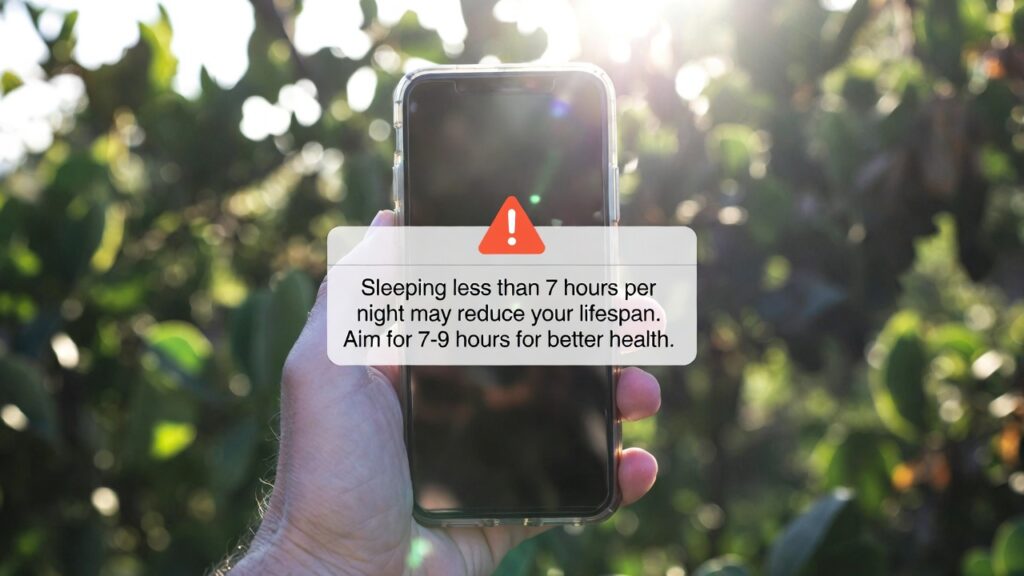
Table of Contents
😴 What Does Sleeping Less Than 7 Hours Lifespan Mean
Sleeping Less Than 7 Hours Lifespan refers to the increased risk of early death linked to chronic sleep deprivation. According to sleep scientists, adults between the ages of 18 and 65 need a minimum of seven hours of sleep every night to allow the brain and body to repair, detoxify and reset. When sleep duration falls below this level for months or years, the risk of serious health problems increases. The new study analysed sleep patterns, health records and mortality data over several decades. The findings clearly showed that people who regularly slept less than seven hours had a higher chance of developing chronic diseases and dying earlier than those who maintained healthy sleep habits.
🔬 🧪 New Study Findings on Sleeping Less Than 7 Hours Lifespan
The latest research on Sleeping Less Than 7 Hours Lifespan studied thousands of adults across different age groups and lifestyles. Scientists found that short sleep duration was associated with higher mortality from heart disease, diabetes, stroke and immune related disorders. Researchers also discovered that sleep deprivation accelerates biological aging. People sleeping less than seven hours showed faster cellular aging, increased inflammation and hormonal imbalances. These changes weaken the body’s ability to fight disease and recover from daily stress. This study is especially important because it confirms that even people who appear healthy can face long term damage if they consistently sleep too little.
❤️ How Sleeping Less Than 7 Hours Affects the Heart
Sleeping Less Than 7 Hours Lifespan risk is strongly linked to heart health. Sleep helps regulate blood pressure, heart rhythm and cholesterol levels. When sleep is reduced, stress hormones like cortisol remain high, causing blood vessels to tighten and blood pressure to rise. Over time, this increases the risk of heart attacks, irregular heartbeat, and stroke. The study found that people who slept under seven hours had a significantly higher risk of cardiovascular death compared to those who slept seven to eight hours regularly.
🧠 Impact on Brain Health and Mental Function
The brain relies on sleep to clear toxins and strengthen memory. Sleeping Less Than 7 Hours Lifespan risk includes faster cognitive decline, memory loss and poor decision-making. During deep sleep, the brain removes harmful waste proteins linked to Alzheimer’s disease. Chronic sleep deprivation disrupts emotional balance, increasing the risk of anxiety, depression and mood disorders. The study highlighted that mental health deterioration is a major factor connecting poor sleep to reduced lifespan.
🩺 Sleep Duration and Health Risks
| Sleep Duration | Health Impact | Lifespan Risk |
|---|---|---|
| Less than 5 hours | Severe hormonal imbalance, immune failure | Very High |
| 5 to 6 hours | Increased heart disease and diabetes | High |
| 6 to 7 hours | Moderate inflammation and fatigue | Medium |
| 7 to 8 hours | Optimal body repair and brain health | Low |
| More than 9 hours | Possible underlying illness | Moderate |
This table clearly shows why Sleeping Less Than 7 Hours Lifespan is considered dangerous according to medical research.
🧬 Effects on Hormones and Metabolism
Sleeping Less Than 7 Hours Lifespan risk also affects weight and metabolism. Sleep regulates hormones like insulin, leptin and ghrelin, which control hunger and blood sugar. When sleep is reduced, hunger increases and insulin resistance develops. This leads to obesity, type 2 diabetes, and metabolic syndrome. The study found that short sleepers had a much higher risk of dying from metabolic diseases compared to those who slept adequately.
🦠 Immune System Weakness and Infection Risk
Your immune system becomes weaker when sleep is restricted. Sleeping Less Than 7 Hours Lifespan is linked to frequent infections, slower healing, and increased inflammation. During sleep, the body produces protective immune cells and antibodies. The study showed that people who slept less were more likely to suffer from chronic inflammation, which is a known driver of cancer, autoimmune diseases, and early aging.
⏳ Aging Faster Due to Poor Sleep
One of the most shocking findings of the Sleeping Less Than 7 Hours Lifespan study is accelerated aging. Poor sleep shortens telomeres, the protective caps at the end of DNA strands. Shorter telomeres are directly associated with shorter lifespan and higher disease risk. People who slept less than seven hours appeared biologically older than their actual age, even if they followed a healthy diet or exercised regularly.
😓 Why Modern Life Encourages Short Sleep
Technology, work pressure, financial stress, and excessive screen time have made sleep deprivation common. Many people underestimate the long term damage caused by Sleeping Less Than 7 Hours Lifespan habits. Late night mobile use suppresses melatonin, the sleep hormone, making it harder to fall asleep. Irregular schedules confuse the body clock, further reducing sleep quality.
🛏️ How to Improve Sleep and Protect Lifespan
Improving sleep does not require extreme changes. Going to bed at the same time every night, reducing screen exposure before sleep, managing stress and creating a calm sleep environment can significantly improve sleep quality. The study emphasized that even increasing sleep by 30 to 60 minutes per night can reduce health risks and improve longevity.
🌈 Long Term Benefits of Sleeping 7–8 Hours
Sleeping 7 to 8 hours improves heart health, strengthens immunity, sharpens memory, balances hormones and enhances emotional well-being. People who maintain healthy sleep patterns live longer, feel more energetic and recover faster from illness. The Sleeping Less Than 7 Hours Lifespan evidence clearly shows that sleep is one of the most powerful tools for long term health.
🧘Conclusion: Sleep Is the Foundation of Long Life
Sleeping Less Than 7 Hours Lifespan is a serious health warning that should not be ignored. The new study proves that chronic sleep deprivation silently damages the heart, brain, immune system, and metabolism. While modern life often pushes sleep aside, prioritizing rest is one of the simplest and most effective ways to protect your health and extend your lifespan. Choosing sleep is choosing life. By respecting your body’s need for rest, you invest in a healthier, longer and more fulfilling future.
❓ Frequently Asked Questions (FAQs)
Sleeping less than seven hours disrupts essential body repair processes. It increases inflammation, weakens immunity, and raises the risk of heart disease, diabetes and mental health disorders. Over time, these conditions accelerate aging and increase the chance of early death. The body needs sufficient sleep to reset hormones, repair cells and protect vital organs, which directly affects longevity.
Yes, many people feel normal despite chronic sleep deprivation, but internal damage still occurs. Studies show that inflammation, hormonal imbalance and cellular aging can happen silently. Feeling fine does not mean the body is healthy. Long term short sleep increases disease risk even without immediate symptoms.
Weekend sleep cannot fully reverse the damage caused by chronic sleep loss during weekdays. While extra rest helps temporarily, the body needs consistent daily sleep for proper repair. Irregular sleep schedules confuse the biological clock and reduce sleep quality, keeping lifespan risks high.
Many people notice better energy, mood and focus within one to two weeks of improved sleep. Blood pressure, insulin sensitivity and immune function begin improving within a month. Long term consistent sleep significantly lowers disease risk and supports healthier aging.
Most adults benefit from sleeping seven to eight hours per night. This range helps optimal brain function, heart health, immunity and hormonal balance. Sleeping consistently within this window is strongly linked to longer lifespan and better overall health.