
How to fight against India’s diabeticity crisis has become one of the most urgent public health questions of our time. India, once known as the land of balanced traditional diets and active lifestyles, is now widely referred to as the diabetes capital of the world. This growing diabeticity crisis is silently affecting children, youth, adults and elderly people across cities and villages alike. Diabetes is no longer just a medical condition; it has turned into a social, economic and generational challenge that threatens India’s future health and productivity.
The alarming rise in diabetes cases is driven by modern lifestyles, unhealthy eating habits, stress, lack of physical activity and limited awareness. What makes this crisis more dangerous is that many people live with diabetes for years without knowing it. Fighting this crisis requires not only medical treatment but also strong lifestyle changes, community awareness, government action, and personal responsibility. This comprehensive guide explains how to fight against India’s diabeticity crisis in a simple, human and practical way for all age groups.
Table of Contents
🧬 What Is Diabeticity Crisis in India?
The diabeticity crisis refers to the rapidly increasing number of people living with diabetes and prediabetes in India. Diabetes is a chronic condition in which the body either does not produce enough insulin or cannot use insulin properly, leading to high blood sugar levels. Over time, this damages the heart, kidneys, eyes, nerves and blood vessels. India currently has millions of diagnosed and undiagnosed diabetes patients, and the numbers are increasing every year. Urbanization, processed food consumption, sugar heavy diets and sedentary work culture are major contributors. The crisis is not limited to adults; teenagers and even children are now being diagnosed with Type 2 diabetes, which was once considered an adult disease.
📊 Essential Facts About India’s Diabeticity Crisis
| Aspect | Current Reality in India |
|---|---|
| Affected Age Groups | Children, Youth, Adults, Elderly |
| Common Diabetes Type | Type 2 Diabetes |
| Major Risk Factors | Obesity, Poor Diet, Inactivity, Stress |
| Urban vs Rural | Rapid rise in both areas |
| Economic Impact | High healthcare costs and productivity loss |
| Preventability | Largely preventable with lifestyle changes |
🧠 Why India Is Facing a Severe Diabeticity Crisis
Understanding how to fight against India’s diabeticity crisis starts with understanding why it exists. India’s lifestyle has changed drastically in the last few decades. Traditional home cooked meals have been replaced by packaged foods. Walking and physical labour have been replaced by long sitting hours and screen time. Stress levels have increased due to competition, work pressure and financial insecurity. Genetic factors also play a role, as Indians are more prone to insulin resistance. Combined with unhealthy habits, this genetic vulnerability accelerates the development of diabetes. Lack of early screening and delayed diagnosis further worsen the situation.
- India is facing a severe diabeticity crisis due to rapid lifestyle changes, where physical activity has reduced and long sitting hours have increased across all age groups.
- Unhealthy eating habits, including high consumption of sugar, refined carbohydrates, fried foods and processed snacks, are major contributors.
- Genetic susceptibility among Indians makes them more prone to insulin resistance and Type 2 diabetes.
- Rising stress levels, poor sleep patterns and mental health issues further worsen blood sugar control.
- Lack of early screening, low awareness, and delayed diagnosis allow diabetes to progress silently in millions of people.
🥗 Role of Diet in Fighting India’s Diabeticity Crisis
Diet plays a central role in how to fight against India’s diabeticity crisis. Excessive intake of refined carbohydrates, sugar, fried foods and sugary beverages spikes blood sugar levels and increases insulin resistance. Traditional Indian diets, when balanced properly, can actually help prevent diabetes. Whole grains, lentils, vegetables, fruits in moderation, healthy fats and adequate protein help maintain stable blood sugar levels. Portion control and mindful eating are equally important. Eating slowly, avoiding overeating and maintaining regular meal timings significantly reduce diabetes risk.
🏃 Importance of Physical Activity in Diabetes Prevention
Physical activity is one of the strongest weapons in how to fight against India’s diabeticity crisis. Regular movement helps the body use insulin more effectively and lowers blood sugar levels naturally. Exercise does not mean intense gym workouts only. Simple daily activities such as walking, cycling, yoga, stretching and household work are highly effective. For children and youth, sports and outdoor play build lifelong healthy habits. For adults, even 30 minutes of daily physical activity can significantly reduce diabetes risk. For elderly individuals, gentle movements and yoga improve circulation and insulin sensitivity.

- Physical activity helps the body use insulin more effectively, which lowers blood sugar levels and reduces the risk of Type 2 diabetes.
- Regular exercise supports healthy weight management by burning excess fat and improving metabolism.
- Activities like walking, cycling, yoga and sports improve muscle strength, allowing muscles to absorb glucose efficiently.
- Daily movement reduces stress hormones that negatively impact blood sugar control.
- Consistent physical activity improves heart health, boosts energy levels and builds long-term habits that protect against diabetes and other lifestyle diseases.
🧘 Stress Management and Mental Health Connection
Chronic stress directly affects blood sugar levels and increases the risk of diabetes. Mental health is often ignored when discussing how to fight against India’s diabeticity crisis, yet it plays a vital role. Stress hormones increase insulin resistance and promote unhealthy eating behaviours. Practices like meditation, deep breathing, mindfulness, adequate sleep and work life balance help control stress. Family support, social connections and emotional well being create a strong foundation for diabetes prevention and management.
🩺 Early Screening and Regular Health Checkups
One of the most effective strategies in how to fight against India’s diabeticity crisis is early detection. Many people live with high blood sugar without symptoms. Regular screening helps identify prediabetes early, allowing lifestyle changes before full diabetes develops. Routine blood sugar tests, waist circumference monitoring, and BMI checks should become a habit, especially for people with a family history of diabetes. Early diagnosis reduces complications and healthcare costs.
🏫 Role of Schools and Colleges in Diabetes Prevention
Educational institutions play a powerful role in shaping habits. Teaching children about healthy eating, physical activity, and body awareness helps fight India’s diabeticity crisis from the roots. School meal programs should focus on balanced nutrition rather than processed foods. Physical education should be given equal importance as academics. Awareness sessions, health check-ups and parent involvement can create a culture of prevention among young generations.
🏙️ Urban Planning and Workplace Responsibility
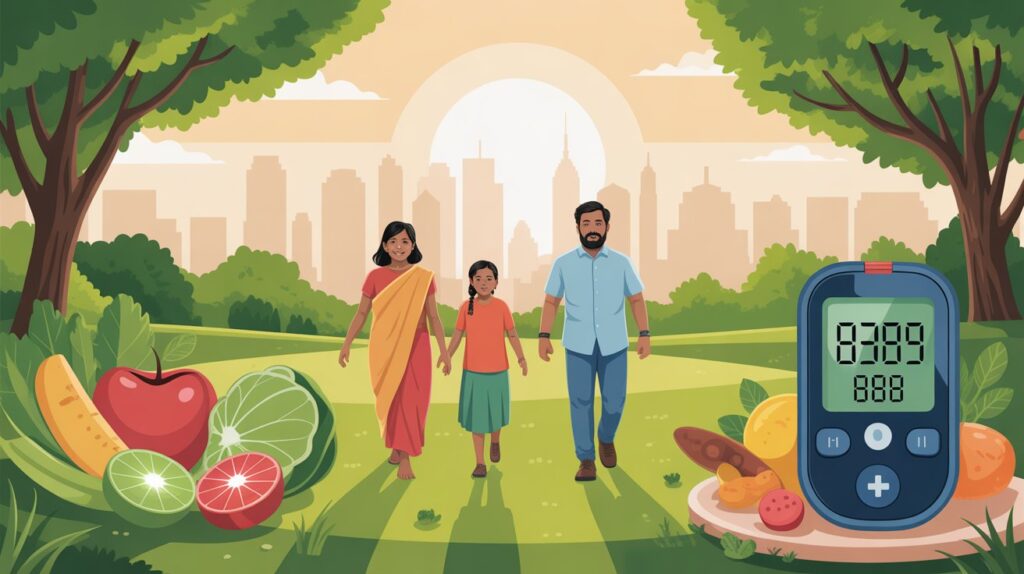
Urban design and workplace culture strongly influence lifestyle choices. Walkable cities, parks, cycling paths and recreational spaces encourage physical activity. Offices should promote movement breaks, standing desks and wellness programs. Employers who invest in employee health contribute directly to how to fight against India’s diabeticity crisis. Healthy workers are more productive and less prone to chronic illnesses.
🏛️ Government Policies and Public Health Initiatives
Government action is essential in how to fight against India’s diabeticity crisis. Public awareness campaigns, affordable healthcare, nutrition labelling, sugar reduction policies and access to preventive care can make a massive difference. Subsidizing healthy foods, regulating junk food advertising, and integrating diabetes prevention into national health missions help protect vulnerable populations. Strong public private partnerships amplify impact.
👨👩👧 Community and Family Role in Diabetes Control
Families and communities influence daily habits more than any policy. Home cooked meals, shared physical activities and supportive environments encourage healthy living. Communities can organize walking groups, yoga sessions and awareness drives. When families understand how to fight against India’s diabeticity crisis together, long term behaviour change becomes easier and more sustainable.
🌍 Technology and Digital Health Support
Technology offers new tools in diabetes prevention. Health apps, wearable devices, online consultations and digital education platforms help people track habits and stay motivated. Telemedicine increases access to care, especially in rural areas. Using technology responsibly supports individuals in managing blood sugar levels and maintaining healthy routines.
- Technology helps people monitor blood sugar levels using digital glucometers and continuous glucose monitoring devices for better daily control.
- Mobile health apps helps diet tracking, exercise planning and medication reminders, improving diabetes management.
- Wearable devices track physical activity, sleep patterns and heart health, encouraging an active lifestyle.
- Telemedicine enables online consultations, making diabetes care accessible in remote and rural areas.
- Digital health platforms spread awareness, provide personalized insights and help individuals adopt healthier habits to prevent diabetes effectively.
🌟 A United Fight Against India’s Diabeticity Crisis
How to fight against India’s diabeticity crisis is not a question with a single answer. It is a shared responsibility that begins with individual awareness and extends to families, communities, institutions, and the government. Diabetes is largely preventable and even manageable, with timely action and consistent effort.
By choosing balanced diets, staying active, managing stress, prioritizing mental health and promoting early screening, India can reverse the tide of this crisis. Small daily changes, when multiplied across millions of lives, have the power to transform the nation’s health. Fighting diabeticity is not just about living longer, but about living healthier, happier and stronger together.
❓ Frequently Asked Questions (FAQs)
India is called the diabetes capital due to its rapidly growing number of diabetes cases. Genetic susceptibility, unhealthy diets, sedentary lifestyles, stress and delayed diagnosis contribute significantly. Urbanization and processed food consumption have accelerated the problem, making diabetes one of the country’s biggest public health challenges today.
Yes, diabetes can be prevented naturally in many cases through healthy eating, regular physical activity, stress management and maintaining a healthy weight. Early lifestyle changes are especially effective for people with prediabetes or a family history of diabetes, reducing the risk significantly without medication.
Yes, Indian children are increasingly at risk due to unhealthy diets, excessive screen time, lack of physical activity and childhood obesity. Early education, active lifestyles, balanced meals and limiting sugary foods can protect children from developing diabetes at a young age.
About 30 to 45 minutes of moderate physical activity daily is enough to significantly reduce diabetes risk. Activities like walking, cycling, yoga or sports help improve insulin sensitivity and maintain healthy blood sugar levels when practiced consistently.
Early screening helps detect prediabetes and diabetes before complications arise. Many Indians live with undiagnosed diabetes for years. Timely detection allows lifestyle changes and treatment that prevent severe complications like heart disease, kidney failure and vision loss.