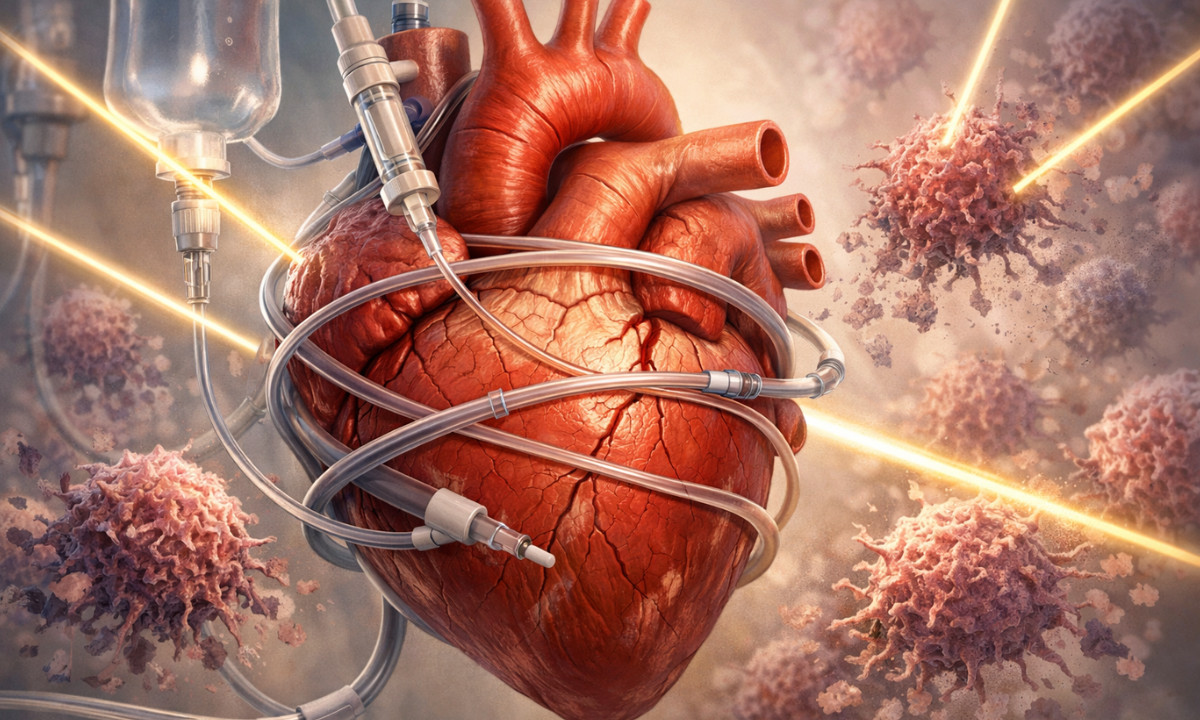

Cancer Treatment Heart Damage Cycle is a medically recognized yet often overlooked process where life saving cancer treatments slowly weaken heart health, creating a continuous loop of damage. According to an oncologist with 27 years of clinical experience, cancer survival rates have improved significantly, but silent long-term heart complications are rising. Chemotherapy, radiation and other therapies can stress heart muscles and blood vessels over time. This article explains in clear and simple language, how these treatments affect the heart, why damage may continue years later, and why awareness is crucial for patients, caregivers, survivors and health conscious readers.
Read more: Protecting Your Health Demands No Money: 7 Powerful Truths Experts Reveal
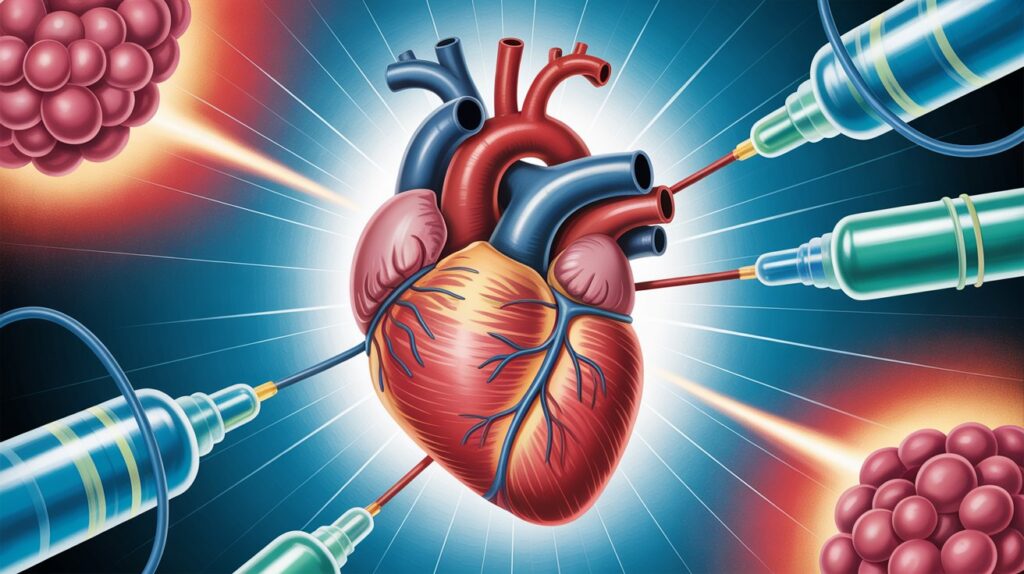
Table of Contents
❓What is Cancer?
Cancer is a disease in which abnormal cells grow and multiply uncontrollably in the body. These cells do not follow normal rules of growth and can form lumps called tumors or spread through blood and lymph to other parts of the body a process known as metastasis. Cancer can affect almost any organ, including the lungs, breast, blood, brain, and colon. It develops due to genetic changes caused by factors such as lifestyle habits, infections, radiation or environmental exposure. Early detection and proper treatment can improve survival and quality of life.
Read more: Diabetes Global Health and Economic Threat: 7 Shocking Realities the World Can’t Ignore
📝 Cancer Treatments and Heart Complications
- Chemotherapy can damage heart muscle cells, reducing the heart’s ability to pump blood effectively. This may lead to weakened heart function or heart failure over time.
- Certain chemotherapy drugs increase oxidative stress, which causes inflammation and long term injury to heart tissues.
- Radiation therapy, especially to the chest area, can harm heart valves, arteries and surrounding blood vessels, increasing the risk of coronary artery disease.
- Immunotherapy may trigger excessive immune responses, leading to heart inflammation known as myocarditis in some patients.
- Targeted cancer therapies can interfere with electrical signals in the heart, causing irregular heartbeats or rhythm disorders.
- Hormonal therapies used in breast and prostate cancer may raise cholesterol levels and contribute to weight gain, increasing cardiovascular risk.
- Cancer treatments often cause fatigue and weakness, leading to reduced physical activity, which weakens heart strength over time.
- Long time continuous emotional stress from cancer diagnosis and treatment elevates stress hormones, increasing blood pressure and heart strain.
- Cancer survivors face a higher lifetime risk of heart disease, even years after treatment ends.
- Regular heart monitoring during and after cancer treatment helps reduce serious complications.
Read more: How to Fight Strongly Against India’s “Diabeticity” Crisis: 9 Powerful and Urgent Solutions
🌱 When Healing Creates Another Battle
Cancer treatment saves lives. Chemotherapy, radiation therapy, immunotherapy and targeted drugs are powerful tools that destroy cancer cells. But these same treatments can unintentionally harm the heart. Over decades of oncology practice, doctors have observed a disturbing pattern. Patients survive cancer but later develop heart disease, heart failure, rhythm problems or weakened heart muscles. The Cancer Treatment Heart Damage Cycle begins quietly. It often goes unnoticed until years later. Understanding this cycle can help break it early and protect long term health.
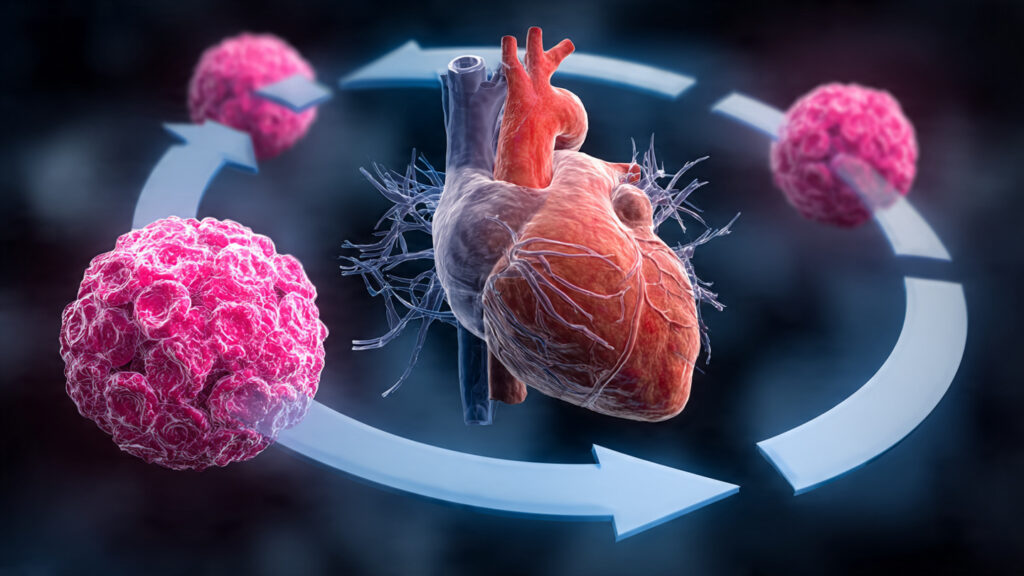
🧠 What Is the Cancer Treatment Heart Damage Cycle?
The Cancer Treatment Heart Damage Cycle refers to a repeating process where cancer therapies damage the heart, leading to reduced cardiovascular function. This weakened heart then limits future treatment options, increases inflammation, worsens fatigue and raises the risk of chronic disease. The body remains trapped in a loop of stress, damage and declining resilience. This cycle does not happen overnight. It develops slowly through repeated exposure to toxic therapies, emotional stress, metabolic changes and reduced physical activity.
Read more: 5 Powerful Simple Habits to Make Life Less Annoying Fast
📊 Cancer Treatments and Heart Impact
| Cancer Treatment Type | Primary Cancer Target | How It Affects the Heart | Long Term Risk |
|---|---|---|---|
| Chemotherapy | Rapid cancer cell division | Weakens heart muscle cells | Heart failure |
| Radiation Therapy | Local tumor destruction | Damages blood vessels | Coronary artery disease |
| Immunotherapy | Immune system activation | Triggers inflammation | Myocarditis |
| Targeted Therapy | Cancer specific proteins | Alters heart signaling | Irregular heartbeat |
| Hormonal Therapy | Hormone driven cancers | Changes cholesterol levels | Atherosclerosis |
💔 How Chemotherapy Starts the Cancer Treatment Heart Damage Cycle
Chemotherapy drugs are designed to kill fast growing cells. Unfortunately, heart muscle cells are sensitive to these medications. Over time, chemotherapy reduces the heart’s pumping ability. An experienced oncologist explains that chemotherapy increases oxidative stress. This means toxic molecules damage heart tissues. The heart becomes weaker, forcing it to work harder. This begins the Cancer Treatment Heart Damage Cycle, where reduced heart function increases fatigue, reduces exercise tolerance and worsens overall recovery.
☢️ Radiation Therapy and Silent Heart Injury
Radiation therapy saves lives, especially in breast cancer, lung cancer and lymphoma. However, radiation does not differentiate perfectly between cancer cells and healthy tissues. Radiation exposure can scar heart tissue, narrow arteries, and stiffen heart valves. These changes develop slowly, often appearing 5 to 20 years after treatment. This delayed damage keeps the Cancer Treatment Heart Damage Cycle active long after cancer is gone.
🔥 Chronic Inflammation Keeps the Cycle Alive
Cancer treatments trigger inflammation throughout the body. Inflammation is helpful short term but dangerous when chronic. Persistent inflammation damages blood vessels, disrupts heart rhythm and accelerates plaque formation. According to long term oncology observations, this inflammatory state becomes a key driver of the Cancer Treatment Heart Damage Cycle, linking cancer survival to cardiovascular disease.
🧬 Hormonal and Metabolic Disruption
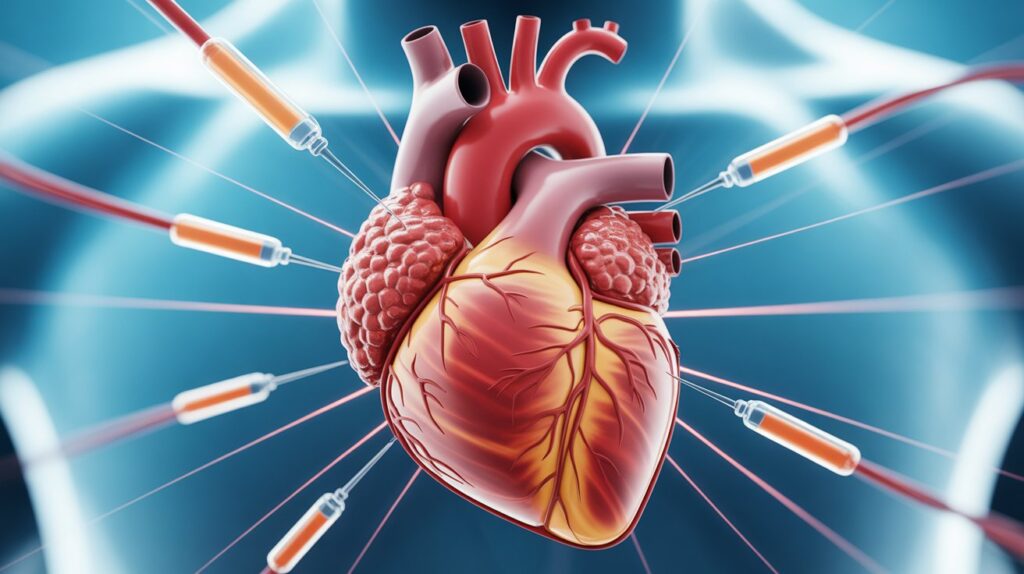
Many cancer therapies alter hormone balance. Hormonal treatments for breast and prostate cancer change estrogen and testosterone levels. This leads to weight gain, insulin resistance, and higher cholesterol. These metabolic changes strain the heart. As insulin resistance grows, the heart receives less energy. The cycle deepens as metabolic stress feeds back into cardiovascular damage.
Read more: Sleeping Less Than 7 Hours Lifespan Warning: Shocking Study Reveals 7 Deadly Risks
😟 Emotional Stress and Nervous System Overload
Cancer diagnosis itself is traumatic. Long term anxiety, fear of recurrence and emotional exhaustion keep stress hormones elevated. Cortisol and adrenaline increase heart rate and blood pressure. Over years, this constant stress fuels the Cancer Treatment Heart Damage Cycle, weakening the heart while reducing the body’s ability to heal.
🛌 Reduced Physical Activity and Muscle Loss
Cancer treatments often cause fatigue, pain and weakness. Patients move less. Muscle mass decreases. Cardiovascular fitness drops. This inactivity further weakens the heart. A weaker heart makes physical activity even harder, reinforcing the Cancer Treatment Heart Damage Cycle in a self perpetuating loop.
🫀 Why the Heart Struggles to Recover After Cancer
The heart has limited regenerative capacity. Unlike skin or liver cells, heart muscle cells do not easily regenerate. Repeated damage accumulates. A 27-year oncology veteran explains that once heart reserve declines, even mild stress can trigger symptoms. This is why early detection of the Cancer Treatment Heart Damage Cycle is critical.
🩻 The Role of Cardio Oncology in Breaking the Cycle
Cardio-oncology is a growing medical field focusing on heart care during cancer treatment. Regular heart scans, blood markers, and early interventions can reduce long-term risk. Monitoring heart health from day one helps interrupt the Cancer Treatment Heart Damage Cycle before it becomes permanent.
🌿 Lifestyle Factors That Influence the Cycle
Nutrition, sleep, and gentle exercise play powerful roles. Anti-inflammatory diets support heart repair. Proper sleep balances hormones. Light activity improves circulation. When patients support their body, they weaken the Cancer Treatment Heart Damage Cycle and strengthen recovery.
🧩 The Long Term Survivor Reality
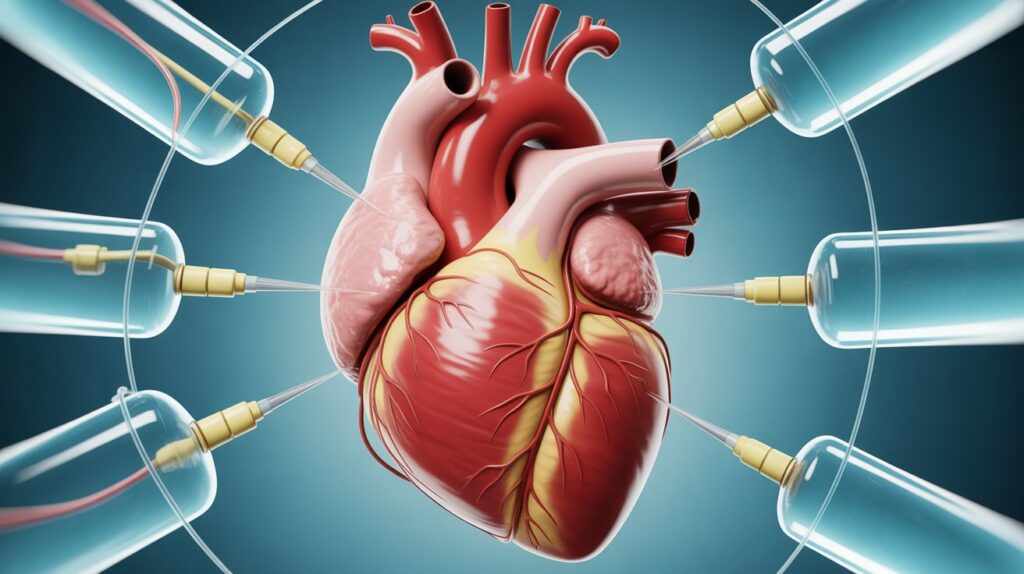
Cancer survivors are living longer. With longer life comes the responsibility to manage treatment consequences. Heart disease is now one of the leading non-cancer causes of death among survivors. Understanding the Cancer Treatment Heart Damage Cycle empowers survivors to demand better follow-up care.
🌈 Hope: The Cycle Can Be Slowed and Managed
The cycle is not destiny. With awareness, monitoring, and early lifestyle support, heart damage can be reduced. Oncologists today work closely with cardiologists to ensure survival does not come at the cost of heart health.
Read more: Shocking Truth: 12 Common Food Preservatives Which Increased Risk of Cancer
🌟 Conclusion
Cancer treatments have transformed survival outcomes, giving millions a second chance at life. However, the impact of these therapies on heart health cannot be ignored. Chemotherapy, radiation and newer cancer drugs may place stress on the heart, leading to complications that appear months or even years later. Understanding these risks allows patients, caregivers and doctors to take preventive steps early. Regular heart monitoring, healthy lifestyle choices and coordinated care between oncologists and cardiologists are essential. By addressing heart health alongside cancer treatment, survivors can achieve not only longer lives but healthier and more fulfilling futures.
❓FAQs
Cancer treatments target fast growing cells but also harm healthy heart cells. Chemotherapy causes oxidative stress, radiation damages blood vessels and immunotherapy triggers inflammation. Over time, these effects weaken heart muscle and disrupt circulation. This process forms the Cancer Treatment Heart Damage Cycle, where heart damage continues even after cancer treatment ends.
Some heart damage can be managed or slowed, but full reversal is difficult. Early detection, medication, lifestyle changes and cardio-oncology care can improve heart function. Addressing the Cancer Treatment Heart Damage Cycle early increases the chance of preserving long term cardiovascular health.
Cardio-oncology is a medical specialty focused on protecting heart health during and after cancer treatment. It helps monitor heart function, adjust therapies and prevent long term complications. This approach is essential to interrupt the Cancer Treatment Heart Damage Cycle before permanent damage occurs.
Heart problems may appear immediately or many years later. Radiation related heart disease often emerges 5 to 20 years after treatment. This delayed effect makes monitoring crucial to managing the Cancer Treatment Heart Damage Cycle effectively.