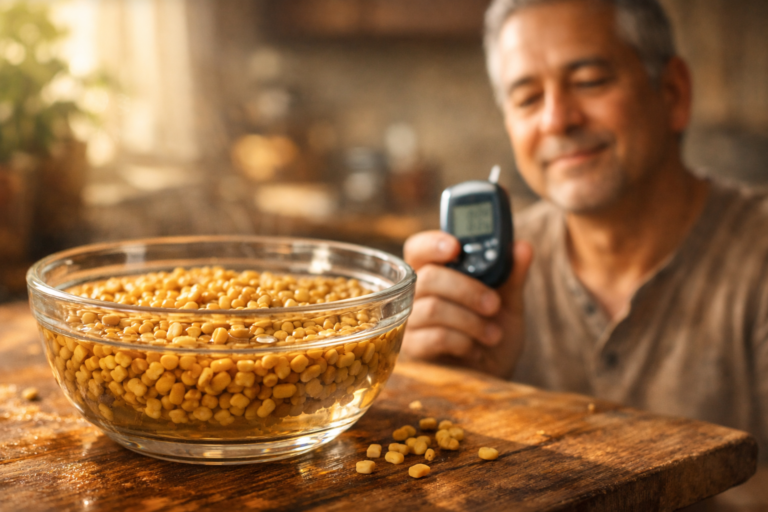


Short walks improve circulation more effectively than sitting for long hours and modern research is now clearly proving this simple truth. In today’s lifestyle, where people sit for work, travel and entertainment, poor blood circulation has quietly become a common health issue across all age groups. The good news is that the solution does not require intense workouts or gym memberships. Something as simple as short, frequent walks can create powerful changes inside the body.
Researchers explain that the human body is designed for movement. When movement stops for long periods, blood flow slows down, oxygen delivery reduces and metabolic processes become less efficient. On the other hand, when short walks improve circulation, they help activate muscles, veins and arteries in a natural and safe way.
Table of Contents
🧠 What Does “Short Walks Improve Circulation” Mean?
Walks improve circulation means that brief periods of walking, usually lasting 2 to 10 minutes, help blood move more efficiently through the body compared to remaining seated for long durations. Circulation refers to how blood carries oxygen, nutrients, hormones and removes waste products through arteries, veins and capillaries.
When a person sits continuously, especially for more than 30 minutes, blood tends to pool in the lower body. This reduces oxygen supply to muscles and organs. Researchers have found that even light walking activates the calf muscles, often called the body’s second heart, which push blood back toward the heart. Walks improve circulation by gently stimulating the cardiovascular system without stressing the body. This makes them ideal for elderly people, office workers, students and even those with limited mobility.
Read more: Your Health Isn’t in a Capsule: 7 Powerful Truths a Doctor Reveals About Real Wellness
🔬 Why Researchers Say Walks Improve Circulation More Than Sitting
Scientific studies show that prolonged sitting reduces blood flow in the legs by up to 50 percent within one hour. Researchers explain that inactivity causes blood vessels to stiffen, which makes circulation weaker over time. When short walks improve circulation, several physiological changes happen immediately. Heart rate slightly increases, blood vessels expand and oxygen delivery improves. These changes help prevent clot formation and reduce inflammation inside blood vessels.
Researchers also observed that frequent short walks throughout the day are more effective for circulation than one long exercise session followed by hours of sitting. This discovery is especially important for people with desk jobs.
📊 Sitting vs Short Walks
| Health Factor | Prolonged Sitting | Walks Improve Circulation |
|---|---|---|
| Blood Flow Speed | Slows significantly | Improves naturally |
| Oxygen Delivery | Reduced | Enhanced |
| Muscle Activation | Minimal | Active |
| Risk of Blood Pooling | High | Low |
| Heart Health Support | Weak | Strong |
| Energy Levels | Decrease | Increase |
| Metabolic Function | Suppressed | Activated |
This table clearly shows why researchers strongly recommend movement breaks during the day.
Read more: Carnivore Diet Explained: Benefits, Risks, Meal Plan & Truth You Must Know
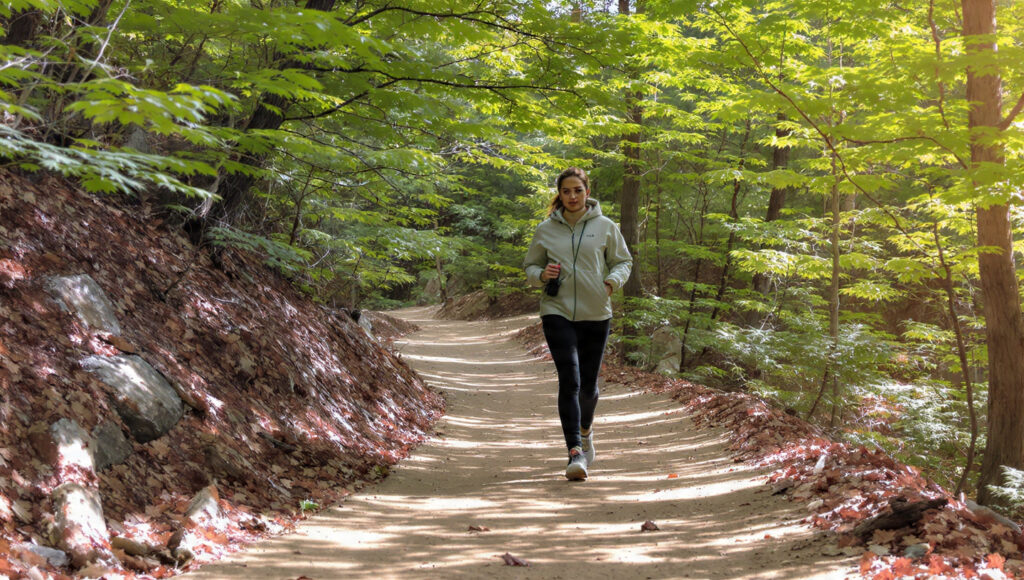
❤️ How Shortest Walks Improve Circulation in the Heart and Blood Vessels
When short walks improve circulation, the heart does not need to work excessively. Instead, it pumps blood more efficiently. Light walking encourages blood vessels to relax and widen, improving elasticity. This flexibility is crucial for preventing high blood pressure and heart strain.
Researchers explain that sitting for long hours increases arterial stiffness, which restricts blood flow. Short walks improve circulation by reversing this stiffness gradually and naturally. Over time, this reduces the risk of heart disease and stroke. Even a five-minute walk can stimulate nitric oxide production in blood vessels. Nitric oxide helps vessels relax, improving circulation instantly.
🦵 Why Short Walks Improve Circulation in Legs and Feet
The legs are most affected by poor circulation during sitting. Gravity pulls blood downward, causing swelling, numbness, and fatigue. Researchers emphasize that short walks improve circulation by activating the calf muscles, which act as pumps.
Each step compresses veins and pushes blood upward toward the heart. This prevents blood pooling and reduces the risk of varicose veins and deep vein thrombosis. Office workers who practice short walking breaks experience less leg pain and better mobility. For older adults, short walks improve circulation without putting pressure on joints, making them a safe daily habit.
Read more: Shocking Truth: 12 Common Food Preservatives Which Increased Risk of Cancer
🧬 The Role of Muscles When Short Walks Improve Circulation
Muscles play a vital role in circulation. When muscles contract during walking, they squeeze blood vessels and help move blood efficiently. Sitting keeps muscles inactive, which weakens this natural pumping system.
Researchers highlight that even light muscle movement is enough to activate circulation. This is why short walks improve circulation more effectively than standing still. Walking engages multiple muscle groups simultaneously, enhancing blood flow throughout the body. Over time, consistent short walks strengthen muscles and improve overall vascular health.
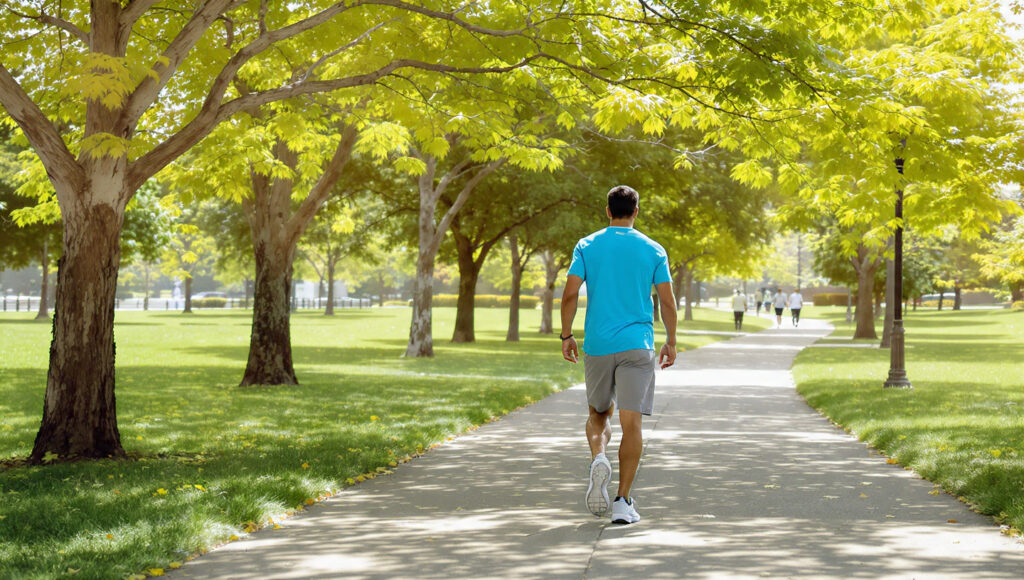
🩺 How Short Walks Improve Circulation and Prevent Chronic Diseases
Poor circulation is linked to diabetes, obesity, heart disease, and nerve damage. Researchers explain that short walks improve circulation by enhancing insulin sensitivity and glucose transport in the bloodstream.
Better circulation means nutrients reach cells more efficiently, reducing inflammation and oxidative stress. This lowers the risk of chronic illnesses. People who take walking breaks during the day show better cholesterol levels and improved blood pressure readings. Short walks improve circulation in a way that helps long term disease prevention without overwhelming the body.
Read more: Sleeping Less Than 7 Hours Lifespan Warning: Shocking Study Reveals 7 Deadly Risks
🧘 Short Walks Improve Circulation and Mental Health
Circulation is not only physical but also mental. When short walks improve circulation, oxygen rich blood reaches the brain more effectively. This enhances focus, memory and mood.
Researchers found that people who walk briefly during work hours experience reduced stress and improved productivity. Sitting for long periods reduces brain oxygen levels, causing fatigue and mental fog. Short walks improve circulation to the brain, helping emotional balance and mental clarity across all age groups.
⏰ How Often Researchers Recommend Short Walks
Researchers suggest standing up and walking for two to five minutes every thirty minutes. This frequency ensures that circulation remains active throughout the day. Short walks improve circulation most effectively when they are consistent. Even walking inside the house or office hallway is enough. There is no need for speed or intensity. This approach is especially beneficial for people with sedentary lifestyles or limited time for exercise.
🌍 Why Short Walks Improve Circulation for All Age Groups
Children, adults and seniors all benefit when short walks improve circulation. For children, walking helps healthy growth and energy balance. For adults, it reduces work-related health risks. For seniors, it maintains mobility and independence. Researchers emphasize that walking is one of the safest physical activities. It does not require special equipment or training. This makes short walks improve circulation universally accessible. Regardless of fitness level, everyone can adopt this habit safely.
Read more: 7 Powerful Reasons Why Olive Oil Is Called “Liquid Gold” for Health
🌈 Long Time Benefits When Short Walks Improve Circulation Daily
Over weeks and months, consistent walking breaks lead to improved endurance, stronger blood vessels and reduced inflammation. Researchers observed that people who practice short walks improve circulation patterns similar to moderate exercisers. These benefits accumulate silently, improving quality of life without dramatic lifestyle changes. Sleep quality, digestion and immunity also improve with better circulation. Short walks improve circulation not just today, but for long-term health resilience.
🌟 Conclusion
Researchers clearly explain why short walks improve circulation more than sitting, and the evidence is both strong and practical. The human body thrives on movement, even in small doses. Short, frequent walks activate muscles, enhance blood flow, support heart health, and protect against chronic diseases.
In a world where sitting has become unavoidable, short walks offer a powerful, simple solution. They require no equipment, no intense effort and no special time. Just a few minutes of walking can restore circulation, boost energy and improve overall well-being. By choosing movement over stillness, people of all ages can experience healthier circulation and a more active life, one step at a time.
❓ Frequently Asked Questions (FAQs)
Researchers say short walks improve circulation because walking activates muscles that push blood through veins and arteries. Sitting slows blood flow, while walking increases oxygen delivery and prevents blood pooling. Even brief movement breaks can significantly improve vascular function and overall circulation health.
A short walk can be as little as two to five minutes. Researchers found that walking every thirty minutes is enough to keep blood flowing efficiently. These small sessions are more effective than one long walk followed by hours of sitting.
Yes, short walks improve circulation to the brain by increasing oxygen rich blood flow. This enhances concentration, reduces mental fatigue and improves mood. Researchers link regular walking breaks to better cognitive performance and reduced stress.
Short walks improve circulation safely for many heart patients, especially when done at a gentle pace. Researchers recommend walking as a low impact activity that helps in heart health, improves blood vessel function and reduces cardiovascular risk when approved by a doctor.
Standing is better than sitting, but researchers found that short walks improve circulation more than standing still. Walking actively engages muscles and blood vessels, making it the most effective simple movement for improving blood flow.