

You don’t always need another capsule to feel better. Sometimes, the most powerful medicine is already in your glass. Before you dismiss this as too simple to be true, pause for a moment. What if many of today’s common health complaints are not caused by a lack of pills, but by a lack of water?
We live in an era where popping a capsule feels easier than listening to our body. Headache? Pill. Fatigue? Supplement. Constipation? Syrup. Yet modern research and ancient wisdom are quietly aligning on one truth: water as medicine is not a myth, it is a missing habit. This article explores why capsule isn’t always the solution, how water works like medicine inside your body, and when hydration can genuinely change your health story.
Read more: Foods That Destroy Your Memory: 9 Dangerous Choices to Stop Eating Today

Table of Contents
Why Water as Medicine Matters Today
Water as medicine is gaining renewed attention because lifestyle diseases are rising while basic hydration is falling. According to global health surveys, nearly 75 percent of people live in a state of chronic dehydration without realizing it. In India alone, studies suggest that over 60 percent of adults do not meet daily water intake recommendations. This matters because every cell, tissue, and organ in your body depends on water to function properly. When water is missing, the body sends distress signals that often look like illness.
The tragedy is that these signals are frequently treated with capsules instead of correction at the root level. Headaches, acidity, joint pain, skin problems, urinary infections, and even anxiety are often linked to poor hydration. Water as medicine does not mean rejecting modern healthcare. It means understanding when the simplest intervention can prevent unnecessary medication and long-term dependency.
Capsule Isn’t Always: Understanding Water as Medicine at the Cellular Level
Water as medicine begins at the cellular level, where life actually happens. Nearly 60 percent of the human body is water, and blood plasma is more than 90 percent water. Every biochemical reaction, from digestion to detoxification, relies on adequate hydration. When water intake drops, blood thickens, oxygen delivery slows, and waste removal becomes inefficient. This creates symptoms that mimic disease.
Medical researchers from the National Institutes of Health have highlighted that even mild dehydration of 1 to 2 percent can impair cognitive function, mood, and energy levels. This explains why dehydration often shows up as brain fog, irritability, or unexplained fatigue. Many people take multivitamins or stimulants, assuming deficiency, when water as medicine could restore balance naturally.
Imagine a factory running without enough lubricant. Machines overheat, slow down, and break. Capsules try to fix individual machines, but water restores the system itself.

Water as Medicine vs Capsule Culture in Modern Life
Capsule culture dominates because it promises quick relief. Pharmaceutical solutions are powerful and life-saving when used correctly, but overuse has created a generation that treats symptoms instead of systems. Water as medicine challenges this mindset by focusing on prevention and internal balance rather than instant suppression.
Data from the World Health Organization shows that nearly 30 percent of medication prescriptions for digestive and headache-related complaints could be reduced with improved hydration habits. Acid reflux, for example, is often worsened by dehydration because low water reduces saliva and weakens the stomach’s protective lining. People reach for antacids daily, unaware that water as medicine could significantly reduce symptoms.
This does not mean throwing away prescriptions. It means recognizing that capsule isn’t always required as the first response. Sometimes, the body is simply asking for water.
Read more: Shocking Truth: 12 Common Food Preservatives Which Increased Risk of Cancer
Real Life Symptoms Where Water as Medicine Works First
Water as medicine shows its power most clearly in everyday health complaints. Chronic headaches are a classic example. A clinical study published in the Journal of Headache and Pain found that increased water intake reduced headache intensity in nearly half of participants within two weeks. These were people who previously relied on painkillers.
Constipation is another condition where capsule isn’t always the solution. Water softens stool and supports intestinal movement. Laxatives may offer temporary relief, but hydration restores natural bowel rhythm. Similarly, joint pain often worsens with dehydration because cartilage is largely water. Without enough fluid, joints lose cushioning, increasing friction and discomfort.
Skin issues like acne and dullness are frequently treated with creams and pills, yet dermatologists increasingly emphasize hydration as foundational therapy. Water as medicine improves circulation, toxin removal, and skin elasticity from within.
Water as Medicine and Mental Health: The Overlooked Link
One of the most surprising areas where water as medicine plays a role is mental health. Dehydration affects neurotransmitter production and cortisol levels, the hormone linked to stress. Even mild dehydration has been shown to increase anxiety and reduce concentration.
A 2023 study from Harvard Medical School revealed that individuals with consistent hydration habits reported better mood stability and lower perceived stress levels compared to those with irregular water intake. This is crucial in a world where antidepressants and anti-anxiety medications are rising sharply.
Capsule isn’t always the answer for mental fatigue or emotional irritability. Sometimes the brain is simply dehydrated. Water improves blood flow to the brain, enhances oxygen delivery, and supports electrical signaling between neurons. In this sense, water as medicine becomes a silent mental health ally.

How Water as Medicine Helps Detoxification Naturally
The word detox is often misused, but the body has its own powerful detox systems: the kidneys, liver, lungs, and skin. Water as medicine supports all of them simultaneously. Kidneys rely on water to filter waste from blood and excrete toxins through urine. Without adequate hydration, toxins accumulate, increasing the risk of kidney stones and infections.
According to recent nephrology data, people who drink less than 1.5 liters of water daily have a significantly higher risk of urinary tract infections and kidney issues. Many of these conditions are treated with repeated antibiotic courses, contributing to resistance. Capsule isn’t always necessary when water intake itself can prevent recurrence.
Sweating is another detox pathway. Water regulates body temperature and allows toxins to exit through sweat. This is why hydration is essential during exercise, heat exposure, or fever.
A Simple Flow of How Water as Medicine Works Inside You
When you drink water, it enters the stomach and small intestine, where it is absorbed into the bloodstream. From there, it flows to cells, delivering nutrients and oxygen. At the same time, water collects waste products from cellular metabolism. These wastes travel back through blood to the kidneys, which filter them into urine. Excess heat and toxins exit through sweat, while digestion becomes smoother due to adequate fluid movement.
This natural flow explains why water as medicine affects multiple systems at once. Capsules usually target one pathway, but water supports the entire cycle of nourishment, circulation, and elimination. When this flow is disrupted by dehydration, the body compensates poorly, leading to symptoms that feel like disease.
How Much Water as Medicine Do You Really Need?
The idea that everyone needs exactly eight glasses a day is outdated. Water as medicine should be personalized based on body weight, climate, activity level, and health conditions. Recent hydration science suggests a simple formula: 30 to 35 milliliters of water per kilogram of body weight per day. For a 70 kg adult, this equals approximately 2.1 to 2.4 liters daily.
In hot climates like India, or for people who sweat more, requirements increase. Urine color remains one of the most reliable indicators. Pale yellow suggests adequate hydration, while dark yellow indicates dehydration. Thirst is actually a late signal, meaning the body is already running low.
Capsule isn’t always the fix when fatigue hits. Often, the body is signaling for water long before hunger or illness appears.
How Much Water as Medicine Do You Really Need?
| Person Type / Condition | Body Weight Range | Daily Water as Medicine Needed | Why This Amount Matters |
|---|---|---|---|
| Average adult (sedentary lifestyle) | 50–60 kg | 1.8–2.1 liters | Helps digestion, circulation, and toxin removal without stressing kidneys |
| Average adult (moderately active) | 60–70 kg | 2.1–2.5 liters | Maintains energy levels, prevents headaches, improves focus |
| Active adult / regular exercise | 70–80 kg | 2.5–3.0 liters | Replaces fluid lost through sweat, protects joints and muscles |
| Hot climate or summer season | Any weight | +500–700 ml extra | Prevents dehydration, heat fatigue, and electrolyte imbalance |
| Office workers / screen-heavy lifestyle | Any weight | 2.2–2.6 liters | Reduces brain fog, dry eyes, fatigue, and stress-related dehydration |
| Older adults (above 50 years) | Any weight | 2.0–2.4 liters | Helps kidney function, digestion, and joint lubrication |
| People with frequent headaches | Any weight | 2.5 liters (spread evenly) | Dehydration is a leading trigger for recurring headaches |
| Constipation-prone individuals | Any weight | 2.5–3.0 liters | Softens stool and improves bowel movement naturally |
| People with kidney stone history | Any weight | 3.0 liters (doctor guided) | Dilutes urine and reduces stone formation risk |
| During fever or illness | Any weight | +700–1000 ml extra | Compensates fluid loss and supports faster recovery |
Read more: Top 6 Yoga Poses That Help You Stay Young and Ageless Naturally
👉 Simple Rule to Remember
A practical water as medicine formula backed by modern hydration science is:
30–35 ml of water per kg of body weight per day
For example, a 70 kg person needs roughly 2.1–2.4 liters daily, adjusted for climate, activity, and health condition.
Water as Medicine in Preventive Healthcare Trends
Preventive healthcare is a major trend in 2025, and water as medicine sits at its core. Digital health platforms now track hydration alongside sleep and steps. Corporate wellness programs increasingly emphasize water intake as a productivity booster. This shift is backed by economic data showing that preventive habits reduce healthcare costs significantly.
A global wellness report indicated that companies promoting hydration breaks saw a measurable drop in employee fatigue and sick days. This reinforces the idea that capsule isn’t always needed to maintain health. Small daily habits can prevent bigger problems.
Doctors and nutritionists are now integrating hydration counselling into routine check-ups, recognizing that many chronic complaints stem from lifestyle neglect rather than disease.
| Preventive Healthcare Trend | How Water as Medicine Fits In | Real-World Impact on Health | Why It Explains “Capsule Isn’t Always” |
|---|---|---|---|
| Preventive lifestyle medicine | Hydration is treated as a first-line preventive habit before medication | Reduces headaches, acidity, constipation, fatigue | Many symptoms disappear without pills when hydration improves |
| Corporate wellness programs | Companies promote hydration breaks and water tracking | Improved focus, fewer sick days, better productivity | Fewer employees rely on painkillers and stimulants |
| Digital health & fitness apps | Water intake tracking added alongside steps and sleep | Better energy consistency and mood stability | Lifestyle correction replaces symptom-based treatment |
| Gut health & microbiome focus | Water supports digestion and healthy gut bacteria | Reduced bloating, improved bowel movements | Laxatives and digestive capsules become less necessary |
| Kidney & urinary health prevention | High fluid intake recommended to prevent stones and UTIs | Lower recurrence of infections and kidney issues | Prevents repeated antibiotic use |
| Mental health & stress management | Hydration linked with cortisol and brain function | Reduced anxiety, better emotional balance | Mild dehydration often mimics anxiety disorders |
| Skin health & anti-aging care | Internal hydration prioritized over topical products | Better skin elasticity and glow | Skin pills and creams work poorly without hydration |
| Weight management programs | Drinking water before meals improves satiety | Natural appetite control and fat loss | Reduces dependency on fat-burner supplements |
| Elderly preventive care | Hydration emphasized to prevent falls and confusion | Better joint lubrication and cognitive clarity | Avoids unnecessary painkillers and sedatives |
| Climate-resilient healthcare | Extra hydration advised during heat waves | Lower heat exhaustion and dehydration cases | Prevention replaces emergency medication |
Read more: Yoga: The Ancient Path to Healthy Body, Calm Mind and Improved Life Quality for 365 Days
When Capsule Is Necessary and Water as Medicine Is Supportive
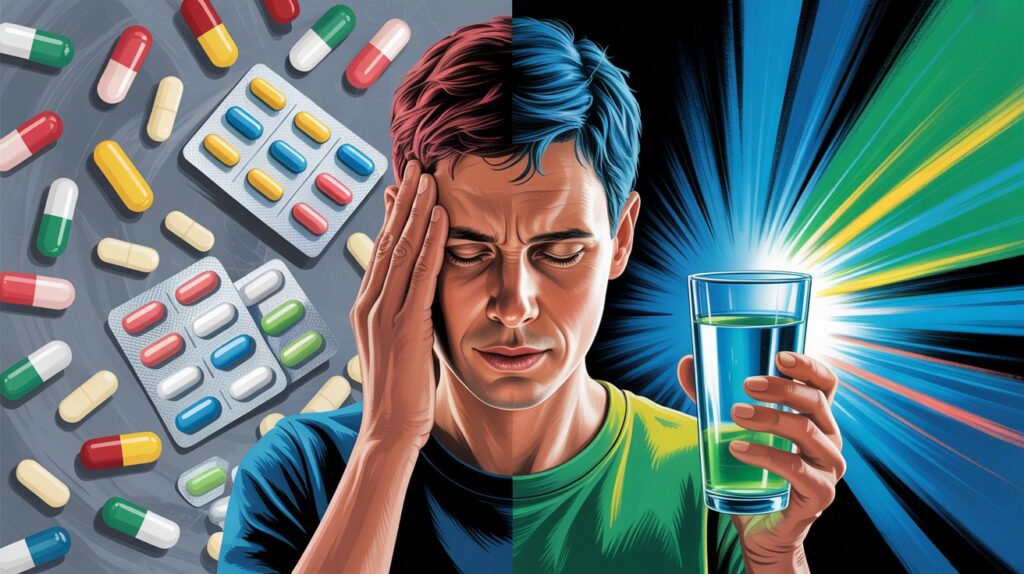
It is important to be honest and responsible. Water as medicine is powerful, but it is not a cure-all. Serious infections, chronic diseases, hormonal disorders and genetic conditions require medical diagnosis and treatment. Capsules and medications save lives and should never be avoided when prescribed.
The real message is balance. Water as medicine works best as the first line of defense and a strong support system. Proper hydration can enhance medication effectiveness, reduce side effects, and speed recovery. For example, antibiotics work better when the body is well-hydrated because circulation improves drug delivery.
Think of water as the foundation. Capsules build on it when needed.
Capsule Isn’t Always: Cultural Wisdom Meets Modern Science
Traditional systems like Ayurveda and traditional Chinese medicine have long emphasized water timing and temperature as therapeutic tools. Modern science is now validating these insights. Warm water in the morning improves digestion and bowel movement. Drinking water before meals supports appetite regulation and blood sugar control.
A recent clinical trial showed that drinking 500 ml of water before meals helped overweight adults lose weight more effectively than diet alone. This is water as medicine influencing metabolism naturally.
Our ancestors did not have capsules for every discomfort. They listened to the body, adjusted habits, and respected water as life itself. Today, reconnecting with this wisdom does not mean rejecting science, but completing it.
Read more: Natural Ways to Detox Your Body Immediately: 9 Powerful Methods That Truly Work
Reclaiming Water as Medicine in a Capsule Driven World
Capsule isn’t always the answer, and that realization is empowering. Water as medicine reminds us that health does not always come from a pharmacy shelf. Sometimes it flows from a simple daily habit we overlook. By prioritizing hydration, you give your body the tools it needs to heal, regulate and protect itself.
This is not about extreme ideas or medical rebellion. It is about awareness. The next time you feel tired, foggy, bloated or achy, pause before reaching for a capsule. Ask yourself if you have truly listened to your body’s most basic need.
Start small. Drink consciously. Observe the difference. If this perspective helped you, share it with someone who might need a gentle reminder that healing can begin with a glass of water.
Frequently Asked Questions (FAQs)
Water as medicine is supported by extensive scientific research. Studies consistently show that proper hydration improves digestion, cognitive function, kidney health, joint lubrication and skin condition. While water does not replace medical treatment, it plays a foundational role in nearly every physiological process, making it one of the most evidence-backed preventive health tools available.
In many minor and lifestyle-related conditions, improved hydration can reduce symptom frequency and intensity, lowering dependency on over-the-counter medications. Headaches, constipation, acidity and fatigue are common examples. However, prescribed medications should never be stopped without medical advice.
Some benefits appear within hours, such as improved energy and reduced headache intensity. Digestive improvements may take a few days, while skin and joint benefits usually become noticeable within two to three weeks of consistent hydration.
Yes, excessive water intake can cause water intoxication, although it is rare. Balance is key. Drinking according to body needs, climate, and activity level is safest. Listening to thirst and monitoring urine colour helps maintain healthy hydration.
Both have benefits. Warm water supports digestion and relaxation, while cold water can refresh and cool the body. The best choice depends on individual comfort, climate, and timing.