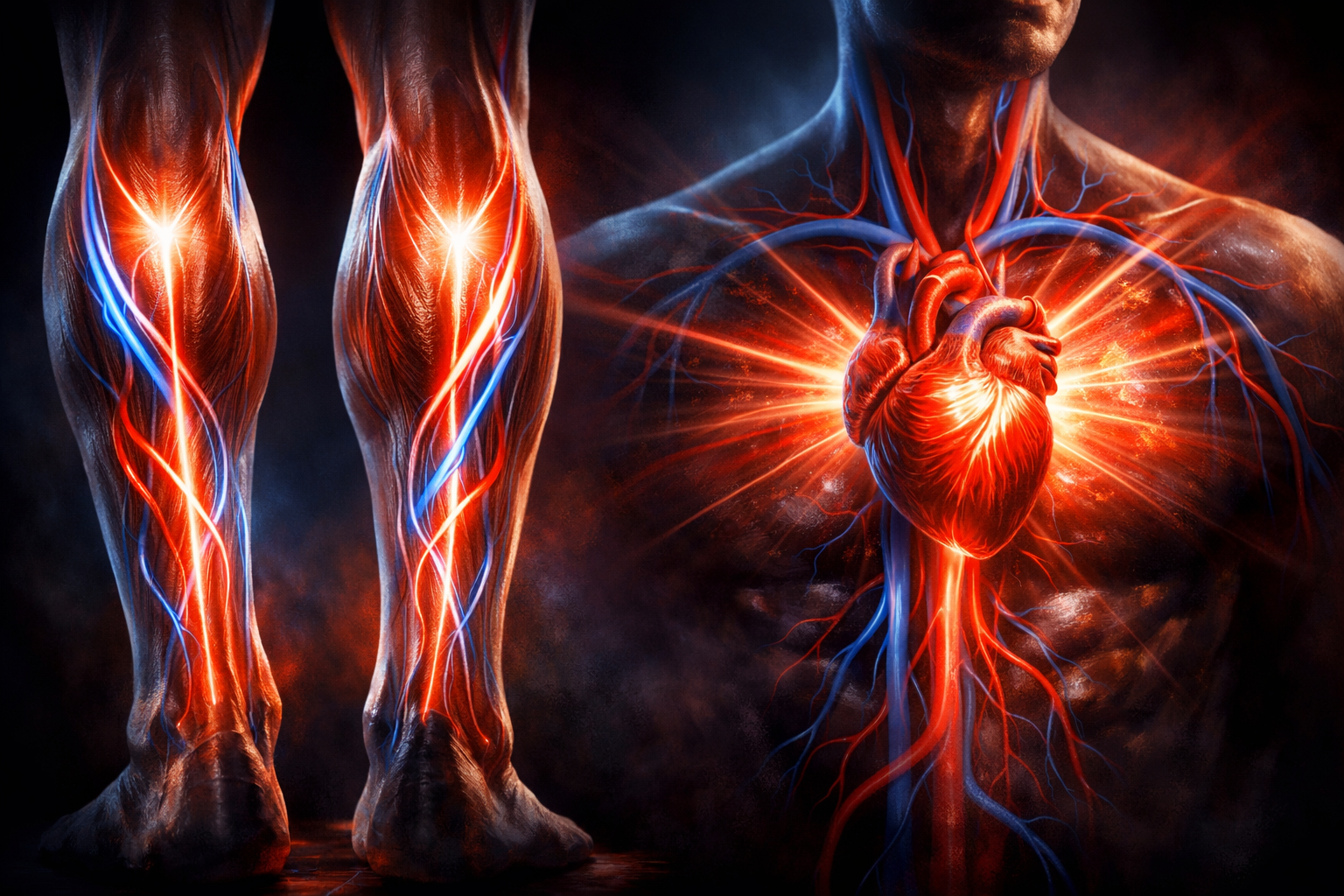

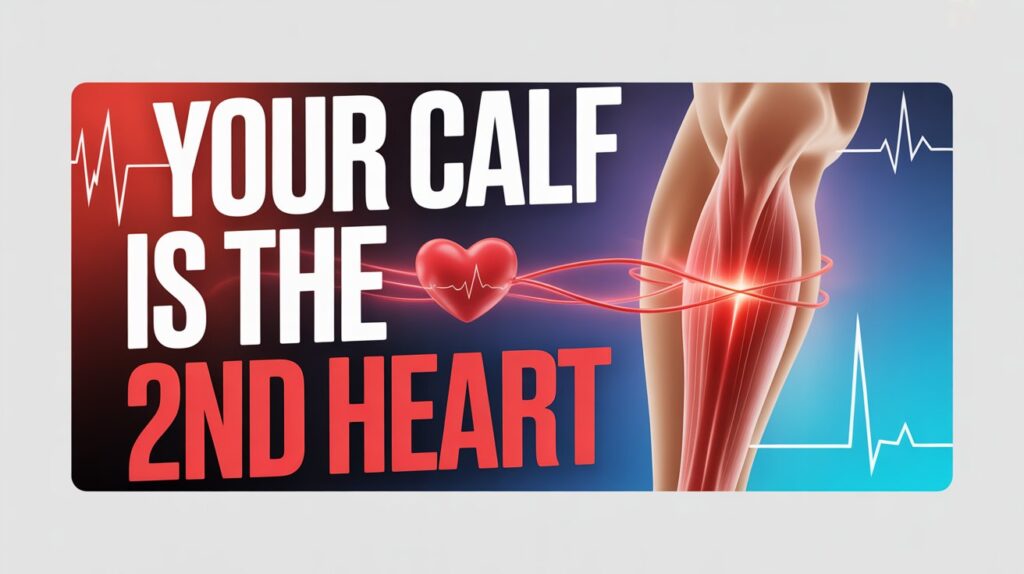
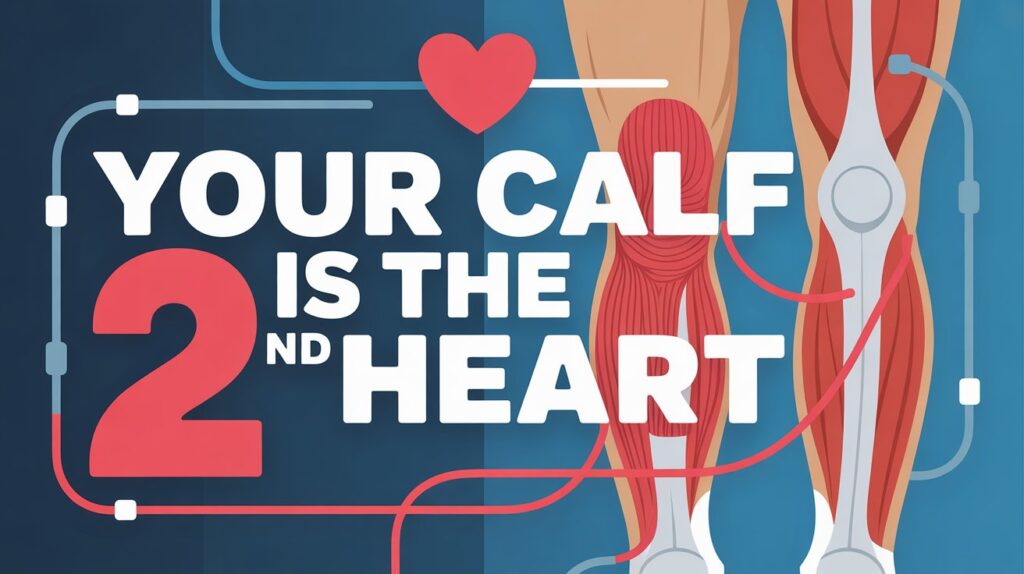
Your calf is the 2nd heart and it works quietly every single time you stand, walk or take a step forward.
Ignore your calf muscles, and your heart pays the price in ways you never imagined.
Most people think the heart works alone, pumping blood tirelessly throughout the body. But the truth is more fascinating and deeply human. Hidden in your lower legs is a powerful biological system that supports your heart every second you move.
Doctors and researchers often call the calf muscles “the second heart” because they actively push blood back up toward your heart, reducing strain and protecting cardiovascular health. This isn’t a fitness myth or a gym slogan. It’s pure human physiology and once you understand it, you’ll never look at walking, standing, or calf pain the same way again.
Read more: Capsule Isn’t Always the Answer: 7 Powerful Truths About Water as Medicine
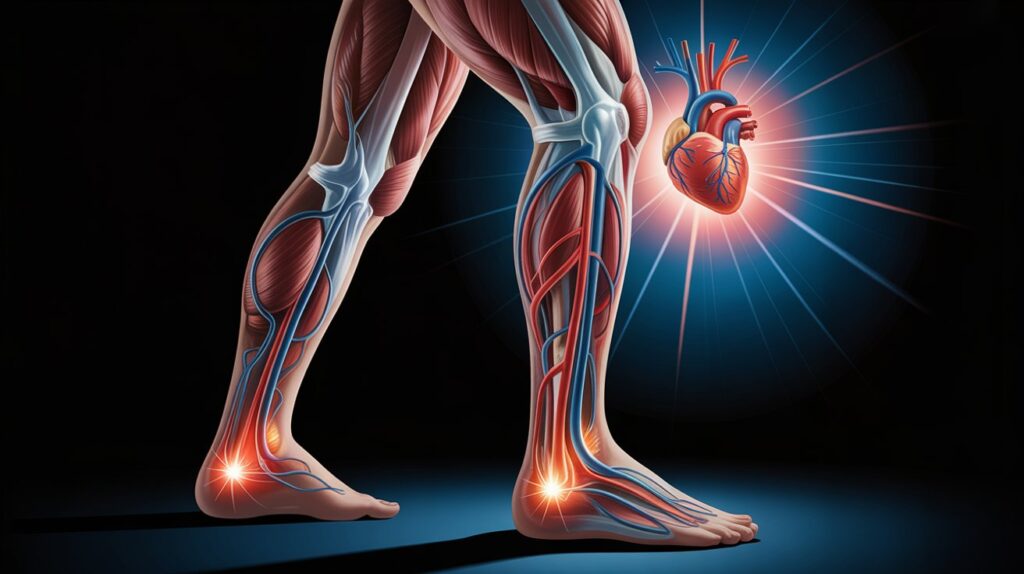
Table of Contents
The Silent Muscle That Keeps You Alive
The idea that your calf is the 2nd heart may sound dramatic, but it’s rooted in anatomy, physics, and real-world medical observations. Your heart sits high in your chest, but gravity constantly pulls blood downward. Without help, blood would pool in your legs, increasing pressure, swelling, and heart workload. This is where your calf muscles step in like loyal assistants. Each contraction gently squeezes deep veins, pushing blood upward against gravity.
This mechanism protects circulation, stabilizes blood pressure, and prevents dangerous clots. In modern life, where sitting dominates our days, these muscles often fall asleep and the heart silently suffers. Understanding this connection is not just educational. It’s empowering. It gives you control over your heart health in a way medicine alone cannot.
Read more: Foods That Destroy Your Memory: 9 Dangerous Choices to Stop Eating Today
Why the Calf Is the 2nd Heart According to Science?
Your calf is the 2nd heart because it functions as a muscular pump for venous blood. Unlike arteries, veins rely on muscle movement to push blood upward. The calf muscles, especially the gastrocnemius and soleus, surround deep veins like a natural compression system. When you walk or flex your ankles, these muscles contract and relax rhythmically. This action propels blood upward toward the heart while one-way valves prevent backflow.
Research published in cardiovascular physiology journals shows that up to 70 percent of venous return from the lower body depends on calf muscle activity. When these muscles are weak or inactive, blood circulation slows, increasing the risk of swelling, varicose veins, deep vein thrombosis, and even heart strain. This is why doctors emphasize movement, not just medication, for heart health.
How Your Calf Muscles Literally Protect Your Heart
Your calf is the 2nd heart because it reduces the workload placed on your actual heart. Think of your heart as an engine climbing a hill. When calf muscles pump blood upward efficiently, the heart doesn’t have to work as hard to pull blood back from the legs. This reduces cardiac stress and helps maintain stable blood pressure. Studies show that people with strong lower-leg muscles have better circulation efficiency and lower resting heart rates.
This effect becomes more critical as we age because venous elasticity decreases over time. When calf muscles weaken due to inactivity, prolonged sitting, or aging, blood pooling increases. This forces the heart to compensate by pumping harder, raising the risk of hypertension and heart fatigue. Strengthening the calves is like giving your heart a reliable backup system.
The Calf Heart Connection in Everyday Life
The reason your calf is the 2nd heart becomes obvious when you observe daily habits. Long hours of sitting at desks, driving, or scrolling on phones turn calf muscles inactive. This inactivity slows blood flow and creates a traffic jam in the veins. Many people experience heavy legs, swelling around ankles, or unexplained fatigue by evening. These are early signs that the calf pump is underperforming. In contrast, people who walk regularly, stand intermittently, or stay physically active activate their calf muscles hundreds of times a day.
This constant pumping action supports circulation naturally. Hospital studies even show that early mobilization of patients after surgery reduces clot risk significantly because it reactivates the calf pump. Movement is not optional; it is medicine written into human design.
What Happens When the 2nd Heart Stops Working Properly?
When your calf is the 2nd heart but remains inactive, problems quietly begin. Blood pools in the lower legs, increasing venous pressure. Over time, this damages vein walls and valves, leading to varicose veins and chronic venous insufficiency. The heart then faces increased resistance when circulating blood, raising blood pressure and cardiac workload. According to global cardiovascular health data, sedentary lifestyles increase the risk of heart disease by over 30 percent.
This is not only due to fat accumulation or poor metabolism but also because the calf pump is neglected. People often focus on chest workouts or cardio machines while ignoring simple calf engagement. Yet without calf activation, even intense workouts cannot fully protect heart health. The second heart must function for the first one to thrive.
Read more: Shocking Truth: 12 Common Food Preservatives Which Increased Risk of Cancer
A Simple Flow of How the Calf Protects the Heart
Below is a simplified flow of how your calf is the 2nd heart and helps circulation.
| Action | What Happens in the Calf | Effect on the Heart |
|---|---|---|
| Walking | Calf muscles contract | Blood pushed upward |
| Standing still | Minimal contraction | Blood pools slightly |
| Sitting long hours | Calf inactive | Heart strain increases |
| Calf movement | Veins compressed | Reduced cardiac load |
This flow explains why even light movement can significantly helps heart health. It also explains why prolonged immobility is dangerous, even in people who appear otherwise healthy.
Why Doctors and Athletes Respect the Calf So Much?
Medical professionals and athletes both understand why the calf is the 2nd heart. Cardiologists often advise patients with heart failure or circulation issues to walk daily, not just to burn calories but to activate the calf pump. Athletes train calves not only for speed and jumping power but for endurance and recovery. Strong calves improve venous return, speeding oxygen delivery and waste removal from muscles.
This is why marathon runners with well-developed calves often have superior cardiovascular efficiency. Even yoga and physiotherapy emphasize ankle mobility and calf engagement because these movements enhance circulation. This shared respect across medicine and sports highlights one truth. The calf muscle is not cosmetic. It is functional, protective, and deeply connected to heart survival.
The Hidden Role of the Calf in Blood Pressure Control
Your calf is the 2nd heart because it influences blood pressure regulation. When blood returns efficiently to the heart, circulation stabilizes, reducing pressure spikes. Poor venous return forces the heart to pump harder, contributing to hypertension. Clinical observations show that regular walking and calf activation can lower systolic blood pressure by several points over time.
This effect is especially strong in older adults and people with sedentary routines. The calf muscles act like pressure regulators, preventing sudden drops or surges in blood flow. This is one reason why doctors recommend movement breaks every 30 minutes during long sitting periods. Blood pressure is not only controlled by medication or salt intake. It is also controlled by muscle activity, especially in the calves.
Modern Lifestyle vs the 2nd Heart Problem
The modern lifestyle is quietly damaging the 2nd heart. Remote work, elevators, vehicles, and screen-based entertainment reduce natural walking. Even gym routines often ignore calves, focusing instead on visible muscles. According to global health surveys, adults now sit an average of 8 to 10 hours per day. This level of inactivity significantly reduces calf pump efficiency. The danger is subtle. You don’t feel pain immediately.
Instead, circulation slowly weakens, and heart strain accumulates silently. This explains why heart issues now appear earlier in life. The human body evolved for movement, not prolonged stillness. Reclaiming calf activity is one of the simplest and most powerful ways to counteract modern health damage without expensive interventions.
Read more: Top 6 Yoga Poses That Help You Stay Young and Ageless Naturally
Signs Your Calf Is Not Supporting Your Heart Well
When your calf is the 2nd heart but underperforming, your body sends signals. Common signs include leg heaviness, ankle swelling, night cramps, visible veins, and fatigue after standing. These symptoms are often ignored or blamed on age or weight. However, they indicate poor venous return and increased cardiac effort.
Medical imaging shows that inactive calves lead to slower blood velocity in deep veins. Over time, this increases clot risk and heart stress. Recognizing these signs early allows you to intervene naturally. Movement, stretching, and calf engagement can reverse many of these issues before medication becomes necessary. Listening to your legs can save your heart.
How Simple Movements Reactivate the 2nd Heart
The beauty of understanding why your calf is the 2nd heart is that the solution is simple. Walking, climbing stairs, ankle rotations, and standing calf raises all activate the muscle pump. Even subtle movements while sitting, such as flexing your feet, can stimulate blood flow. Research shows that just five minutes of calf movement every hour can significantly improve venous circulation.
Unlike intense workouts, calf activation is gentle, accessible, and sustainable for all ages. This makes it one of the most inclusive heart-protective strategies available. Your body doesn’t need extremes. It needs consistency. The second heart responds instantly to movement, rewarding you with better circulation and reduced heart strain.
Why Aging Makes the Calf Heart Link More Important?
As you age, your veins lose elasticity, and your heart becomes less efficient. This makes the role of the calf even more critical. Studies show that older adults with strong calf muscles have better balance, circulation, and cardiovascular resilience. The calf pump compensates for age-related vascular changes, helping maintain stable blood flow. This is why seniors who walk daily often have lower heart-related complications than sedentary peers.
Aging does not weaken the heart alone. It weakens the support systems around it. Strengthening the calves helps preserve independence, reduce falls, and protect the heart simultaneously. This is not anti-aging hype. It is practical, biological wisdom backed by decades of observation.
Read more: Yoga: The Ancient Path to Healthy Body, Calm Mind and Improved Life Quality for 365 Days
Why Walking Cultures Have Healthier Hearts?
Populations that walk daily, such as in parts of Europe and Asia, show lower rates of heart disease. While diet plays a role, daily walking keeps the calf pump active. This constant activation improves circulation, metabolic health, and heart efficiency. In contrast, car-dependent societies show higher rates of cardiovascular problems despite access to advanced healthcare.
The difference lies in movement frequency, not intensity. This real-world pattern reinforces the idea that your calf is the 2nd heart. Culture, habits, and environment influence how well it functions. Designing daily life around natural movement is one of the most underrated heart-protective strategies.
Conclusion
Your calf is the 2nd heart, and it deserves respect, attention, and daily movement. It works silently, faithfully, and powerfully to protect your heart from overload. Ignoring it weakens circulation and strains your cardiovascular system over time. Activating it strengthens your heart without pills, machines, or complicated routines.
This knowledge is empowering because it puts heart protection back into your hands and your steps. Every walk becomes medicine. Every movement becomes prevention. Share this insight, apply it daily, and let your second heart help your first for a longer, stronger life.
Frequently Asked Questions (FAQs)
The calf is called the 2nd heart because its muscles pump blood back to the heart from the lower body. This muscle-driven circulation reduces heart workload and improves overall blood flow, especially against gravity.
Yes, weak or inactive calves reduce venous return, forcing the heart to work harder. Over time, this increases the risk of high blood pressure, circulation issues, and heart strain.
Walking activates calf muscles repeatedly, improving blood circulation and reducing cardiac stress. This makes walking one of the simplest and most effective heart-protective habits.
Ideally, calves should be activated every hour through walking or ankle movement. Even short movement breaks significantly improve circulation and heart health.
Calf activation complements cardio by improving circulation efficiency. Cardio strengthens the heart muscle, while calf exercises support blood return, making both important.