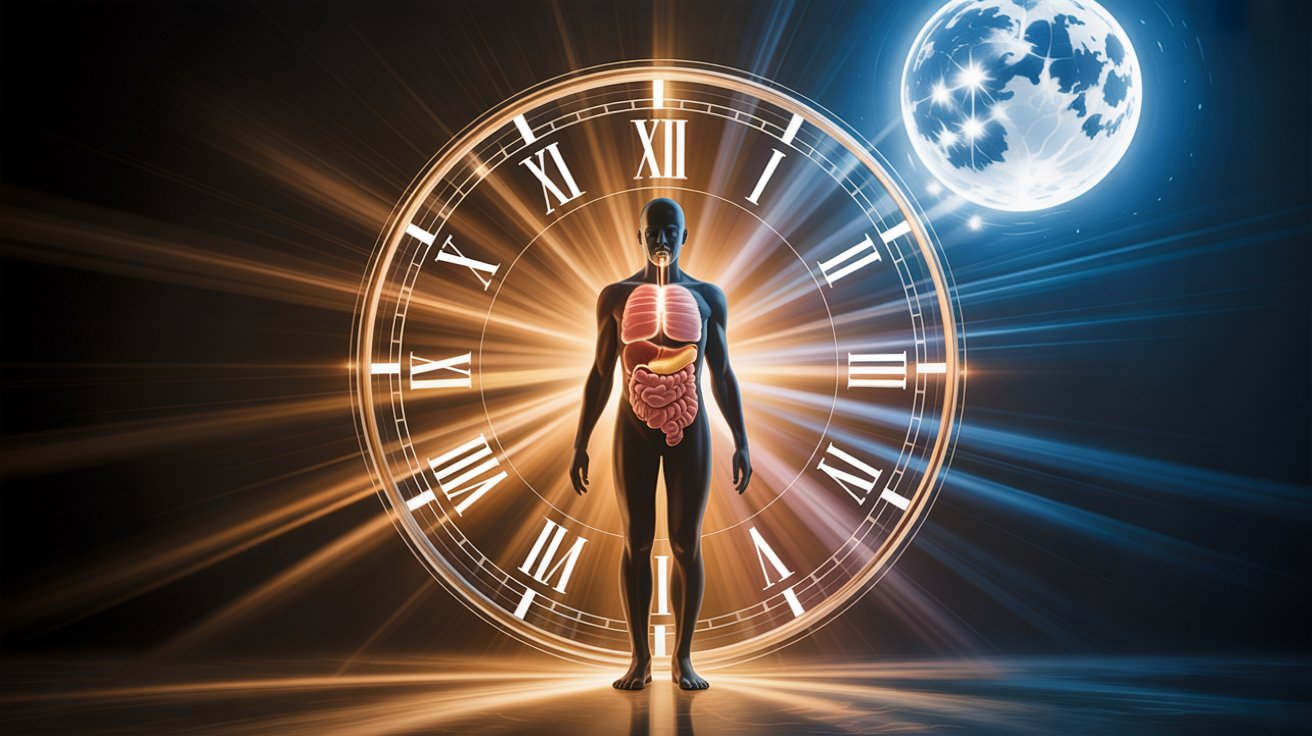

The Body’s Clock is quietly ticking inside you right now, deciding when you feel energetic, sleepy, hungry, focused, or exhausted. Most people blame stress, age or workload for feeling tired all day, but the real reason is often a misaligned internal clock. This invisible timing system works 24 hours a day, syncing your brain, hormones, digestion, muscles and immune system with the natural cycle of day and night. When it works with you, life feels smooth. When it works against you, even simple days feel heavy.
In today’s screen-lit, always-on world, The Body’s Clock is constantly under attack. Late nights, irregular meals, artificial light, and endless notifications confuse this delicate system. The result is poor sleep, low productivity, weight gain, mood swings and long-term health risks. Understanding how The Body’s Clock truly works is no longer optional. It is one of the most powerful yet ignored foundations of human health.
Read more: Why Your Calf Is the 2nd Heart: 7 Powerful Ways Calf Muscles Protect Your Heart Health
Table of Contents
Why Your Energy Isn’t Random
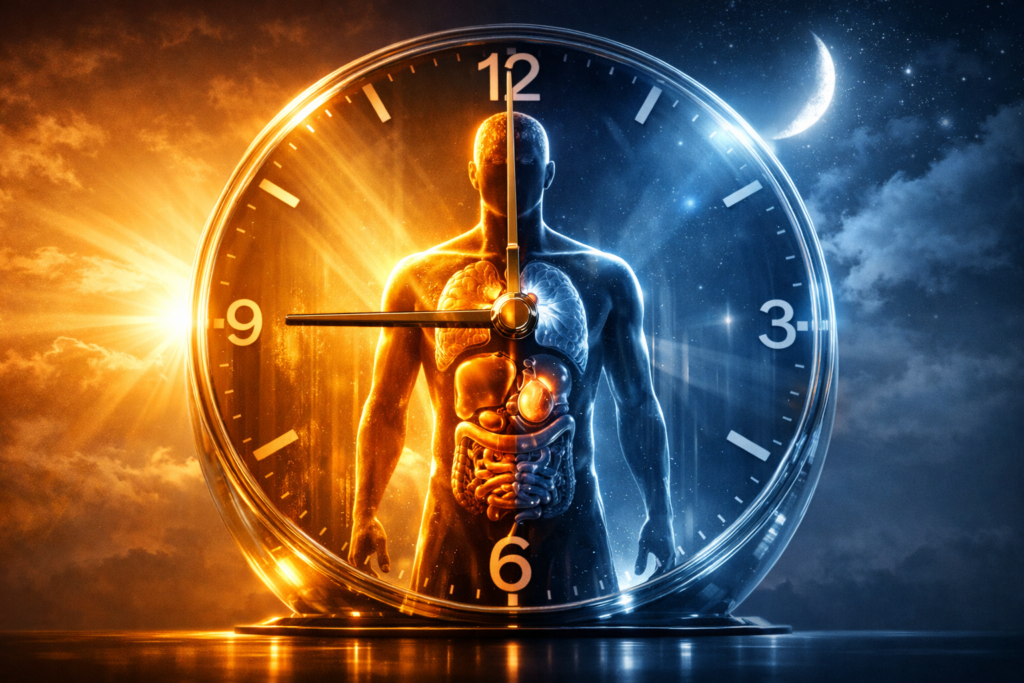
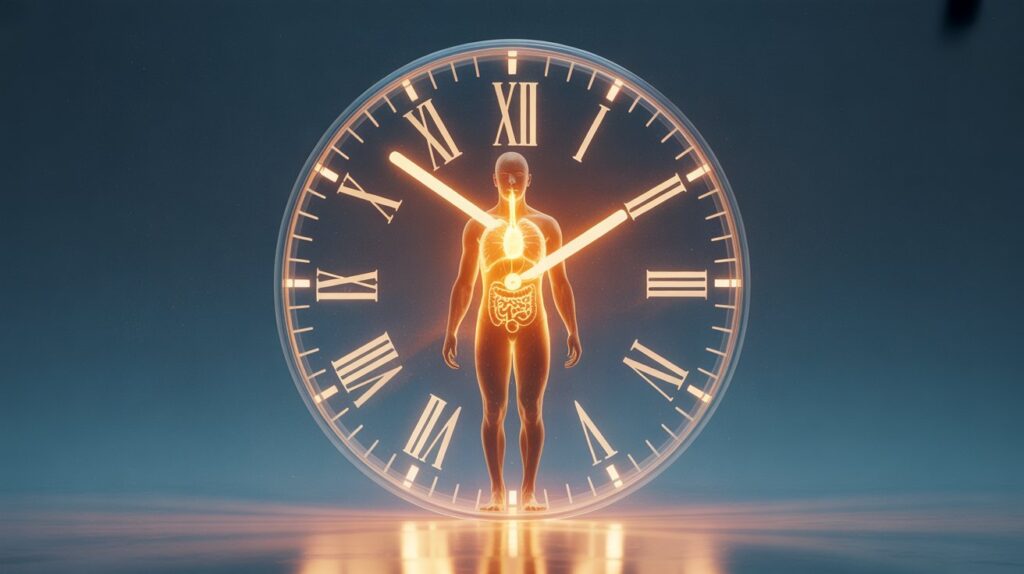
The Body’s Clock, scientifically called the circadian rhythm, is your internal timekeeper. It follows a roughly 24-hour cycle influenced mainly by light and darkness. This clock lives in a tiny region of the brain called the suprachiasmatic nucleus, but its influence spreads everywhere. It tells your body when to release hormones, when to repair cells, when to digest food efficiently, and when to rest deeply. Your energy peaks and crashes are not random moods; they are biological signals.
Research from the National Institutes of Health shows that over 80 percent of bodily functions follow circadian patterns. Body temperature, blood pressure, reaction time, and even pain sensitivity rise and fall predictably across the day. When The Body’s Clock is aligned, you wake up refreshed, focus deeply during the day, and sleep effortlessly at night. When misaligned, the same tasks feel draining, no matter how motivated you are.
Read more: Foods That Destroy Your Memory: 9 Dangerous Choices to Stop Eating Today
A Body’s Clock and Sleep: The Hidden Repair Window
Sleep is the most visible function of The Body’s Clock, but its role goes far beyond rest. As night falls and light decreases, melatonin rises, signalling the body to prepare for sleep. Between 10 PM and 2 AM, the body enters its most powerful repair phase. Growth hormone secretion peaks around midnight, helping rebuild muscles, repair tissues and strengthen immunity.
Studies published in Sleep Medicine Reviews show that people who sleep in alignment with The Body’s Clock experience deeper sleep cycles and better hormonal balance than those who sleep late but still get eight hours. Sleeping at the wrong biological time reduces sleep quality, even if duration remains the same. This explains why late-night sleepers often feel tired despite long sleep hours. The timing of sleep matters as much as the quantity.
Read more: Morning Walk Is Medicine: 15 Powerful Reasons It Can Transform Your Life Positively
How The Human Body’s Clock Controls Hormones and Mood
Hormones are messengers, and The Body’s Clock is their conductor. Cortisol, often misunderstood as a stress hormone, naturally rises around 6 AM to help you wake up alert and ready. Testosterone and estrogen peak in the morning, build confidence, muscle strength, and reproductive health. Melatonin rises at night, calming the nervous system and lowering body temperature.
When The Body’s Clock is disrupted, these hormones lose rhythm. Cortisol may stay high at night, causing anxiety and insomnia. Melatonin may drop too late, delaying sleep. Research from Harvard Medical School links circadian disruption to higher rates of depression, anxiety, and burnout. Mood swings are not always emotional weakness; they are often biological confusion caused by a clock that no longer knows what time it is.
Read more: Capsule Isn’t Always the Answer: 7 Powerful Truths About Water as Medicine
The Human Body’s Clock and Digestion
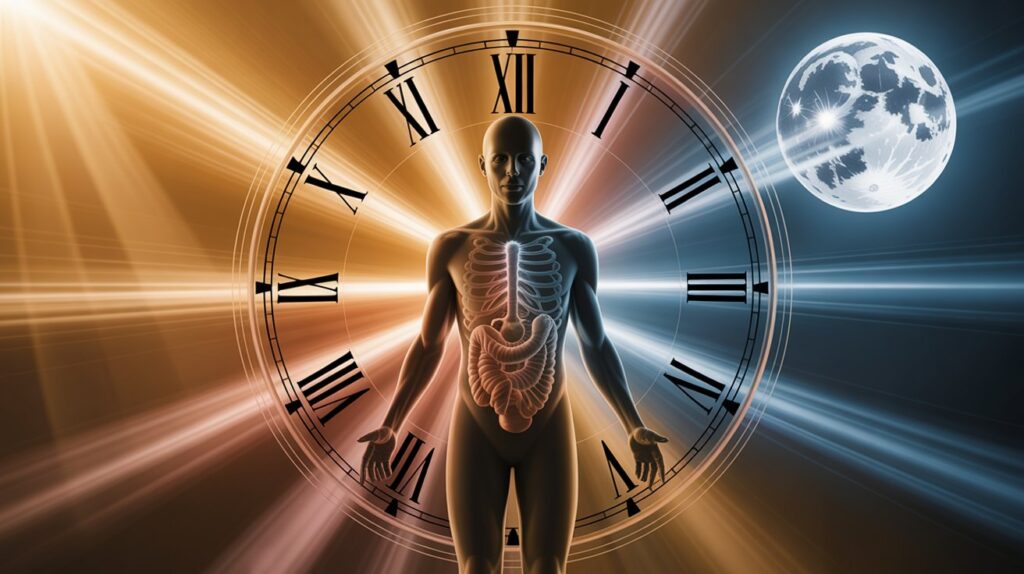
Your digestive system also runs on The Body’s Clock. Enzymes, stomach acid, and insulin sensitivity follow daily rhythms. In the morning and early afternoon, digestion is efficient. At night, the gut slows down to allow repair and rest. Eating late confuses this process.
A 2023 study in Cell Metabolism showed that people who eat most of their calories earlier in the day have better blood sugar control and lower inflammation than those who eat late at night. Late dinners force the body to digest when it should be repairing, increasing the risk of acid reflux, weight gain and metabolic disorders. Aligning meals with The Body’s Clock is a simple yet powerful health upgrade.
Daily Timeline of Body’s Clock
| Time | What The Body’s Clock Does |
|---|---|
| 6:00 AM | Cortisol rises, body prepares to wake |
| 8:30 AM | Bowel movements most likely |
| 9:00 AM | Sex hormones peak |
| 10:00 AM | Highest alertness |
| 2:00 PM | Peak motor coordination |
| 5:00 PM | Highest muscle strength |
| 7:00 PM | Blood pressure peaks |
| 10:00 PM | Melatonin secretion begins |
| 12:00 AM | Growth hormone release |
| 1–2 AM | Deepest sleep |
| 3–6 AM | REM sleep dominates |
| 4:00 AM | Lowest body temperature |
This rhythm explains why mornings feel sharp, afternoons feel strong and nights feel calm when life is aligned.
Read more: Shocking Truth: 12 Common Food Preservatives Which Increased Risk of Cancer
The Body’s Clock and Productivity
Modern productivity ignores biology. The Body’s Clock shows that focus peaks in the late morning, while creativity often rises in the afternoon. Forcing deep analytical work late at night fights your natural rhythm. According to Stanford University research, cognitive performance can drop by up to 20 percent when tasks are done outside optimal circadian windows.
People who align work with The Body’s Clock report higher efficiency and less burnout. Short breaks during natural energy dips, usually after lunch, prevent fatigue. Understanding your internal clock transforms productivity from willpower to wisdom. Instead of pushing harder, you flow with biology, and results follow naturally.
The Body’s Clock and Exercise
Exercise effectiveness changes with The Body’s Clock. Muscle strength, flexibility, and reaction time peak in the late afternoon and early evening. This is why many athletes perform best between 4 PM and 7 PM. Morning exercise still has benefits, especially for fat metabolism and habit consistency, but intense strength training often feels easier later in the day.
A 2022 study in Frontiers in Physiology found that evening workouts improved performance and reduced injury risk compared to early morning sessions. The key is consistency aligned with personal rhythm. The Body’s Clock rewards routine more than perfection.
Modern Life vs The Body’s Clock
Artificial light, especially blue light from screens, confuses The Body’s Clock by suppressing melatonin. Night shifts, irregular schedules, and social jet lag push the clock out of sync. The World Health Organization classifies chronic circadian disruption as a probable health risk factor.
Shift workers show higher rates of obesity, diabetes, heart disease, and even certain cancers. This is not due to laziness or poor choices but biological mismatch. Respecting The Body’s Clock is becoming a public health priority, not just a wellness trend.
How Sunlight Resets The Human Body’s Clock Naturally
Morning sunlight is the strongest signal for The Body’s Clock. Just 10 to 20 minutes of natural light exposure after waking helps anchor your rhythm. Sunlight tells the brain that the day has started, aligning cortisol, melatonin, and sleep timing.
Research from the University of Colorado shows that people who spend time outdoors reset their circadian rhythm within days, sleeping earlier and deeper. Sunlight is not optional; it is biological information. Without it, the clock drifts, and health follows.
Read more: BRAT Diet Explained: Gentle Healing Foods for Stomach Recovery
The Body’s Clock and Long Time Overall Health
Chronic misalignment of The Body’s Clock increases inflammation, weakens immunity, and accelerates aging. A large study in The Lancet found that irregular sleep patterns were associated with higher mortality risk, even when total sleep time was adequate.
Your cells depend on timing. DNA repair, detoxification, and immune surveillance peak at night. Ignoring this rhythm shortens healthspan. Aligning daily habits with The Body’s Clock is one of the most cost-effective longevity strategies available today.
Read more: Chia Seed: The Tiny Superfood With Big Health Benefits
Conclusion
The Body’s Clock is not a trend, a hack or a lifestyle choice. It is a biological law. When you respect it, energy rises, sleep deepens, mood stabilizes, and health improves naturally. When you fight it, even the best diets, workouts, and supplements struggle to work.
The most powerful health upgrade is not adding more effort but removing friction between your life and your biology. Start small. Wake with sunlight, eat earlier, sleep consistently and let The Body’s Clock guide you. Share this knowledge, because understanding time may be the missing medicine of our generation.
Frequently Asked Questions (FAQs)
The Body’s Clock is your internal timing system that follows a 24-hour cycle. It regulates sleep, hormones, digestion, energy and mental focus. It responds mainly to light and darkness, helping your body know when to be active and when to rest. When aligned, it supports health and performance. When disrupted, it contributes to fatigue, poor sleep and long term disease risk.
Yes, The Body’s Clock can be reset through consistent routines. Morning sunlight exposure, regular sleep and wake times, earlier meals, and reduced screen use at night are the most effective tools. Most people notice improvements in sleep and energy within one to two weeks of consistent alignment.
Sleeping against The Body’s Clock reduces sleep quality. If you sleep too late or at inconsistent times, your body may miss deep repair phases. Duration alone is not enough. Timing matters. Aligning sleep with natural circadian rhythms improves restfulness even with the same number of hours.
Yes, misalignment affects insulin sensitivity, hunger hormones, and fat storage. Late eating and irregular sleep increase the risk of weight gain. Studies show that eating earlier in the day and sleeping consistently improves metabolic health, even without calorie changes.
The core rhythm is universal, but timing varies slightly. Some people are naturally earlier or later chronotypes. However, extreme night schedules conflict with human biology. Even night owls benefit from sunlight exposure and regular routines aligned as closely as possible to natural cycles.