
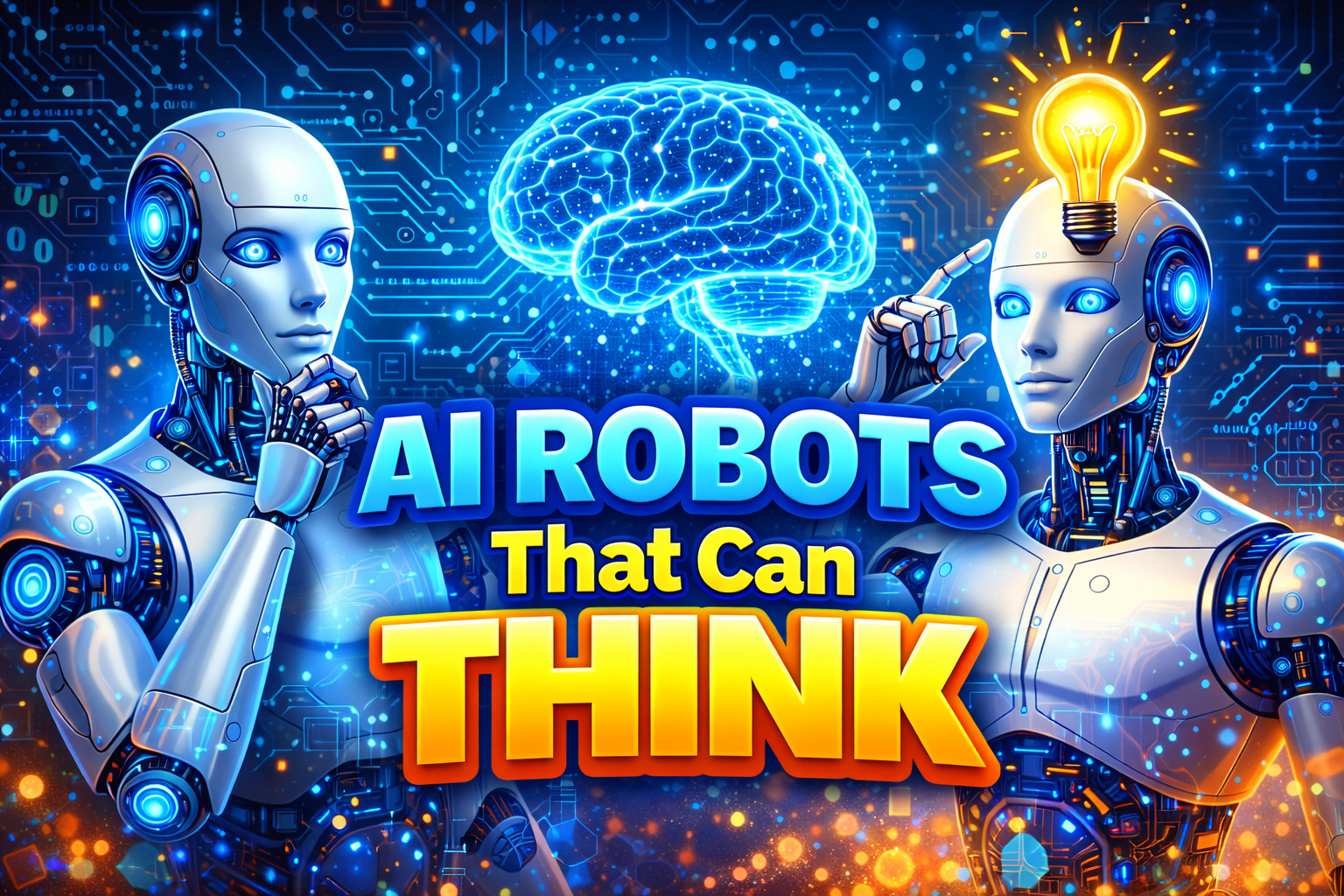

AI Robots That Can Think, Learn and Adapt are no longer just science fiction ideas seen in movies. They are real, powerful and already shaping the world around us. From self learning machines in factories to intelligent humanoid robots assisting doctors, these advanced systems are changing how humans live, work and think. The speed at which artificial intelligence and robotics are evolving has raised an important question that humanity must face today. Are humans truly ready for robots that can think, learn and adapt on their own?
This topic is not about fear. It is about awareness, preparation and understanding. AI robots that can think, learn and adapt are designed to improve efficiency, reduce human effort and solve complex problems. However, they also challenge traditional jobs, ethics, privacy and human control.
Read more: Your Health Isn’t in a Capsule: 7 Powerful Truths a Doctor Reveals About Real Wellness
Table of Contents
🧩 What Are AI Robots That Can Think, Learn and Adapt?
AI Robots That Can Think, Learn and Adapt are intelligent machines powered by artificial intelligence, machine learning and deep neural networks. Unlike traditional robots that follow fixed instructions, these advanced robots can analyse data, understand situations, learn from experiences and adjust their actions over time.
Thinking robots use reasoning algorithms to make decisions. Learning robots improve their performance by studying patterns and feedback. Adaptive robots change their behavior based on new environments or challenges. Together, these abilities make AI robots more independent and capable than ever before.
These robots are used in healthcare, manufacturing, education, space research, defense, customer service and even homes. Their intelligence grows with time, making them more efficient and accurate.
Read more: Future of AI Programming: 10 Powerful Changes Shaping a Smart World
🌍 Why AI Robots That Can Think, Learn and Adapt Matter Today
The rise of AI robots that can think, learn and adapt matters because they directly impact human society. These robots are not tools anymore; they are systems that evolve. They can outperform humans in speed, memory and precision. This power can create growth and innovation, but it can also create disruption.
Industries are adopting intelligent robots to reduce costs and increase productivity. Governments are exploring AI-powered defense and surveillance systems. Students are learning with AI tutors. Doctors are assisted by robotic surgeons. All these changes demand human readiness at emotional, ethical and economic levels.
📊 Traditional Robots vs AI Robots
| Feature | Traditional Robots | AI Robots That Can Think, Learn and Adapt |
|---|---|---|
| Intelligence Level | Fixed programming | Self-learning intelligence |
| Decision Making | Predefined rules | Real-time reasoning |
| Learning Ability | None | Continuous learning |
| Adaptability | Very limited | High adaptability |
| Human Interaction | Minimal | Natural and interactive |
| Error Handling | Manual correction | Self correction |
This table clearly shows why AI robots that can think, learn and adapt are fundamentally different and more powerful.
🏭 Real World Applications of AI Robots That Can Think, Learn and Adapt
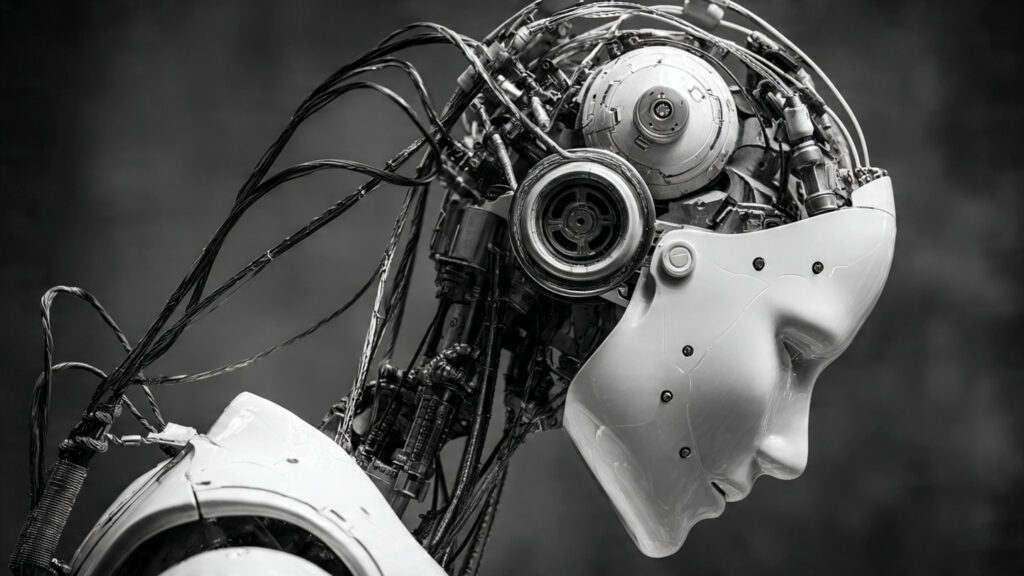
AI robots that can think, learn and adapt are already part of daily life. In healthcare, they assist in surgeries, diagnose diseases, and monitor patients. In manufacturing, they predict machine failures and optimize production. In agriculture, they analyze soil, weather, and crops for better yield.
Education is changing with AI tutors that understand student weaknesses and adapt teaching styles. Smart homes use adaptive robots for cleaning, security and assistance. Even space missions rely on intelligent robots to explore dangerous environments where humans cannot go.
Read more: Google 6-7 Meme Trend: Shocking Screen Shake by Typing “67”
⚖️ Benefits of AI Robots That Can Think, Learn and Adapt
The biggest benefit of AI robots that can think, learn and adapt is efficiency. These robots work faster, longer, and with fewer errors. They reduce human risk in dangerous jobs like mining, firefighting, and disaster response. They also help in decision-making by analysing massive data in seconds. Businesses gain accuracy, healthcare improves patient outcomes and research accelerates innovation. When used responsibly, these robots can raise the quality of human life.
🌟 Benefits of AI Robots
- AI robots increase efficiency by performing complex tasks faster and with higher accuracy than humans, reducing errors and saving time across industries.
- These robots continuously improve through learning, allowing them to adapt to new situations without constant reprogramming.
- They enhance safety by handling dangerous jobs such as mining, disaster response and hazardous manufacturing processes.
- AI robots support better decision making by analysing large amounts of data and providing precise insights.
- They reduce operational costs for businesses by optimizing resources and minimizing waste.
- AI robots improve healthcare outcomes by assisting in diagnosis, surgery and patient monitoring.
- They enable innovation by freeing humans to focus on creativity, strategy and problem solving tasks.
Read more: Screen Fatigue Warning: 9 Powerful Habits to Instantly Feel Better
⚠️ Challenges and Risks Humans Must Face
Despite the advantages, AI robots that can think, learn and adapt come with serious challenges. Job displacement is one of the biggest concerns. Many roles may become automated, forcing workers to reskill.
Ethical issues arise when robots make decisions that affect human lives. Privacy risks grow as intelligent robots collect massive personal data. Control becomes a concern when machines act independently. Bias in AI learning can lead to unfair outcomes if not monitored properly.
⚠️Challenges and Risks
- Rapid job displacement is one of the biggest challenges as AI and intelligent robots increasingly replace repetitive and routine human roles across industries, creating employment uncertainty.
- Loss of human control is a serious risk because AI systems that think, learn and adapt may make decisions that are difficult for humans to fully understand or predict.
- Ethical dilemmas arise when intelligent machines are involved in life-critical decisions such as medical treatments, law enforcement actions, or military operations.
- Data privacy threats increase as AI robots collect, analyse and store massive amounts of personal and behavioural information.
- Bias in AI learning systems can lead to unfair or discriminatory outcomes if the data used for training is incomplete or flawed.
- Over dependence on intelligent machines may reduce human skills, critical thinking, and problem-solving abilities over time.
- Security risks grow as advanced AI systems can be targeted by cyberattacks, manipulation, or misuse by malicious actors.
- Economic inequality may widen because advanced AI technology is often controlled by large organizations, leaving smaller businesses and low skill workers behind.
- Psychological fear and anxiety increase among people who feel threatened by intelligent machines replacing human roles.
- Lack of clear laws and global regulations makes it difficult to control responsibility and accountability for AI-driven decisions.
Read more: 6G Technology
🧠 Are Humans Psychologically Ready?
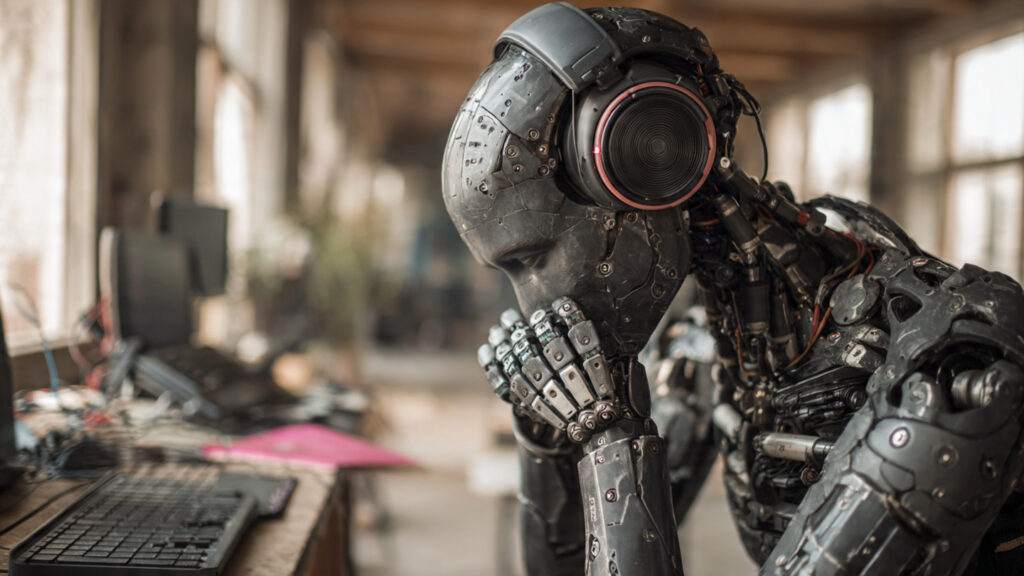
Human readiness is not just technical; it is emotional and psychological. Trusting machines to think and decide is difficult for many people. Fear of losing control or being replaced creates anxiety. Education and awareness play a key role. When people understand how AI robots that can think, learn and adapt work, fear reduces. Humans must learn to collaborate with intelligent machines instead of competing with them.
📜 Ethical and Legal Responsibility of AI Robots
AI robots that can think, learn and adapt raise deep ethical questions. Who is responsible if a robot makes a wrong decision? Can a machine be held accountable? How much autonomy should robots have?
Governments and organizations are working on AI regulations, but laws are still evolving. Ethical AI development requires transparency, fairness, and human oversight to ensure technology benefits everyone.
Read more: Cloud Security Tips: A Complete Guide to Protect Your Digital Data in the Cloud
🚀 Future of AI Robots That Can Think, Learn and Adapt
The future of AI robots that can think, learn and adapt is powerful and unavoidable. These robots will become more human-like in communication and understanding. They will helps aging populations, explore space and solve global problems like climate change.
Human readiness will define whether this future is positive or harmful. Skills like creativity, emotional intelligence and critical thinking will remain uniquely human. Collaboration between humans and AI robots will shape the next era.
🌟 At the End Humans and Intelligent Robots Must Grow Together
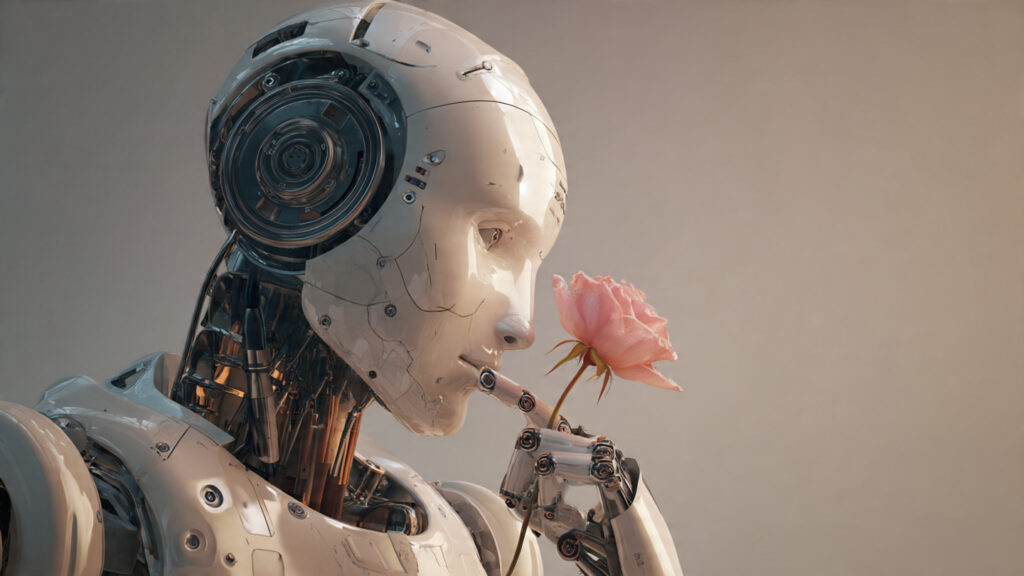
AI Robots That Can Think, Learn and Adapt are not enemies of humanity. They are mirrors reflecting human intelligence and innovation. The real question is not whether robots are ready, but whether humans are willing to adapt, learn and guide this technology responsibly.
With ethical planning, education and cooperation, AI robots that can think, learn and adapt can become powerful allies. The future belongs to those who understand technology and shape it with wisdom, not fear.
❓ Frequently Asked Questions (FAQs)
AI robots that can think, learn and adapt are intelligent machines that use artificial intelligence and machine learning to make decisions, improve through experience, and adjust to new environments. Unlike traditional robots, they do not rely on fixed instructions. These robots analyse data, understand patterns, and evolve their behaviour, making them useful in healthcare, education, manufacturing and many other fields.
AI robots that can think, learn and adapt can replace humans in repetitive and dangerous tasks, but they cannot fully replace human creativity, emotions and ethical judgment. Humans excel in empathy, imagination and complex moral decisions. The future is more about collaboration between humans and AI robots rather than complete replacement.
AI robots are not dangerous by default, but misuse and lack of regulation can create risks. Problems arise when ethical boundaries, data privacy and control systems are ignored. With responsible development, transparency and strong regulations, AI robots that can think, learn and adapt can remain safe and beneficial to humanity.
Humans can prepare by learning new skills, understanding AI basics and focusing on creativity and emotional intelligence. Education systems must evolve to teach collaboration with AI robots. Awareness and adaptability are the keys to staying relevant and confident in a world with intelligent machines.
The future of AI robots that can think, learn and adapt is filled with innovation and opportunity. These robots will assist in solving global challenges, improving healthcare and supporting daily life. Human guidance, ethical responsibility and continuous learning will determine how positive this future becomes.