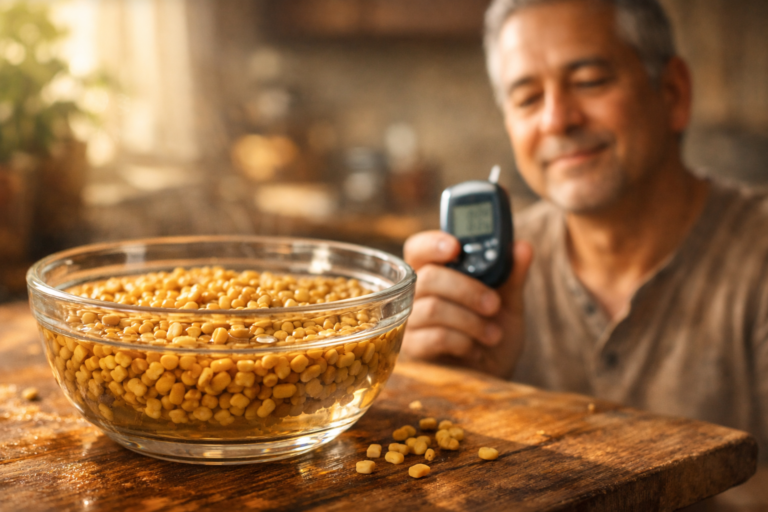
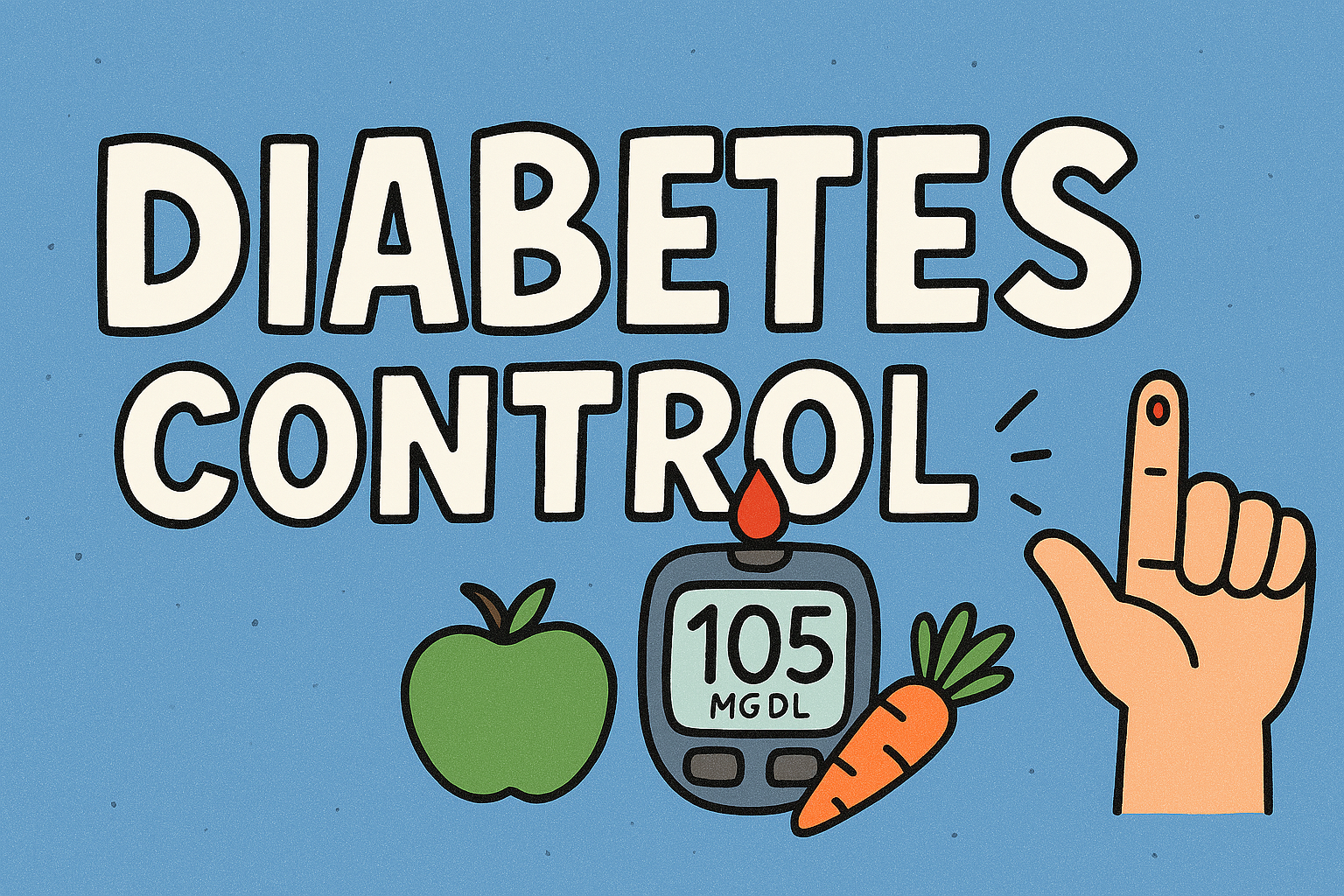

Diabetes is a long- erm health condition that affects how the body uses blood sugar also called glucose. When blood sugar rises suddenly after eating or due to stress, it is known as a blood sugar spike. Frequent spikes can damage the heart, kidneys, eyes, nerves and overall health over time. The good news is that diabetes can be managed effectively with simple daily habits. You do not always need complicated diets or expensive treatments. Small lifestyle changes, when followed consistently can help prevent sudden spikes and keep blood sugar levels steady throughout the day.
Table of Contents
✏️ What is Diabetes?
Diabetes is a long run health condition that affects how the body controls blood sugar also known as glucose. Glucose is the main source of energy for the body and comes from the food we eat. In a healthy body, a hormone called insulin helps move glucose from the blood into the cells to be used for energy. In diabetes, the body either does not produce enough insulin or cannot use insulin properly. As a result blood sugar levels become too high.
There are mainly three types of diabetes: Type 1 diabetes, Type 2 diabetes and gestational diabetes. If diabetes is not managed properly, it can lead to serious health problems such as heart disease, kidney damage, vision loss and nerve issues. Diabetes can be controlled with healthy eating, regular physical activity, proper medication and lifestyle changes. Early diagnosis and daily care help people with diabetes live a healthy and active life.
🔗 Symptoms of Diabetes
- Frequent urination, especially during the night due to excess sugar being removed from the body through urine
- Increased thirst caused by dehydration from frequent urination
- Unusual hunger even after eating meals regularly
- Unexplained weight loss despite normal or increased food intake
- Constant tiredness or lack of energy because the body cannot use glucose properly
- Blurred vision caused by high blood sugar affecting the eye lenses
- Slow healing of cuts, wounds or infections
- Frequent infections such as skin, gum or urinary tract infections
- Tingling, numbness, or pain in hands and feet due to nerve damage
- Dry skin and persistent itching
- Mood changes such as irritability or difficulty concentrating
If these symptoms appear regularly, it is important to check blood sugar levels and consult a healthcare professional for early diagnosis and proper management.
⚠️ Preventive Measures for Diabetes
🍽️ 1. Eat Meals at the Right Time
One of the biggest reasons for blood sugar spikes is eating unbalanced meals or skipping meals. When meals contain too many refined carbohydrates or sugars, glucose levels rise quickly. Balanced meals help slow down digestion and glucose absorption. A healthy plate should include fiber rich vegetables, good quality protein, healthy fats and controlled portions of carbohydrates. Eating at regular intervals also prevents sudden hunger which often leads to overeating or unhealthy food choices. Eating slowly and mindfully allows the body to respond better to insulin and reduces sudden glucose rises.
🌾 2. Choose Low Glycemic Index Foods Daily
The glycemic index or GI measures how quickly foods raise blood sugar levels. High GI foods cause rapid spikes, while low GI foods release sugar slowly into the bloodstream. Choosing low-GI foods helps keep blood sugar stable for longer hours. Whole grains, legumes, vegetables, fruits with fiber and minimally processed foods are better options. When you replace refined foods with whole foods, your body handles glucose more efficiently and insulin works better.
🚶 3. Stay Physically Active Every Day
Regular physical activity is one of the most powerful ways to lower blood sugar naturally. Exercise helps muscles use glucose for energy, which reduces sugar levels in the blood. It also improves insulin sensitivity, meaning the body needs less insulin to manage glucose. You do not need intense workouts. Simple activities like walking, stretching, yoga, cycling or household chores can make a big difference when done consistently. Even short movement breaks after meals can prevent post-meal sugar spikes.
🥗 4. Increase Fiber Intake for Better Control
Fiber slows down digestion and prevents rapid absorption of sugar into the bloodstream. People who consume enough dietary fiber usually experience fewer blood sugar spikes and better overall control. Fiber also supports gut health, improves digestion and helps in weight management, which is important for diabetes control. Natural fiber sources include vegetables, fruits with skin, whole grains, seeds and legumes. Adding fiber gradually prevents digestive discomfort and makes meals more filling.
💧 5. Drink Enough Water Throughout the Day
Dehydration can raise blood sugar levels by concentrating glucose in the blood. Drinking enough water helps the kidneys flush out excess sugar through urine and supports overall metabolism. Many people confuse thirst with hunger and eat unnecessary snacks, leading to sugar spikes. Staying hydrated reduces this confusion and helps maintain stable glucose levels. Plain water is the best choice, while sugary drinks should be avoided.
😴 6. Prioritize Quality Sleep Every Night
Poor sleep affects hormones that control blood sugar and appetite. Lack of sleep can increase insulin resistance, making it harder for the body to manage glucose effectively. People who do not sleep well often experience higher fasting blood sugar levels and increased cravings for sugary foods. Maintaining a regular sleep schedule, reducing screen time before bed and creating a calm sleeping environment can significantly improve blood sugar control.
🧘 7. Manage Stress to Avoid Sugar Fluctuations
Stress triggers the release of hormones like cortisol, which raises blood sugar levels. Chronic stress can cause frequent spikes even if diet and exercise are controlled. Simple stress management techniques such as deep breathing, meditation, prayer, yoga or spending time in nature help calm the nervous system. Emotional well-being plays a major role in diabetes management and should never be ignored.
⚖️ 8. Always Maintain a Healthy Body Weight
Excess body fat, especially around the abdomen, increases insulin resistance. Losing even a small amount of weight can significantly lower blood sugar levels and reduce spikes. Healthy weight management does not mean extreme dieting. It means adopting sustainable habits such as balanced eating, regular activity and mindful portions. Slow and steady progress is more effective and long-lasting.
🕒 9. Monitor Blood Sugar Levels Regularly
Regular monitoring helps you understand how your body reacts to different foods, activities and stress levels. When you know what causes spikes you can make better daily decisions. Tracking blood sugar also helps detect patterns early and prevents complications. It encourages consistency and keeps motivation high. Monitoring should be done as advised by healthcare professionals.
💊 10. Follow Medical Advice and Lifestyle Together
Medications when prescribed work best when combined with healthy lifestyle habits. Skipping medicines or relying only on food changes may lead to uncontrolled sugar levels. Regular health check ups, lab tests and consultations ensure that diabetes remains under control. Lifestyle habits helps medication effectiveness and may even reduce dependency over time when done correctly.
📊 Daily Habits and Their Impact on Blood Sugar
| Daily Habit | How It Helps Control Blood Sugar |
|---|---|
| Balanced meals | Prevents sudden glucose rise |
| Low GI foods | Slow sugar release into blood |
| Regular exercise | Improves insulin sensitivity |
| High fiber intake | Reduces sugar absorption |
| Proper hydration | Flushes excess glucose |
| Quality sleep | Balances insulin hormones |
| Stress management | Lowers cortisol-related spikes |
| Healthy weight | Improves glucose metabolism |
| Sugar monitoring | Identifies spike triggers |
| Medical consistency | Maintains long-term control |
🌟 Conclusion
Preventing blood sugar spikes and lowering glucose levels does not require perfection. It requires consistency. Simple habits practiced daily can protect your health, increase energy levels and reduce the risk of diabetes complications. When lifestyle, mindset and medical care work together, diabetes becomes manageable rather than overwhelming. Start with one or two changes today and gradually build a healthier routine that helps long term health.
❓ Frequently Asked Questions (FAQs)
Yes, many people manage spikes effectively through diet, exercise, stress control and sleep, though some may still need medication.
Some improvements can be seen within a few days to weeks depending on consistency and individual health conditions.
Yes, when eaten in moderation and combined with fiber or protein, fruits can be part of a healthy diabetes diet.