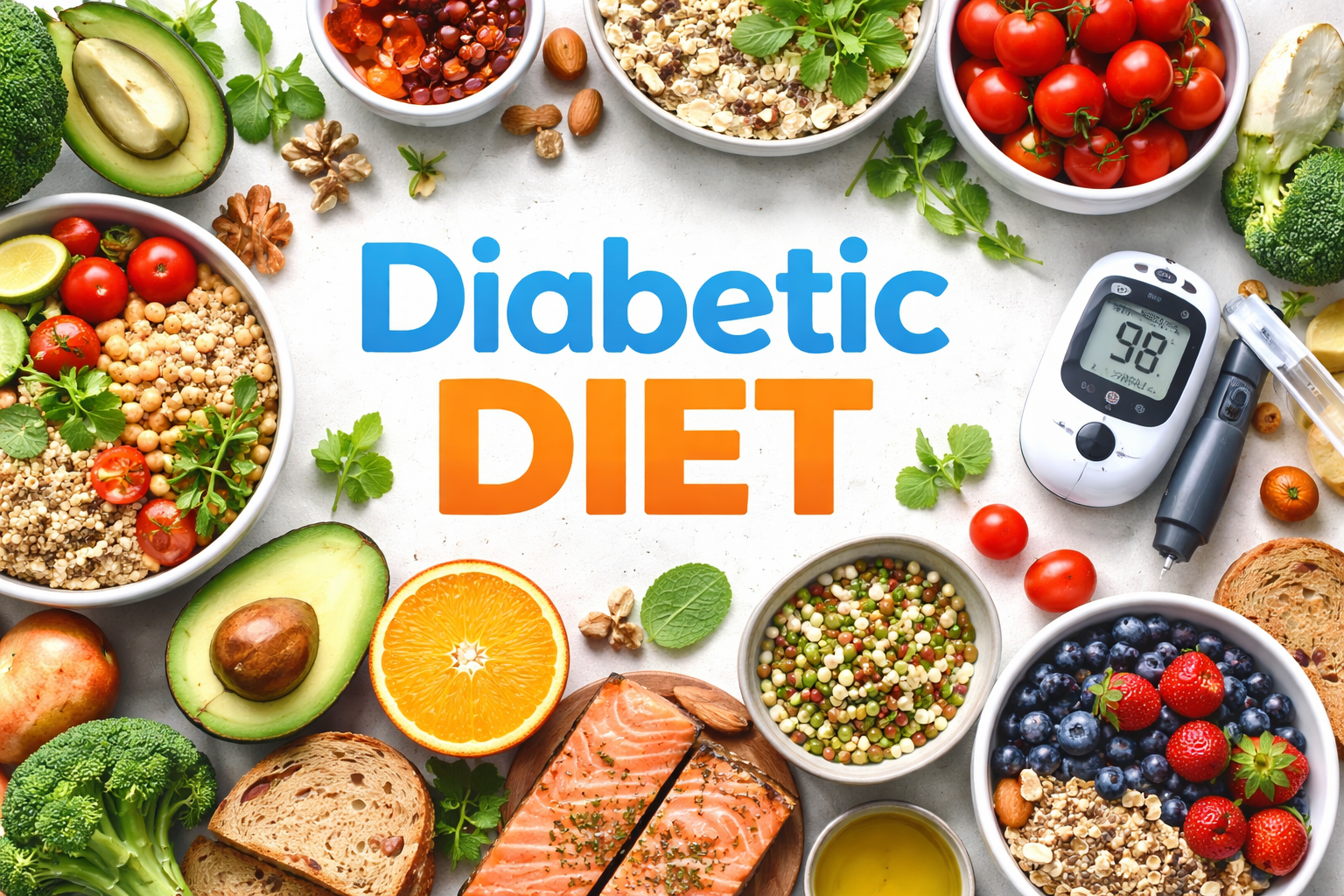

A diabetic diet is not about strict food restrictions or giving up everything you love. It is about making smarter food choices that help control blood sugar levels, maintain a healthy weight and prevent long term complications. Diabetes affects millions of people worldwide and diet plays a crucial role in managing this condition effectively. Whether you are newly diagnosed, prediabetic or supporting a loved one, understanding a diabetic diet can bring positive and lasting health changes. A well planned diabetic diet provides balanced nutrition, steady energy and better glucose control. When followed consistently, it can reduce medication dependence and improve overall quality of life.
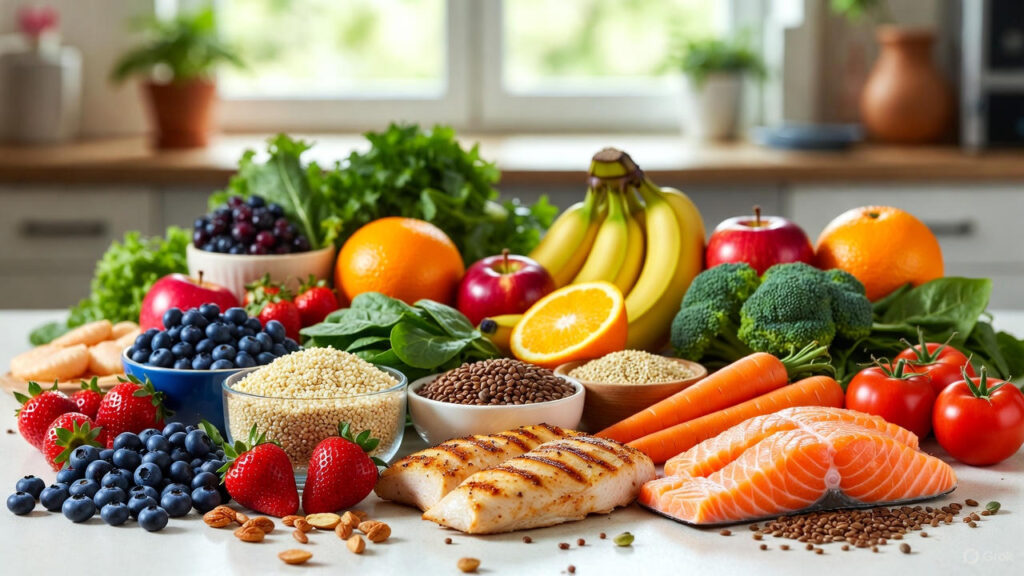
Table of Contents
🩺 What Is a Diabetic Diet?
A diabetic diet is a structured eating plan designed to keep blood sugar levels within a healthy range. It focuses on balanced portions of carbohydrates, proteins, healthy fats, vitamins and minerals. The goal is to avoid sudden spikes and drops in blood sugar while ensuring the body receives all essential nutrients. Unlike common myths, a diabetic diet is suitable for all age groups and can be followed by the entire family. It encourages wholesome, natural foods and limits highly processed items.
🥦 Key Principles of a Healthy Diabetic Diet
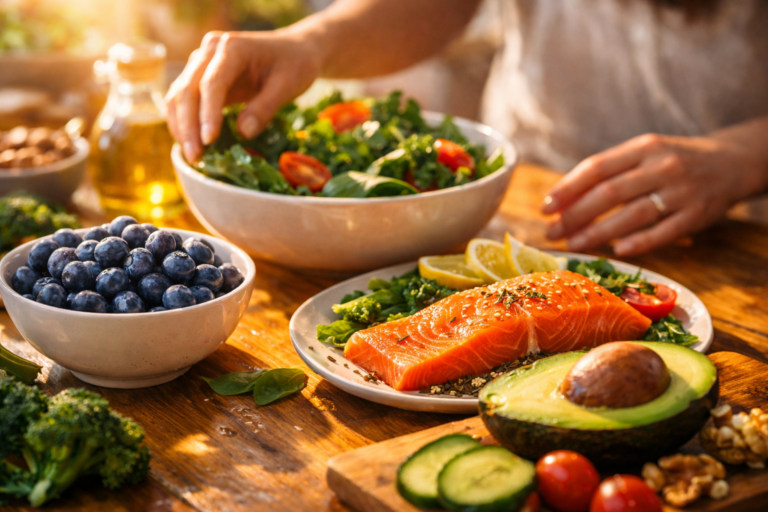
The foundation of a diabetic diet lies in balance, moderation and consistency. Eating meals at regular intervals helps maintain stable blood sugar levels. Choosing complex carbohydrates instead of refined ones ensures slow glucose release. Including fiber rich foods helps digestion and sugar control. Adequate protein intake helps manage hunger and maintain muscle mass, while healthy fats improve heart health. Hydration is equally important, as drinking enough water helps the body manage glucose efficiently.
📊 Diabetic Diet Food Chart
| Food Category | Best Choices | Health Benefits |
|---|---|---|
| Whole Grains | Brown rice, oats, whole wheat roti | Slow sugar release and better digestion |
| Vegetables | Spinach, broccoli, carrots, beans | Rich in fiber and antioxidants |
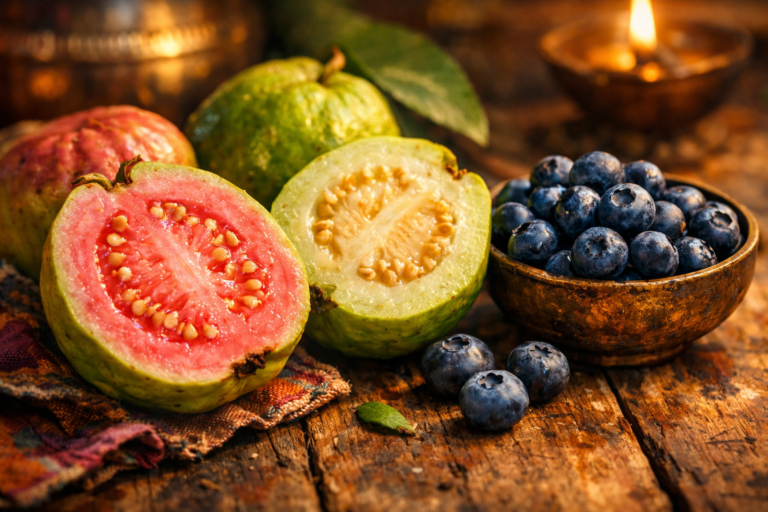
| Fruits | Apple, guava, berries, pear | Low glycemic impact and vitamins |
| Proteins | Lentils, eggs, fish, paneer | Blood sugar stability and muscle health |
| Healthy Fats | Nuts, seeds, olive oil | Heart protection and inflammation control |
| Dairy | Low-fat milk, curd, yogurt | Calcium helps without sugar spikes |
🍽️ Meal Planning for a Diabetic Diet
Planning meals ahead is one of the most effective ways to manage diabetes. A balanced diabetic meal includes controlled portions of carbohydrates paired with protein and fiber. Breakfast should be nourishing and filling to avoid mid-morning sugar dips. Lunch should be balanced and satisfying, while dinner should be light and easy to digest. Spacing meals evenly throughout the day helps prevent extreme blood sugar fluctuations and supports metabolic health.
| Time of the Day | Meal | Recommended Foods | Health Purpose |
|---|---|---|---|
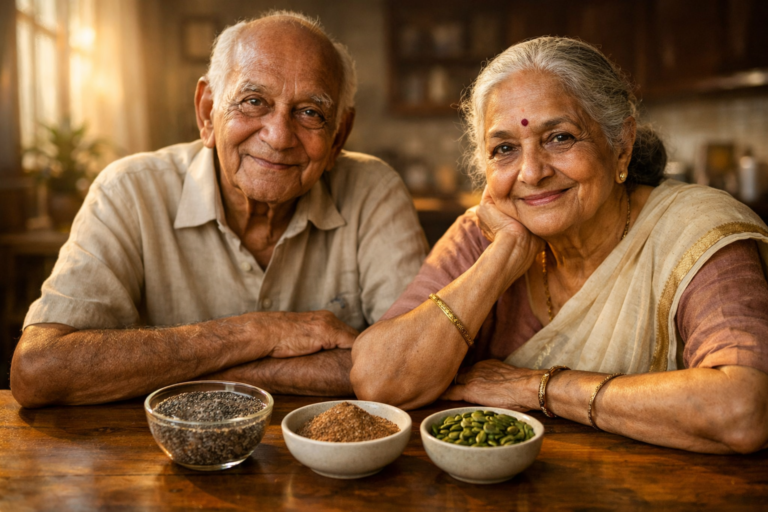
| Early Morning | Morning Start | Warm water with soaked fenugreek seeds or plain warm water | Helps improve insulin sensitivity and digestion |
| Breakfast | Balanced Breakfast | Vegetable oats or vegetable upma with one boiled egg or paneer | Provides steady energy and prevents sugar spikes |
| Mid-Morning | Light Snack | One whole fruit like apple, guava or pear | Supplies fiber and natural vitamins |
| Lunch | Main Meal | One or two whole wheat rotis or small portion of brown rice with dal, mixed vegetable sabzi and curd | Maintains balanced blood sugar and keeps you full |
| Afternoon | Small Snack | Roasted chana or handful of nuts with green tea | Prevents low sugar levels and controls hunger |
| Evening | Evening Snack | Vegetable soup or sprouts chaat | Helps digestion and avoids unhealthy snacking |
| Dinner | Light Dinner | One roti with leafy vegetable sabzi and grilled paneer or fish | Keeps dinner light and sugar levels stable overnight |
| Bedtime | Optional (if needed) | Warm turmeric milk or a few soaked almonds | Prevents night-time sugar drop and supports sleep |
🥗 Vegetarian Diabetic Meal Plan (Whole Day)
| Time | Meal | Food Options | Benefit |
|---|---|---|---|
| Early Morning | Morning Start | Warm water with soaked fenugreek seeds | Improves insulin response and digestion |
| Breakfast | Healthy Breakfast | Vegetable oats or moong dal chilla with curd | Slow sugar release and long lasting energy |
| Mid Morning | Fruit Intake | One apple, guava, or pear | Provides fiber and natural sweetness |
| Lunch | Main Meal | Two whole wheat rotis or small brown rice portion with dal, mixed vegetable sabzi and curd | Balanced nutrition and sugar control |
| Afternoon | Snack | Roasted chana or handful of almonds | Prevents hunger and sugar fluctuation |
| Evening | Light Snack | Vegetable soup or sprouts salad | Keeps metabolism active |
| Dinner | Light Dinner | One roti with paneer or tofu sabzi and leafy vegetables | Easy digestion and stable night sugar |
| Bedtime | Optional | Warm turmeric milk or soaked almonds | Prevents night-time hypoglycemia |
🥗 7 Day Vegetarian Diabetic Diet Chart
| Day | Breakfast | Mid-Morning | Lunch | Evening Snack | Dinner |
|---|---|---|---|---|---|
| Day 1 | Vegetable oats with curd | Apple | 2 rotis, dal, mixed veg, curd | Roasted chana | 1 roti, paneer bhurji, salad |
| Day 2 | Moong dal chilla | Guava | Brown rice, rajma, veg sabzi | Nuts | 1 roti, tofu sabzi |
| Day 3 | Vegetable upma | Pear | 2 rotis, chole, bhindi | Sprouts chaat | Vegetable soup, 1 roti |
| Day 4 | Besan chilla | Papaya | Brown rice, curd, lauki sabzi | Roasted makhana | Paneer tikka, salad |
| Day 5 | Idli with sambar | Orange | 2 rotis, dal, cabbage sabzi | Green tea + nuts | 1 roti, mixed veg |
| Day 6 | Poha with vegetables | Apple | Brown rice, curd, beans sabzi | Sprouts salad | Tofu stir fry |
| Day 7 | Vegetable omelette substitute (paneer scramble) | Guava | 2 rotis, dal, carrot sabzi | Roasted peanuts | Vegetable soup, 1 roti |
🍗 Non Vegetarian Diabetic Meal Plan (Whole Day)
| Time | Meal | Food Options | Benefit |
|---|---|---|---|
| Early Morning | Morning Start | Warm water with soaked fenugreek seeds | Supports glucose metabolism |
| Breakfast | Protein Rich Breakfast | Vegetable omelette with one slice whole wheat toast | Keeps sugar stable and improves satiety |
| Mid Morning | Fruit Intake | One bowl papaya or berries | Low glycemic fruit for vitamins |
| Lunch | Main Meal | Two rotis or small brown rice portion with grilled chicken or fish, vegetable sabzi, and curd | Controls blood sugar and helps muscle health |
| Afternoon | Snack | Boiled eggs or roasted chana | Prevents energy drop |
| Evening | Light Snack | Clear chicken soup or vegetable soup | Reduces cravings and aids digestion |
| Dinner | Light Dinner | One roti with grilled fish or chicken and sautéed vegetables | Light protein rich meal for night control |
| Bedtime | Optional | Warm turmeric milk or few almonds | Helps sleep and sugar balance |
🍗 7 Day Non Vegetarian Diabetic Diet Chart
| Day | Breakfast | Mid-Morning | Lunch | Evening Snack | Dinner |
|---|---|---|---|---|---|
| Day 1 | Vegetable omelette | Apple | 2 rotis, grilled chicken, veg sabzi | Boiled egg | Fish curry, salad |
| Day 2 | Boiled eggs with toast | Guava | Brown rice, fish curry, veg | Roasted chana | Chicken stir fry |
| Day 3 | Egg bhurji | Pear | 2 rotis, chicken curry, salad | Nuts | Clear chicken soup |
| Day 4 | Omelette with veggies | Papaya | Brown rice, grilled fish | Boiled eggs | 1 roti, veg sabzi |
| Day 5 | Scrambled eggs | Orange | 2 rotis, chicken tikka, veg | Sprouts salad | Fish curry |
| Day 6 | Vegetable omelette | Apple | Brown rice, egg curry | Nuts | Grilled chicken, salad |
| Day 7 | Egg toast (whole wheat) | Guava | 2 rotis, fish curry, veg | Roasted peanuts | Clear soup, 1 roti |
🚩In Indian Diabetic Diet: Cultural and Practical Approach
An Indian diabetic diet can be both tasty and healthy. Traditional foods like dal, sabzi, roti and curd fit well into a diabetic meal plan when prepared with minimal oil and balanced portions. Using millets instead of refined rice, choosing steamed or grilled dishes, and limiting sugary sweets can significantly improve sugar control. Spices like turmeric, cinnamon and fenugreek are commonly used in Indian cooking and may support blood sugar regulation when included naturally.
⚖️ Diabetic Diet and Weight Management
Maintaining a healthy weight is closely linked to diabetes control. A diabetic diet naturally supports weight management by reducing empty calories and encouraging nutrient-dense foods. Consistent eating habits, mindful portions, and avoiding late-night overeating contribute to sustainable weight loss or maintenance. Weight control improves insulin sensitivity and reduces the risk of complications such as heart disease and joint problems.
🚫 Foods to Limit in a Diabetic Diet
Certain foods can cause rapid blood sugar spikes and should be limited. These include refined sugar, white bread, deep-fried snacks, sugary beverages and packaged foods with hidden sugars. Excessive salt and unhealthy fats may also increase the risk of high blood pressure and heart disease, which are common in people with diabetes. Being aware of food labels and cooking methods helps make healthier daily choices.
🧠 Benefits of Following a Diabetic Diet
A consistent diabetic diet offers long term benefits beyond blood sugar control. It supports heart health, improves digestion, boosts energy levels and enhances mental clarity. Many people experience better sleep quality and reduced stress once blood sugar levels stabilize. Over time, a healthy diet can prevent complications such as nerve damage, kidney issues and vision problems.
🌱 Diabetic Diet for All Age Groups
A diabetic diet is adaptable for children, adults, and seniors. For younger individuals, it supports growth and energy needs. For adults, it balances work-life demands and health goals. For seniors, it focuses on easy digestion, bone strength, and steady glucose control. The simplicity and flexibility of a diabetic diet make it suitable for lifelong adherence.
🚀 Strong Call to Action
Managing diabetes starts with the food on your plate. A well-planned diabetic diet can transform your health, boost your confidence, and protect your future. Start making smarter food choices today, consult a nutrition expert if needed, and commit to a healthier lifestyle. Take control of your blood sugar now and enjoy a happier, stronger and more energetic life starting today.
❓ Frequently Asked Questions (FAQs)
The best diabetic diet is one that includes whole grains, vegetables, lean proteins, healthy fats and limited refined sugar. It should focus on balanced meals eaten at regular intervals to maintain stable blood sugar levels. Personal preferences, lifestyle and cultural food habits should be considered to make the diet sustainable and effective over the long term.
Yes, a diabetic person can eat rice in moderation. Choosing brown rice, parboiled rice or small portions of white rice combined with vegetables and protein helps reduce blood sugar spikes. Portion control and pairing rice with fiber rich foods are key to safe consumption.
The core principles are similar, focusing on balanced nutrition and sugar control. However, type 1 diabetes requires closer coordination with insulin timing, while type 2 diabetes emphasizes weight management and insulin sensitivity. A personalized approach with medical guidance is always recommended.
A diabetic diet cannot completely cure diabetes but it can significantly improve blood sugar control. In some cases of type 2 diabetes, consistent healthy eating combined with physical activity may lead to remission, reducing or eliminating the need for medication under medical supervision.
Many people notice improved energy levels and better blood sugar readings within a few weeks. Long term benefits such as weight loss, improved cholesterol and reduced complications develop over months of consistent dietary habits and lifestyle changes.