
You can swallow pills chase supplements and follow every health trend but your body already has the strongest medicine built in. Sleep is medicine and most people are dangerously underdosing it.
Sleep is medicine because it repairs your brain balances your hormones strengthens your immune system and quietly heals damage before you feel pain. Yet modern life treats sleep like a luxury not a necessity. This article explains why sleep works like a powerful natural drug how science proves it and how reclaiming it can transform your energy mood focus and long-term health.
Read more: Yoga is a Medicine: 7 Powerful Truths That Can Heal Your Body Naturally
Table of Contents
Introduction
Sleep is medicine because it is the only time when the body enters full repair mode. While you rest your brain clears waste your cells regenerate hormones rebalance and your immune system strengthens its defense. This is not wellness folklore. It is proven biology supported by decades of sleep research neuroscience and clinical medicine. Modern lifestyles filled with screens stress and constant stimulation have silently reduced sleep quality worldwide. According to global health data more than one third of adults now sleep less than six hours a night which is far below the level needed for healing.
This article breaks down the science behind sleep as medicine using real examples current data and simple explanations. You will understand how sleep works like a pharmacy inside your body and why no supplement or productivity hack can replace it. Most importantly you will learn how to use sleep intentionally as a daily healing tool.
Read more: Why Your Calf Is the 2nd Heart: 7 Powerful Ways Calf Muscles Protect Your Heart Health
Medicine for Brain and Memory
Sleep is medicine for the brain because it performs deep neurological cleaning every night. During deep sleep the brain activates a system called the glymphatic pathway which flushes out toxic waste including beta-amyloid proteins linked to Alzheimer’s disease. Scientists discovered that the brain actually shrinks slightly during sleep allowing cerebrospinal fluid to wash through neural tissue like a rinse cycle.
Memory formation also depends on sleep. Studies from Harvard Medical School show that people who sleep seven to nine hours retain information up to forty percent better than those who do not. During sleep your brain replays experiences from the day strengthening useful connections and deleting unnecessary ones. This is why a good night of sleep often leads to clarity insight and emotional balance the next day. Without enough sleep the brain becomes foggy impulsive and emotionally reactive making even simple decisions feel overwhelming.
Medicine for Hormones and Metabolism
Sleep is medicine for hormonal balance because it controls the chemical messengers that regulate hunger stress growth and repair. When sleep is cut short cortisol the stress hormone rises while insulin sensitivity drops. This creates a perfect storm for weight gain fatigue and chronic inflammation. Research published in The Lancet shows that sleeping less than six hours increases the risk of type two diabetes by up to thirty percent.
Hunger hormones are also affected. Lack of sleep raises ghrelin which increases appetite and lowers leptin which signals fullness. This explains why sleep-deprived people crave sugar refined carbs and late-night snacks. Growth hormone which repairs muscles tissues and organs is released primarily during deep sleep. Skipping sleep is like skipping your body’s nightly maintenance cycle. Over time hormonal imbalance leads to burnout low libido weakened immunity and accelerated aging.
Read more: Foods That Destroy Your Memory: 9 Dangerous Choices to Stop Eating Today
Medicine for the Immune System
Sleep is medicine because it strengthens immune defenses at the cellular level. During sleep your body produces cytokines which are proteins that help fight infection inflammation and stress. When sleep is restricted cytokine production drops while inflammation markers rise. This makes you more vulnerable to viruses bacterial infections and slower recovery.
A landmark study from the University of California found that people who slept less than six hours were four times more likely to catch a cold after virus exposure compared to those who slept more than seven hours. Vaccines also work better when you sleep well. Antibody response improves significantly after quality sleep which means your body remembers threats more effectively. This is why doctors emphasize rest during illness. Sleep is not passive. It is active immune training happening every night.
Medicine for Heart Health
Sleep is medicine for the heart because it regulates blood pressure heart rate and vascular repair. During healthy sleep blood pressure naturally drops giving the heart time to rest. Chronic sleep deprivation keeps the cardiovascular system in a constant state of strain. According to the American Heart Association sleeping less than six hours increases the risk of heart attack stroke and hypertension.
Inflammation plays a key role here. Poor sleep raises C-reactive protein levels which damage blood vessels over time. Sleep also affects cholesterol metabolism and glucose regulation both critical for heart health. People who prioritize sleep often show improved heart rate variability which is a marker of cardiovascular resilience. In simple terms sleep gives your heart a break so it can keep working longer and stronger.
Read more: Morning Walk Is Medicine: 15 Powerful Reasons It Can Transform Your Life Positively
Medicine for Mental Health and Emotions
Sleep is medicine for emotional stability because it recalibrates the brain’s emotional center. The amygdala which processes fear and stress becomes overactive when sleep is lacking. At the same time the prefrontal cortex which manages logic and impulse control becomes weaker. This imbalance leads to anxiety mood swings irritability and emotional exhaustion.
Clinical research shows strong links between sleep deprivation and depression. People with chronic insomnia are ten times more likely to develop depression over time. Sleep also enhances emotional resilience. After quality sleep people respond more calmly to challenges and recover faster from stress. This explains why problems feel heavier late at night and manageable after rest. Sleep does not remove life’s difficulties but it strengthens your ability to handle them.
Sleep Is Medicine for Pain and Physical Recovery
Sleep is medicine for pain management because it lowers inflammation and increases pain tolerance. Studies show that even one night of poor sleep can increase pain sensitivity by up to twenty percent. This is especially relevant for people with chronic pain conditions such as arthritis migraines or back pain.
During deep sleep tissues repair micro-damage from daily movement exercise and stress. Athletes who sleep longer show faster muscle recovery improved reaction time and reduced injury rates. Sleep also enhances the effectiveness of physical therapy and rehabilitation. Without adequate sleep the body struggles to heal wounds rebuild muscles and regulate inflammation. Pain becomes louder when sleep becomes shorter.
Read more: Capsule Isn’t Always the Answer: 7 Powerful Truths About Water as Medicine
How Modern Life Is Stealing Our Medicine
Sleep is medicine yet modern habits are silently reducing its effectiveness. Artificial lighting screens caffeine late meals and constant notifications disrupt circadian rhythms which are the body’s internal clock. Blue light suppresses melatonin the hormone that signals sleep. Stress keeps the nervous system in fight-or-flight mode long after the day ends.
According to global sleep surveys average sleep duration has dropped by more than one hour over the past fifty years. This may seem small but its impact is massive. Chronic sleep debt accumulates quietly until symptoms appear as fatigue anxiety weight gain brain fog or illness. Many people normalize exhaustion without realizing it is a warning sign not a personality trait.
Sleep Is Medicine
Below is a simple table showing how sleep duration affects health outcomes based on large population studies.
| Sleep Duration | Health Impact |
|---|---|
| Less than 5 hours | Increased risk of heart disease depression obesity |
| 6 hours | Moderate impairment in immunity and cognition |
| 7 to 9 hours | Optimal recovery mental clarity longevity |
| More than 9 hours | May indicate underlying health issues |
This data highlights why sleep is medicine when taken in the right dose. Quality and consistency matter as much as duration.
The Flow of Sleep as Medicine
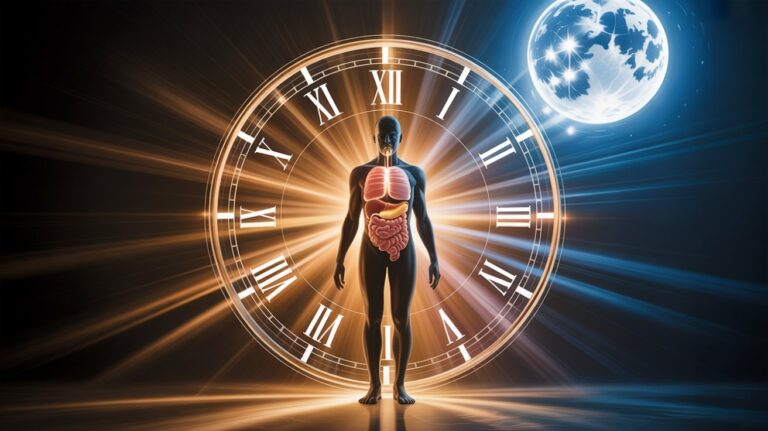
Sleep works in cycles that repeat every ninety minutes. Each cycle includes light sleep deep sleep and REM sleep. Deep sleep repairs the body while REM sleep restores the brain emotions and creativity. Interrupting these cycles reduces healing benefits.
Imagine sleep like a hospital shift. Light sleep checks you in deep sleep performs surgery and REM handles rehabilitation. Skipping stages means incomplete treatment. This is why fragmented sleep feels unrefreshing even if total hours seem adequate.
Recent Insights About Sleep
Recent wearable data from millions of users shows a rising trend of social jet lag which means sleeping late on weekends to compensate for weekday sleep loss. This disrupts circadian rhythm similar to frequent time zone travel. Another emerging insight is sleep regularity. Research now shows that consistent bedtimes predict health outcomes better than total sleep hours alone.
There is also growing evidence linking sleep quality to gut health. Poor sleep alters gut bacteria which affects immunity mood and metabolism. Sleep is now recognized as a foundational pillar alongside nutrition and exercise rather than a secondary habit.
Sleep Is Medicine You Can Prescribe Yourself
Sleep is medicine you already own but must protect. Creating a dark quiet cool sleeping environment signals safety to the nervous system. Reducing screen exposure before bed allows melatonin to rise naturally. Consistent routines train the body to expect rest.
Think of sleep as a daily appointment with your future health. Skipping it does not show immediate consequences but the cost accumulates. Prioritizing sleep is not laziness. It is preventive care.
Read more: Shocking Truth: 12 Common Food Preservatives Which Increased Risk of Cancer
Reclaim Your Strongest Medicine
Sleep is medicine because it heals in ways nothing else can. It repairs what stress breaks balances what chaos disrupts and restores what effort drains. In a world obsessed with quick fixes sleep remains the most powerful underrated and accessible form of healing.
If you want better focus stronger immunity emotional balance and long-term health start where real healing begins. Tonight. Treat sleep like the medicine it is. Share this insight with someone who needs it and take one small step today toward better rest.
Frequently Asked Questions (FAQs)
Sleep is called medicine because it triggers natural healing processes in the brain body and immune system. During sleep hormones rebalance inflammation reduces and cells repair damage making it essential for disease prevention and recovery.
For most adults seven to nine hours of consistent quality sleep acts as effective medicine. This range helps brain function hormonal balance immunity and cardiovascular health.
Sleep cannot replace prescribed medication but it enhances treatment effectiveness and reduces disease risk. Many conditions improve significantly with better sleep quality.
Deep sleep is critical for physical repair but total sleep ensures complete cycles including REM. Both quality and duration matter for sleep to work as medicine.
Ignoring sleep increases the risk of heart disease diabetes depression weakened immunity and cognitive decline. Sleep debt accumulates and damages health silently over time.