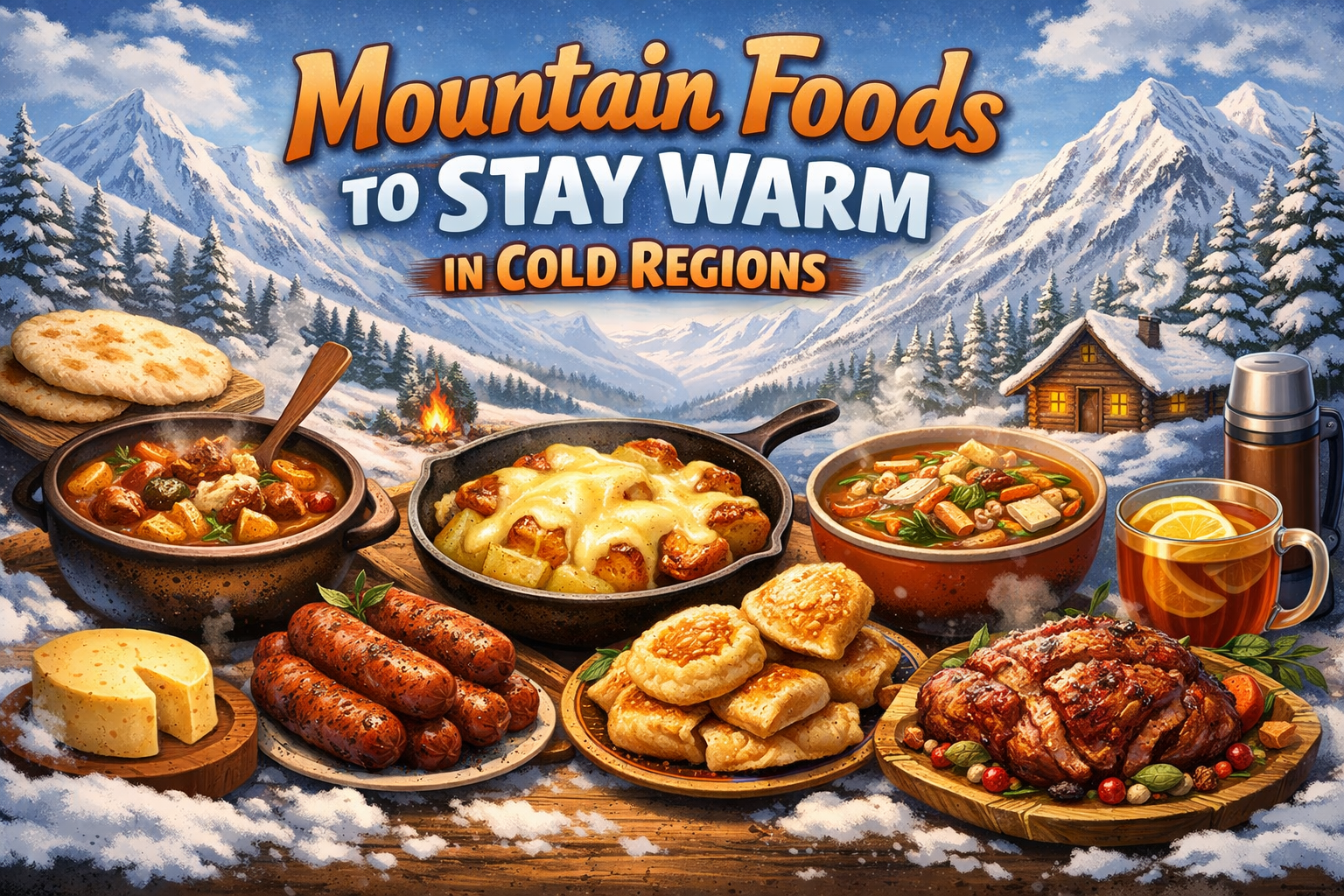

Visiting the mountains is a magical experience. Snow covered peaks, crisp fresh air and peaceful surroundings create unforgettable memories. However, cold temperatures and high altitudes demand special attention to what you eat. In mountain regions, food is not just about taste; it plays a vital role in keeping your body warm, energized and protected from harsh weather. Traditional mountain foods are designed by nature and culture to help survival, warmth and strength. Here we explore the top 10 mountain foods that help keep your body warm while traveling or living in cold mountainous areas.
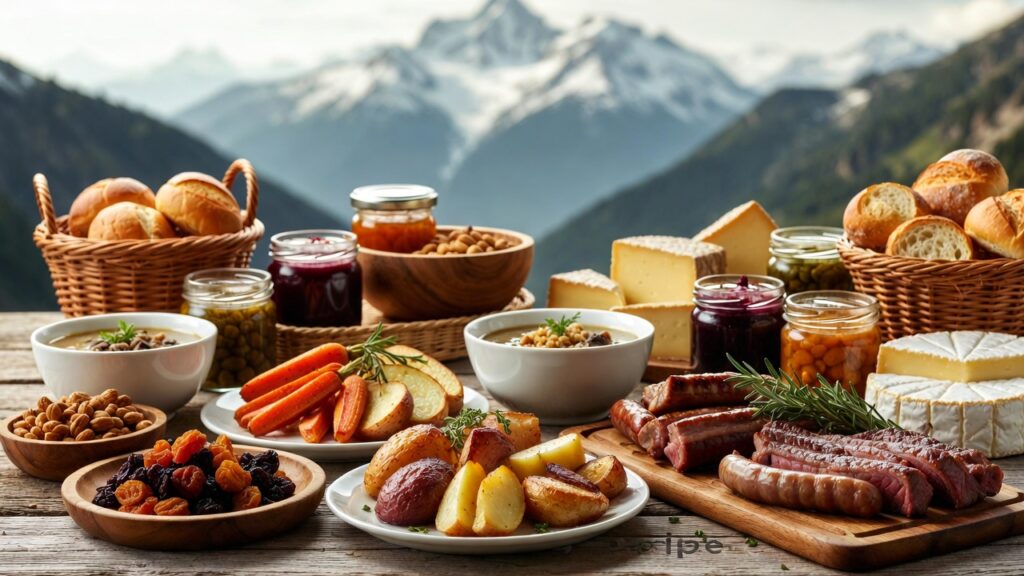
Table of Contents
❄️ What Are Mountain Foods?
Mountain foods are traditional and natural food items commonly consumed in high altitude and cold regions. These foods are usually rich in healthy fats, proteins, complex carbohydrates and warming spices. They help generate body heat, improve blood circulation and provide long lasting energy. Mountain foods are often locally sourced, seasonal and cooked in ways that preserve warmth and nutrition, making them ideal for cold climates.
🧾 Overview of Mountain Foods
| Food Name | Region Commonly Found | Main Benefit | Best Time to Consume |
|---|---|---|---|
| Thukpa | Himalayas | Body warmth & energy | Dinner |
| Yak Butter Tea | Tibet & Ladakh | Heat generation | Morning |
| Pahadi Rajma | Uttarakhand | Protein & warmth | Lunch |
| Gundruk Soup | Nepal | Digestion & warmth | Evening |
| Makki Ki Roti | North India | Sustained energy | Lunch |
| Momo | Himalayan Belt | Comfort & calories | Evening |
| Siddu | Himachal Pradesh | Body heat & nutrition | Breakfast |
| Tsampa | Tibet | Long-lasting energy | Morning |
| Meat Stews | Cold Regions | Muscle warmth | Dinner |
| Dry Fruits Mix | Mountain Areas | Instant heat | Anytime |
🍜 Thukpa – The Ultimate Mountain Comfort Food
Thukpa is a traditional noodle soup popular in Himalayan regions like Sikkim, Ladakh and Nepal. This warm, soupy dish is loaded with vegetables, meat, and aromatic spices that instantly raise body temperature. The hot broth helps fight cold winds and altitude fatigue. Thukpa is easy to digest, nourishing, and extremely comforting after a long day in freezing weather. Its balanced nutrients make it one of the best foods for mountain travelers.
☕ Yak Butter Tea – Natural Heater for the Body
Yak butter tea is a traditional beverage from Tibet and Ladakh, prepared using tea leaves, yak butter, and salt. It may taste unusual to first-time drinkers, but its warming effect is powerful. The healthy fats in yak butter provide insulation against cold temperatures and help prevent dehydration. Locals drink it daily to maintain body heat and energy levels in extreme cold conditions.
🫘 Pahadi Rajma – Protein Rich Mountain Staple
Pahadi rajma is different from regular kidney beans. Grown in cold mountain soil, it is smaller, darker, and richer in flavor. This dish is cooked slowly with local spices and served hot, making it ideal for warmth. Rich in protein and fiber, pahadi rajma keeps the body energized and improves digestion in cold climates.
🥬 Gundruk Soup – Fermented Warmth from Nepal
Gundruk is a fermented leafy green commonly used in Nepalese mountain cuisine. When cooked into a soup, it becomes a warming, probiotic rich dish. Fermentation enhances digestion and boosts immunity, which is crucial in cold regions. Gundruk soup is light yet warming, making it perfect for chilly evenings.
🌽 Makki Ki Roti – Winter Fuel from the Hills
Makki ki roti, made from maize flour, is a winter staple in mountainous North India. It is dense, filling and slow to digest, which helps maintain body warmth for longer periods. Often served hot with ghee or local vegetables, it provides sustained energy during cold days.
🥟 Momos – Warm Bites of Happiness
Momos are steamed dumplings filled with vegetables or meat, popular across Himalayan regions. Served hot with spicy chutney, momos are easy to eat, comforting and calorie rich. Steaming preserves nutrition while providing warmth, making them ideal snacks during cold mountain evenings.
🍞 Siddu – Traditional Himachali Energy Food
Siddu is a steamed bread from Himachal Pradesh made using wheat flour and yeast. It is usually eaten with ghee or dal, which adds warmth and nutrition. The fermentation process improves digestion and makes siddu a powerful energy source during cold mornings.
🌾 Tsampa – The Mountain Power Food
Tsampa is roasted barley flour consumed in Tibet and high altitude regions. Mixed with butter tea or warm water, it provides instant energy and warmth. Tsampa is easy to carry, making it perfect for trekkers. Its slow release carbohydrates help maintain body heat throughout the day.
🍖 Meat Stews – Natural Heat Generators
In cold mountain regions, meat stews made from mutton, yak or chicken are common. Slow cooked with local herbs, these stews are rich in protein and fats that help generate internal heat. They strengthen muscles and support endurance in freezing conditions.
🥜 Dry Fruits Mix – Small but Powerful Warmth
Dry fruits like almonds, walnuts, raisins and apricots are widely consumed in mountain areas. They provide instant warmth, healthy fats, and essential minerals. A small handful can boost energy and protect against cold-related fatigue, making them perfect for travel snacks.
🏔️ Why Mountain Foods Are Important in Cold Regions
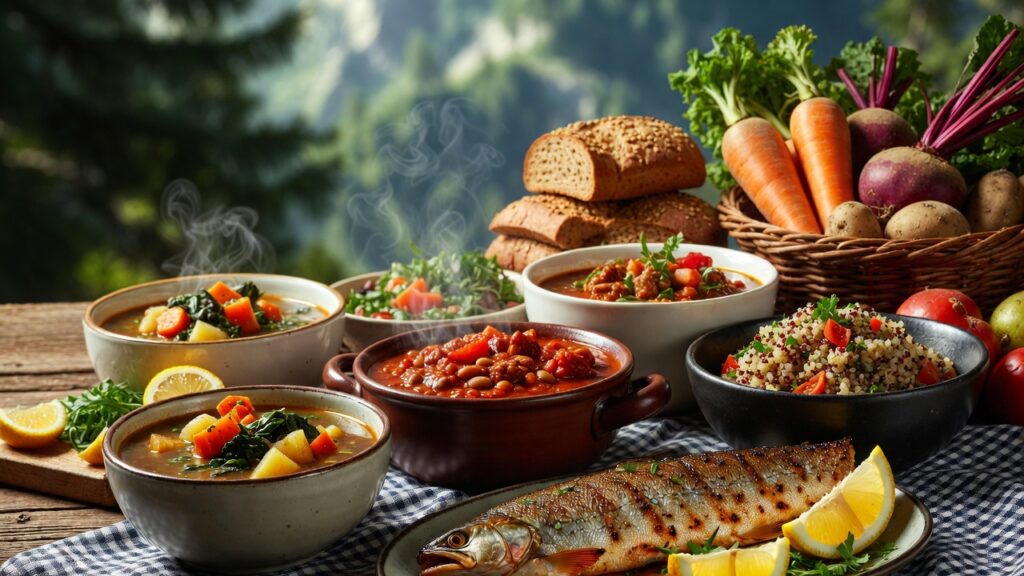
Mountain foods are designed by tradition and environment to help survival in cold climates. They help regulate body temperature, improve blood circulation and provide mental comfort. Eating the right foods reduces the risk of hypothermia, fatigue and altitude sickness. These foods are not only nutritious but also deeply connected to local culture and lifestyle.
🌈 Conclusion
Mountain food is more than nourishment; it is warmth, protection and tradition combined. When visiting cold mountainous regions, choosing the right foods can make your journey comfortable, safe and enjoyable. From hot soups and fermented dishes to energy rich grains and healthy fats, mountain foods are perfectly crafted to keep you warm from the inside out. Embracing these traditional foods allows you to experience the mountains not just visually, but physically and culturally as well.
❓ Frequently Asked Questions (FAQs)
Mountain foods are rich in fats, proteins and complex carbohydrates that help generate internal heat. These nutrients slow digestion and increase metabolism, which keeps the body warm for longer periods in cold climates.
Yes, most mountain foods are safe and beneficial for tourists. They help with altitude adjustment, improve energy levels and protect against cold weather. It is advisable to start with mild dishes if you are not used to spicy or fermented foods.
Absolutely. Foods like thukpa, tsampa, makki ki roti, gundruk soup and dry fruits are excellent vegetarian options that provide warmth and nutrition in cold regions.
Yes, many mountain foods helps digestion, hydration and energy, which indirectly help reduce altitude sickness symptoms. Warm foods and fluids improve oxygen circulation and comfort at high altitudes.