
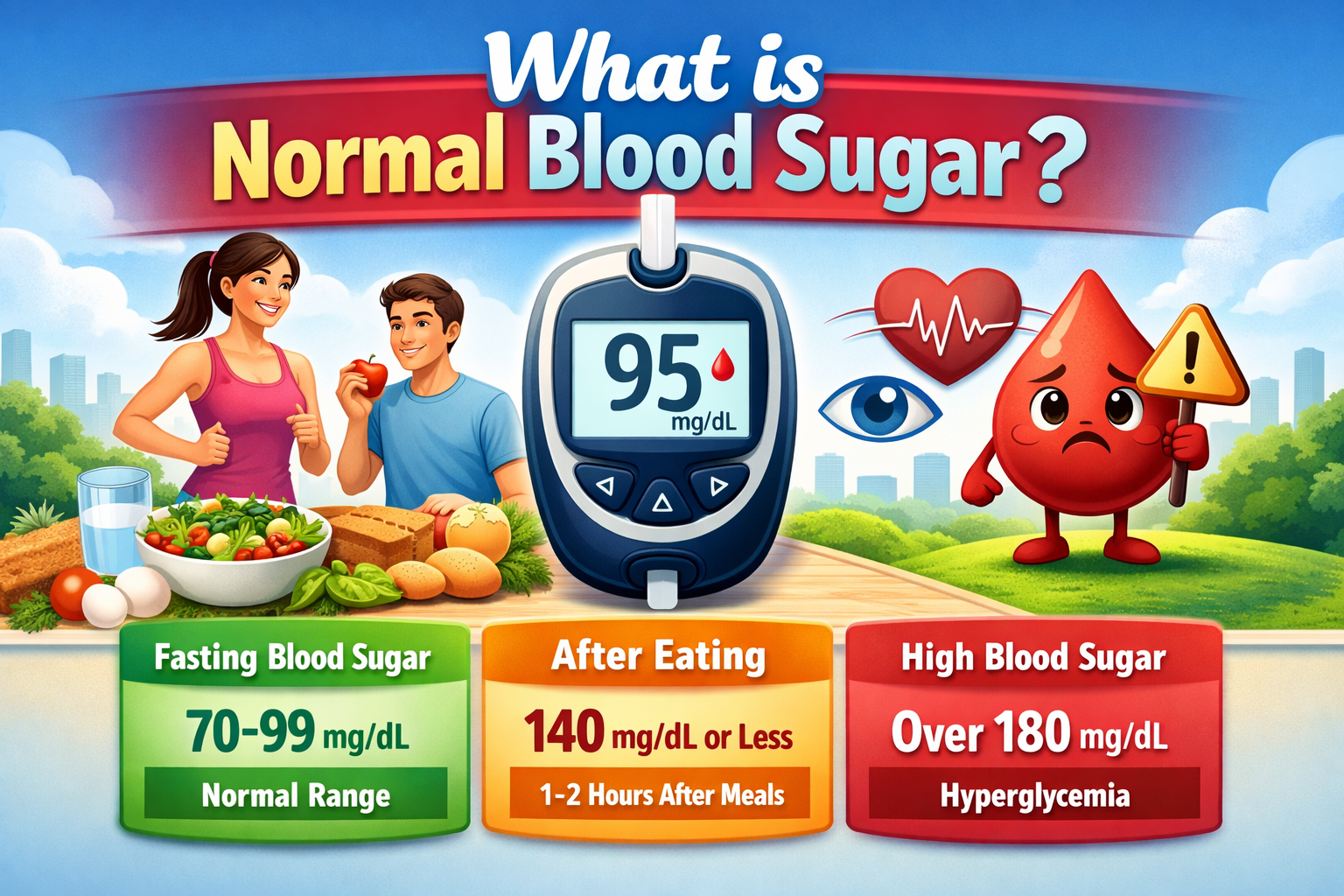

Blood sugar, also known as blood glucose is one of the most important indicators of overall health, yet many people are unsure about what level is actually considered normal. Understanding what is normal blood sugar helps you take early control of your well being and prevent long term health problems such as diabetes, heart disease and nerve damage. Blood sugar levels affect how energetic you feel, how well your brain works and how efficiently your body performs daily activities.
Every time you eat, your body breaks down food into glucose, which enters the bloodstream and provides energy. The hormone insulin helps regulate this process by allowing glucose to move into the cells. When this balance works properly, blood sugar stays within a healthy range. When it does not, sugar levels can rise too high or fall too low, causing noticeable symptoms and silent damage over time.
Normal blood sugar levels vary depending on factors such as age, time of testing, and whether you have eaten. Knowing these ranges is essential not only for people with diabetes but also for those who want to maintain a healthy lifestyle.
Table of Contents
🧠 What Is Blood Sugar and Why Is It Important?
Blood sugar refers to the amount of glucose present in your blood. Glucose comes mainly from the food you eat, especially carbohydrates like rice, bread, fruits and sweets. Your body uses glucose as its main source of energy to power the brain, muscles and organs. Insulin, a hormone produced by the pancreas, helps move glucose from the blood into the cells. When this process works well, blood sugar remains in the normal range. When it does not, blood sugar can become too high or too low, leading to health problems such as diabetes, fatigue, dizziness or even life threatening emergencies.
❗Causes of Increase Sugar Levels in Blood
- 🍽️ Unhealthy Dietary Habits
- Excess intake of refined carbohydrates such as white rice, white bread, sweets and sugary beverages
- Frequent consumption of processed foods high in added sugar and unhealthy fats
- Overeating or irregular meal timings that overload glucose into the bloodstream
- 🧬 Insulin Resistance or Low Insulin Production
- Body cells do not respond properly to insulin, causing glucose to remain in the blood
- Pancreas may not produce enough insulin, commonly seen in type 2 diabetes
- Genetic predisposition increasing the risk of poor insulin function
- 🚶 Lack of Physical Activity
- Sedentary lifestyle reduces glucose usage by muscles
- Long sitting hours slow down metabolism and insulin sensitivity
- Minimal exercise leads to gradual and persistent blood sugar rise
- 😟 Stress and Mental Pressure
- Stress hormones like cortisol increase glucose release into the blood
- Chronic anxiety and emotional stress disrupt hormonal balance
- Poor stress management directly impacts sugar control
- 😴 Poor Sleep Patterns
- Lack of quality sleep affects insulin efficiency
- Irregular sleep schedules disturb glucose metabolism
- Night-time wakefulness increases sugar fluctuations
- 💊 Medications and Health Conditions
- Steroids, hormonal medicines and some blood pressure drugs raise sugar levels
- Infections, fever and hormonal disorders can temporarily increase blood glucose
- Obesity and metabolic syndrome significantly contribute to high blood sugar
Understanding these causes helps in early prevention and better blood sugar management.
📊 What Is Considered Normal Blood Sugar?
Normal blood sugar levels depend on several factors such as age, time of testing, food intake, and overall health. Doctors usually measure blood sugar in milligrams per deciliter (mg/dL).
Normal Blood Sugar Levels Chart
| Test Type | Normal Blood Sugar Level |
|---|---|
| Fasting blood sugar | 70 to 99 mg/dL |
| After meals (2 hours) | Below 140 mg/dL |
| Random blood sugar | 70 to 140 mg/dL |
| HbA1c (3-month average) | Below 5.7% |
These values are considered healthy for people without diabetes.
⏰ Normal Blood Sugar Levels at Different Times of the Day
Blood sugar naturally rises and falls throughout the day. In the morning, after eating, during physical activity, and while sleeping, levels change constantly. Fasting blood sugar is measured after not eating for at least eight hours. This test gives a clear idea of how your body manages sugar without food influence. After meals, blood sugar rises but should return to normal within two hours. Random blood sugar tests can be taken anytime and help detect unusual fluctuations.
| Time of the Day | Blood Sugar Test Type | Normal Blood Sugar Level (mg/dL) |
|---|---|---|
| Early Morning (Fasting) | After 8–10 hours without food | 70 to 99 |
| Before Breakfast | Pre meal blood sugar | 70 to 100 |
| 1 Hour After Eating | Post meal blood sugar | Below 180 |
| 2 Hours After Eating | Post meal blood sugar | Below 140 |
| Before Lunch | Pre meal blood sugar | 70 to 100 |
| Before Dinner | Pre meal blood sugar | 70 to 100 |
| At Bedtime | Bedtime blood sugar | 100 to 140 |
| Random Time (Anytime) | Random blood sugar test | 70 to 140 |
👶 Normal Blood Sugar Levels by Age
Age plays an important role in determining normal blood sugar levels. Children, adults and seniors may have slightly different healthy ranges.
💹 Age Wise Blood Sugar Chart
| Age Group | Normal Fasting Level | After Meal Level |
|---|---|---|
| Children | 70 to 100 mg/dL | Below 140 mg/dL |
| Adults | 70 to 99 mg/dL | Below 140 mg/dL |
| Seniors | 70 to 110 mg/dL | Below 160 mg/dL |
Older adults may have slightly higher acceptable levels due to reduced insulin sensitivity.
🧪 Understanding HbA1c and Normal Levels
HbA1c is a blood test that shows your average blood sugar levels over the past two to three months. It is one of the most reliable indicators of long-term blood sugar control. An HbA1c level below 5.7 percent is considered normal. Levels between 5.7 and 6.4 percent indicate prediabetes. A value of 6.5 percent or higher usually confirms diabetes. This test is especially useful because it is not affected by daily fluctuations.
⚠️ What Happens If Blood Sugar Is Not Normal?
When blood sugar is consistently above or below the normal range, it can lead to serious health issues. High blood sugar, also known as hyperglycemia, may cause frequent urination, excessive thirst, fatigue, blurred vision and slow wound healing. Over time, it increases the risk of heart disease, kidney damage, nerve problems, and vision loss. Low blood sugar, called hypoglycemia, can cause sweating, shakiness, confusion, dizziness and fainting. Severe cases may result in seizures or unconsciousness. Maintaining normal blood sugar is essential for long term health and quality of life.
🥗 How Food Affects Normal Blood Sugar Levels
Food has a direct impact on blood sugar. Carbohydrate-rich foods raise blood glucose more quickly than proteins or fats. Highly processed foods and sugary drinks cause sudden spikes, while fiber rich foods help maintain steady levels. Eating balanced meals with whole grains, vegetables, fruits, lean protein, and healthy fats helps keep blood sugar within the normal range. Eating at regular times also prevents sudden drops or spikes.
🚶 Lifestyle Habits That Help Maintain Normal Blood Sugar
Healthy lifestyle habits play a major role in keeping blood sugar normal. Regular physical activity helps the body use insulin better. Even daily walking can make a noticeable difference. Adequate sleep, stress management and staying hydrated also helps stable blood sugar levels. Chronic stress and lack of sleep can cause hormonal changes that raise blood glucose. Routine blood sugar monitoring helps detect problems early and allows timely action.
🧑⚕️ Who Should Monitor Blood Sugar Regularly?
People with diabetes, prediabetes, a family history of diabetes, obesity or sedentary lifestyle should monitor their blood sugar more often. Pregnant women are also advised to monitor due to the risk of gestational diabetes. However, even healthy individuals benefit from occasional testing to understand their baseline and prevent future complications.
📌 When to See a Doctor About Blood Sugar Levels
If your blood sugar readings are consistently outside the normal range, it is important to consult a healthcare professional. Early diagnosis and proper management can prevent complications and improve outcomes. Symptoms such as frequent urination, unexplained weight loss, constant fatigue or dizziness should never be ignored.
🚀 Strong Call to Action
Knowing what is normal blood sugar empowers you to take control of your health before problems begin. Small daily habits make a big difference in keeping your blood sugar balanced and your body strong. Start today by checking your blood sugar, improving your diet, moving your body and prioritizing your health. Share this guide with your family and loved ones so everyone can stay informed, aware, and healthy. Your future health starts with awareness today.
❓ Frequently Asked Questions (FAQs) About Normal Blood Sugar
A normal blood sugar level for a healthy person is between 70 and 99 mg/dL when fasting and below 140 mg/dL two hours after eating. These values indicate that the body is properly managing glucose with the help of insulin. Maintaining these levels reduces the risk of diabetes and other health complications. Regular monitoring and a balanced lifestyle help keep blood sugar within this healthy range.
A fasting blood sugar level of 110 mg/dL is slightly above the normal range. It may indicate early insulin resistance or prediabetes, especially if readings are consistent. After meals, 110 mg/dL is generally considered normal. It is important to evaluate when the test was taken and consult a doctor for further testing such as HbA1c to understand long-term blood sugar control.
Normal blood sugar after eating should be below 140 mg/dL when measured two hours after a meal. Right after eating, levels may rise temporarily but should return to normal within two hours. If post meal readings consistently exceed 140 mg/dL, it may indicate impaired glucose tolerance or diabetes and medical advice should be sought.
Yes, normal blood sugar levels can change slightly with age. Older adults may have slightly higher acceptable ranges due to reduced insulin sensitivity and metabolic changes. However, consistently high levels are not normal at any age. Maintaining healthy habits, regular check-ups and monitoring help ensure blood sugar stays within a safe and healthy range throughout life.
Maintaining normal blood sugar naturally involves eating balanced meals, exercising regularly, managing stress, sleeping well, and staying hydrated. Choosing whole foods over processed foods and avoiding excessive sugar intake are key. Regular health check-ups and monitoring blood sugar levels help detect changes early, allowing timely lifestyle adjustments to maintain long time health.