
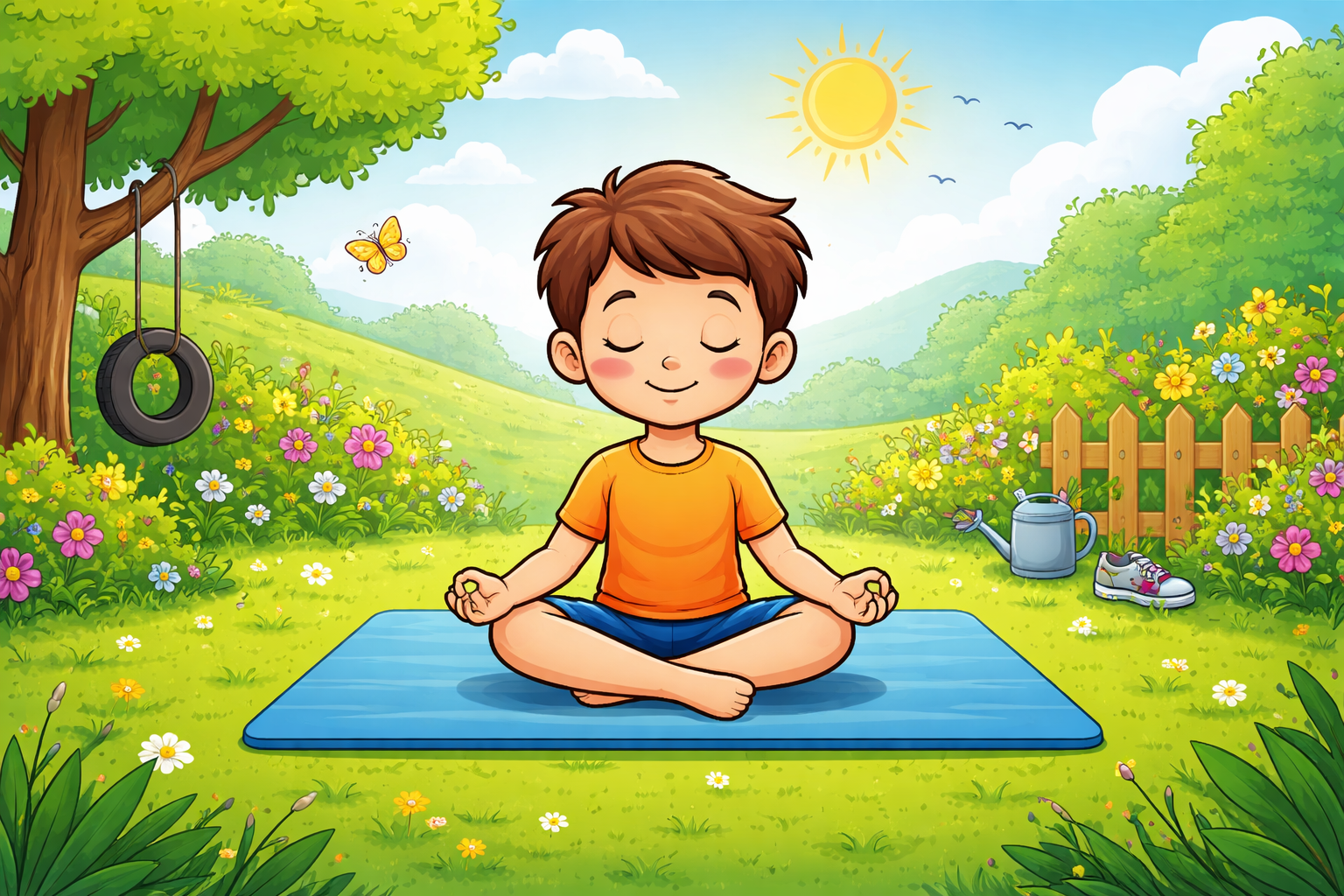

Yoga is not just exercise; it is a way of life that connects the body, mind and soul. Originating in ancient India thousands of years ago, Yoga focuses on harmony within ourselves and with the world around us. In today’s busy and stressful lifestyle Yoga has become more important than ever for maintaining physical fitness, mental peace and emotional balance. The word “Yoga” comes from the Sanskrit word Yuj, which means to unite or join. This union represents the balance between body, breath and mind. Yoga is suitable for everyone, whether you are young, old, fit or just starting your wellness journey. It does not require expensive equipment or special places, only dedication and consistency.
Table of Contents
🔍 What is Yoga?
Yoga is an ancient practice that began in India and focuses on uniting the body, mind and soul. The word “Yoga” comes from the Sanskrit term Yuj, meaning to join or connect. Yoga includes physical postures, breathing techniques and meditation that help improve flexibility, strength and mental calmness. It is not only a form of exercise but also a way of living that promotes self awareness and inner balance. Yoga can be practiced by people of all ages and fitness levels, making it a simple and natural method to maintain overall health.
🔗 Importance of Yoga
Yoga is important because it helps both physical and mental health in a natural way. Regular Yoga practice improves body strength, flexibility, posture and immunity. It helps reduce stress, anxiety and mental fatigue by calming the nervous system. Yoga also improves concentration, emotional control and self confidence. In today’s busy life, Yoga teaches mindfulness, deep breathing and relaxation which are essential for mental peace. It encourages healthy lifestyle habits and inner discipline. Practicing Yoga daily helps maintain balance in life, promotes long time wellness and improves quality of living for all age groups.
📜 History and Origin of Yoga
Yoga has a rich history that dates back over 5,000 years. It was first mentioned in ancient Indian scriptures called the Vedas. Later, Yoga philosophy was developed in texts like the Upanishads and the Bhagavad Gita. Sage Patanjali organized Yoga into a structured system through the Yoga Sutras which are still followed today. Initially Yoga was practiced mainly for spiritual growth and self realization. Over time, physical postures and breathing techniques were added to helps the body and mind. Today Yoga is practiced worldwide not only for spiritual reasons but also for health, stress relief and overall body and mind wellness.
🌸 Why Yoga is Important in Modern Life
Modern life brings stress, long working hours, unhealthy food habits and lack of physical movement. Yoga helps counter these problems naturally. Regular practice improves posture, strengthens muscles, increase flexibility and helps in mental clarity. Yoga teaches us how to slow down, breathe deeply and live in the present moment. This awareness helps reduce anxiety, improve sleep quality and boost self confidence. Unlike intense workouts, Yoga is gentle yet powerful making it suitable for all age groups.
🧠 Physical and Mental Benefits of Yoga
Yoga offers a wide range of benefits that helps both physical and mental health. It helps improve blood circulation, digestion, immunity and respiratory health. Regular Yoga practice also supports weight management and joint health. Mentally, Yoga helps calm the nervous system. It reduces stress hormones and improves focus and memory. People who practice Yoga regularly often experience better emotional control, positive thinking and inner peace. Yoga also helps people dealing with lifestyle disorders like diabetes, high blood pressure and back pain.
🧘♂️ Types of Yoga and Their Purpose
Different types of Yoga are designed to meet different needs. Some focus on physical strength, while others emphasize relaxation or spiritual growth. Understanding these types helps you choose the right Yoga style for your lifestyle and goals.
| Type of Yoga | Main Focus | Suitable For |
|---|---|---|
| Hatha Yoga | Basic postures and breathing | Beginners and seniors |
| Vinyasa Yoga | Flowing movements with breath | Fitness and flexibility |
| Ashtanga Yoga | Structured and intense practice | Physically active people |
| Kundalini Yoga | Energy awakening and meditation | Mental clarity and awareness |
| Yin Yoga | Deep stretching and relaxation | Stress relief and joint health |
| Power Yoga | Strength and stamina | Weight management |
1️⃣ Hatha Yoga: Building the Foundation
Hatha Yoga is the starting point for most people. It focuses on basic body postures and breathing techniques. The purpose is to prepare the body and mind for Yoga by improving flexibility, balance and awareness. It is ideal for beginners and all age groups.
2️⃣ Vinyasa Yoga: Creating Flow and Flexibility
Vinyasa Yoga connects movement with breath in a smooth flow. The purpose is to improve flexibility, coordination and stamina. It also helps release stress and keeps the body active through continuous movement.
3️⃣ Iyengar Yoga: Correcting Body Alignment
Iyengar Yoga focuses on precise posture alignment using support like blocks or straps. Its purpose is to improve posture, body balance and muscle strength. This type is helpful for people with injuries or posture related problems.
4️⃣ Ashtanga Yoga: Building Strength and Discipline
Ashtanga Yoga follows a fixed sequence of postures. The purpose is to build physical strength, endurance and mental discipline. It suits people who prefer structured and challenging practice.
5️⃣ Power Yoga: Increasing Fitness and Energy
Power Yoga is a modern and intense form of Yoga. Its purpose is to increase stamina, burn calories and improve overall fitness. It is suitable for those looking for a dynamic workout.
6️⃣ Yin Yoga: Deep Relaxation and Joint Health
Yin Yoga involves holding gentle poses for longer periods. The purpose is to stretch deep connective tissues and improve joint mobility. It is excellent for relaxation and stress relief.
7️⃣ Kundalini Yoga: Awakening Inner Energy
Kundalini Yoga combines breathing, chanting and meditation. The purpose is to awaken inner energy and improve mental clarity. It helps reduce anxiety and helps emotional balance.
8️⃣ Raja Yoga: Mastering the Mind
Raja Yoga focuses mainly on meditation and mental control. Its purpose is to achieve inner peace, self discipline and spiritual growth. It is ideal for those seeking mindfulness and self awareness.
9️⃣ Restorative Yoga: Healing and Recovery
Restorative Yoga uses slow and helps poses. The purpose is to deeply relax the body and nervous system. It helps in recovery from stress, illness or fatigue.
🔟 Meditation Based Yoga: Achieving Inner Peace
This final step emphasizes stillness and awareness. The purpose is to calm the mind, improve focus and connect with inner self. It completes the Yoga journey by balancing body, mind and soul.
🌬️ Role of Breathing and Meditation in Yoga
Breathing, known as Pranayama, is a core part of Yoga. Proper breathing techniques increase oxygen supply, improve lung capacity and calm the mind. Controlled breathing helps regulate emotions and improves concentration. Meditation is another essential element of Yoga. It trains the mind to stay focused and peaceful. Regular meditation helps reduce overthinking, improves emotional stability and enhances self-awareness. Together, breathing and meditation make Yoga a complete mind-body practice.
🌞 Yoga for Different Age Groups
Yoga is unique because it adapts to every stage of life. Children benefit from Yoga by developing flexibility, focus and discipline. It also improves memory and emotional balance. Adults use Yoga to manage stress, improve fitness and maintain work life balance. For older adults, Yoga helps maintain joint mobility, balance and overall vitality. Gentle Yoga practices helps healthy aging and reduce the risk of injuries.
🏡 How to Start Yoga at Home
Starting Yoga at home is simple and affordable. Choose a quiet and clean space where you feel comfortable. Wear loose and comfortable clothing. Begin with basic postures and focus on correct breathing. Consistency is more important than duration. Practicing Yoga for even 20 to 30 minutes daily can bring noticeable changes. Listening to your body and progressing slowly helps avoid injuries and builds confidence over time.
✏️ How to Start Yoga at Home
• Choose a quiet, clean and well ventilated place in your home where you feel calm and comfortable
• Wear loose, soft and comfortable clothes that allow free movement of your body
• Practice Yoga on an empty stomach, preferably early morning or at least four hours after meals
• Start with a short warm up to loosen your neck, shoulders, back and legs
• Begin with simple Yoga postures that match your flexibility and strength level
• Focus on slow and deep breathing while doing each posture
• Do not rush or force your body into difficult poses
• Practice basic breathing exercises to calm your mind and improve lung capacity
• End your session with relaxation or short meditation to release body tension
• Practice Yoga daily for 20 to 30 minutes for best results
• Listen to your body and stop if you feel pain or discomfort
• Maintain consistency rather than doing long sessions occasionally
• Drink water after your practice to keep your body hydrated
• Stay positive and patient as Yoga progress takes time
• Gradually increase time and difficulty as your body becomes more flexible and strong
🌿 Yoga and Lifestyle
Yoga is not limited to the mat. It encourages healthy eating, positive thinking and mindful living. A yogic lifestyle promotes balance in daily habits, including sleep, food and social interactions. By practicing Yoga regularly, people become more aware of their thoughts and actions. This awareness leads to healthier choices, better relationships and a more peaceful life. Yoga teaches us to live with simplicity, gratitude and inner strength.
🌍 Global Popularity of Yoga
Yoga has gained massive popularity across the world. Many countries celebrate International Yoga Day on June 21st, highlighting its universal value. Yoga studios, online classes and wellness retreats have made Yoga accessible to everyone. Despite its global reach, Yoga remains deeply connected to its Indian roots. Its principles of harmony, discipline and self care continue to inspire millions of people worldwide.
🌺 Conclusion
Yoga is a timeless gift that offers physical health, mental peace and emotional balance. It is simple yet powerful, ancient yet relevant. Whether practiced for fitness, relaxation or spiritual growth, Yoga enriches life in every way. By making Yoga a part of daily routine, anyone can experience positive transformation. It teaches us to breathe better, move mindfully and live fully. Yoga is not about perfection; it is about progress and selfvconnection.
❓ Frequently Asked Questions (FAQs) About Yoga
Yoga is a natural practice that helps connect the body, mind and breath. It improves physical health, mental peace and emotional balance through postures, breathing and meditation. Yoga is suitable for people of all ages and fitness levels.
Yes, beginners can easily practice Yoga at home. Starting with simple postures and basic breathing exercises is safe. Regular practice with proper guidance helps improve flexibility, strength and confidence without the need for special equipment.
Practicing Yoga for 20 to 30 minutes daily is enough to experience benefits. Consistency matters more than duration. Even short sessions improve energy, reduce stress and helps overall well being when practiced regularly.
No, Yoga is more than physical fitness. It also improves mental clarity, emotional stability and inner peace. Yoga supports overall wellness by balancing body, mind and lifestyle habits.
Yoga can be started at any age. Children, adults and seniors all benefit from Yoga. Practices can be modified according to age and physical condition, making Yoga safe and effective for everyone.